US Dollar - USD
- Turkish Lira - TRY
- US Dollar - USD
- Euro - EUR
- Pound sterling - GBP
- Russian Ruble - RUB
- Chinese Yuan - CNY
- Georgian lari - GEL
- Saudi Riyal - SAR
- UAE Dirham - AED
- Syrian Pound - SYP
Navigating global real estate markets in 2026 requires balancing capital preservation with strong cash flow and geopolitical diversification. Few destinations deliver that combination as consistently as Turkey. Positioned at the crossroads of Europe, Asia, and the Middle East, Turkey offers investors a rare blend of deep urban liquidity, sustained demographic demand, a massive tourism sector, and accessible legal pathways to residency and citizenship.
What separates profitable real estate investment in Turkey from speculative buying is disciplined asset selection. Over the past several years, the Turkish property market has matured significantly. Tighter regulatory oversight, standardized valuation requirements, and shifts in monetary policy have rewarded buyers who focus on fundamentals: location quality, rental yield, construction standards, and verified legal title.
In 2026, international buyers are no longer chasing generic off-plan promises. Instead, seasoned investors target transit-connected districts in Istanbul, high-occupancy coastal developments along the Mediterranean, and commercially vibrant neighborhoods in Ankara and Izmir. Understanding how macro trends, legal frameworks, and local micro-markets intersect is the key to unlocking superior risk-adjusted returns.
Before selecting a specific neighborhood or asset class, investors should understand the structural forces supporting Turkish property values and rental incomes in 2026:
Turkey is not a monolithic market. Rental yields, tenant profiles, capital appreciation timelines, and exit liquidity vary sharply from city to city—and even between adjacent districts. Below is an analysis of the strongest regions for 2026.
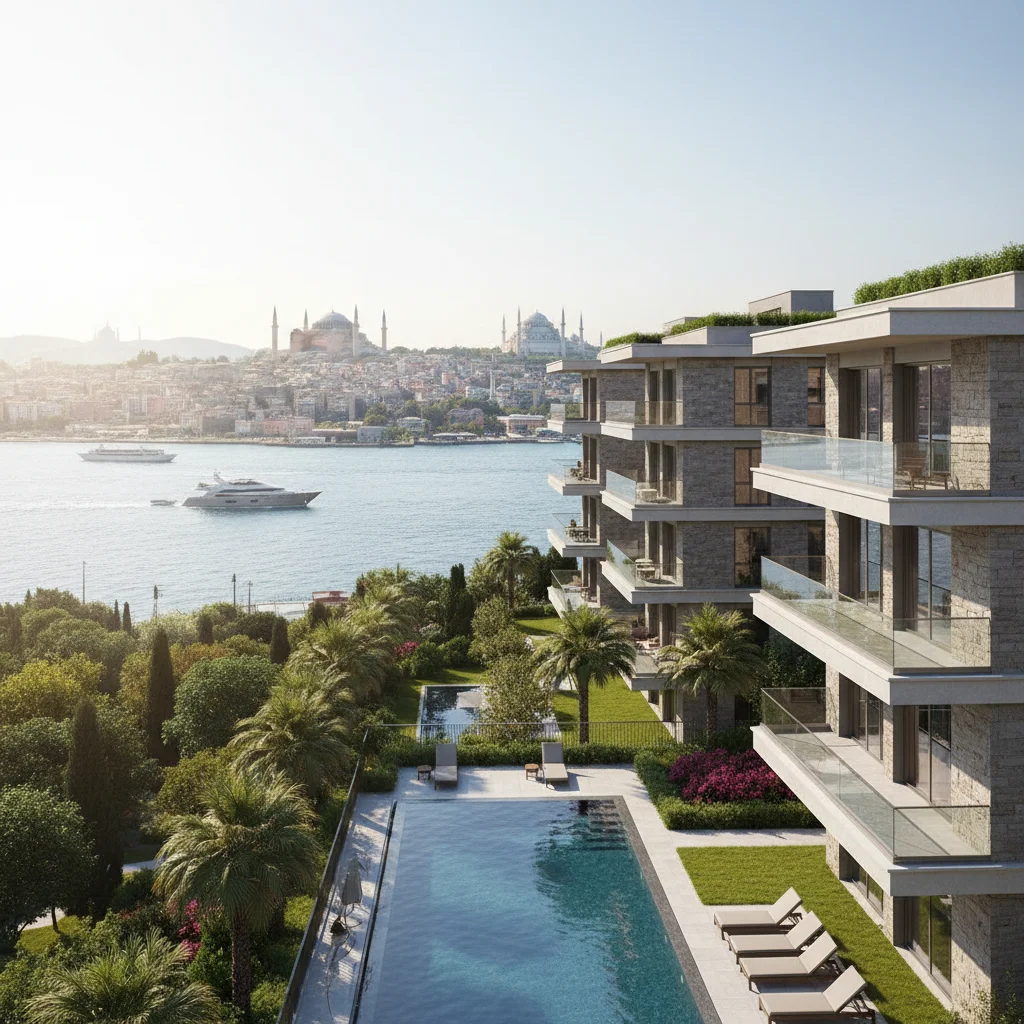
Accounting for roughly a fifth of Turkey's population and over a third of its economic output, Istanbul remains the anchor of the national property market. The city functions as multiple sub-markets rolled into one, offering everything from ultra-prime Bosphorus estates to high-yield transit-oriented apartments.
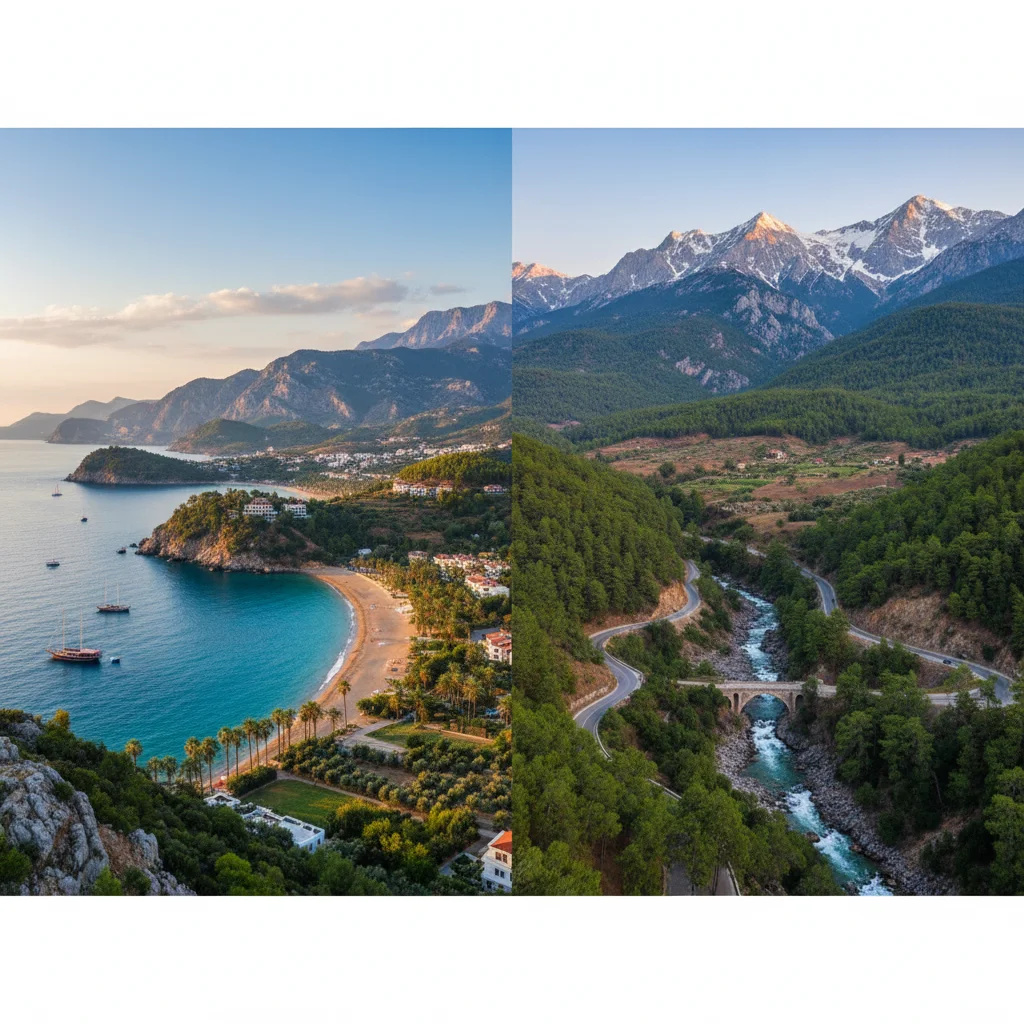
For investors prioritizing seasonal income and lifestyle utility, Turkey's Mediterranean coast stands unrivaled. Antalya serves both as an international tourism capital and an increasingly popular year-round relocation hub for remote professionals and retirees.
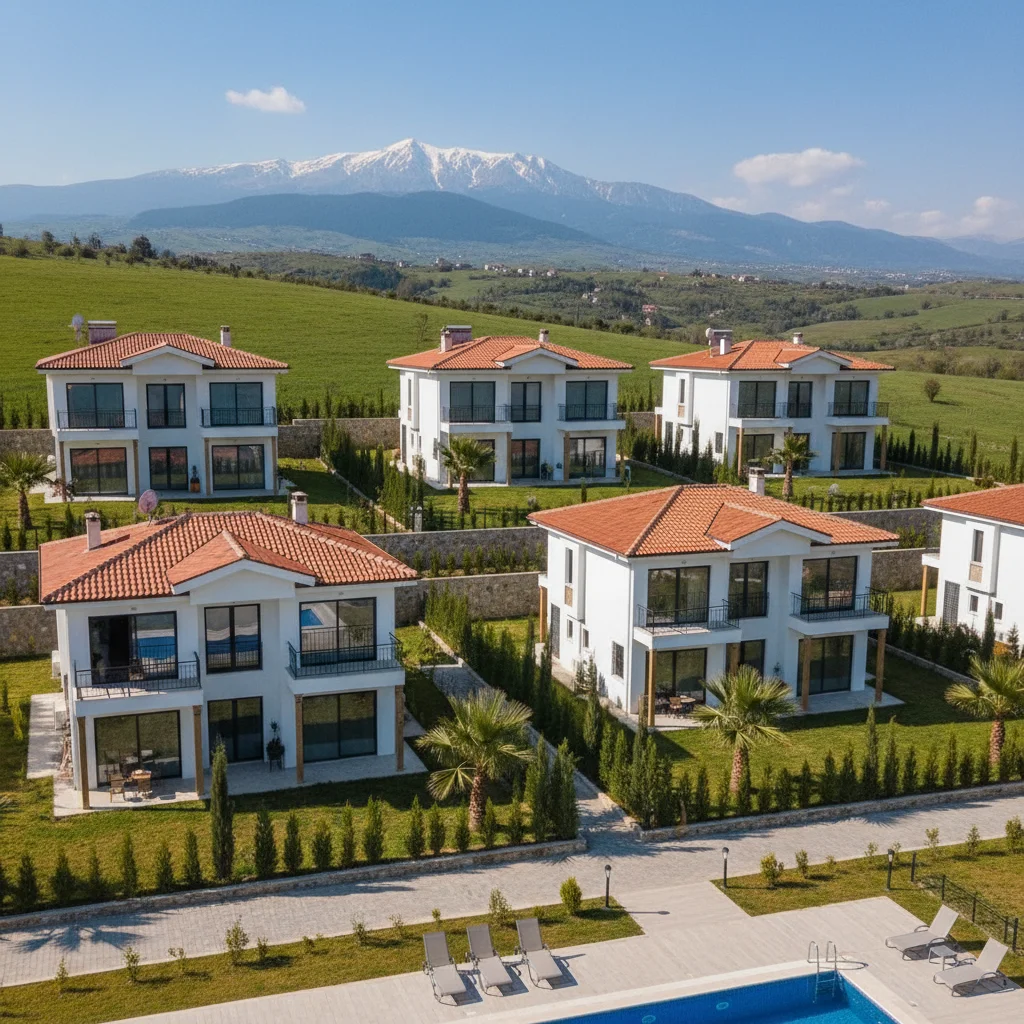
Neighborhoods like Konyaaltı and Lara offer established infrastructure, international schooling, and steady long-term expatriate demand. Further east, Alanya provides lower entry ticket prices per square meter paired with resort-style residential complexes featuring pools, spas, and fitness facilities that appeal strongly to European and Middle Eastern buyers.
Diversifying beyond Istanbul and Antalya often uncovers compelling value-add opportunities:
| City / Region | Primary Investment Strategy | Typical Gross Rental Yield | Appreciation Horizon | Dominant Tenant Profile |
|---|---|---|---|---|
| Istanbul (Central & Financial Belt) | Capital growth + stable corporate leasing | 5.0% – 7.0% | Medium to Long Term | Corporate executives, professionals, expats |
| Istanbul (Developing Metro Corridors) | Value appreciation + urban renewal | 6.0% – 8.0% | 3 – 5+ Years | Young families, domestic commuters |
| Antalya (Lara & Konyaaltı) | High-yield leasing + lifestyle asset | 6.5% – 8.5% | Medium Term | Expats, remote workers, seasonal visitors |
| Alanya | Affordable entry + resort rentals | 6.0% – 8.0% | Medium to Long Term | European retirees, holidaymakers |
| Ankara | Defensive cash flow + low vacancy | 6.5% – 8.5% | Steady / Long Term | Government staff, academics, students |
| Izmir | Long-term appreciation + coastal villas | 5.0% – 6.8% | Long Term | Domestic professionals, tech workers |
Looking for the best real estate investment opportunity in Istanbul?
We help you choose the right property based on your budget and goals
Get a Free Consultation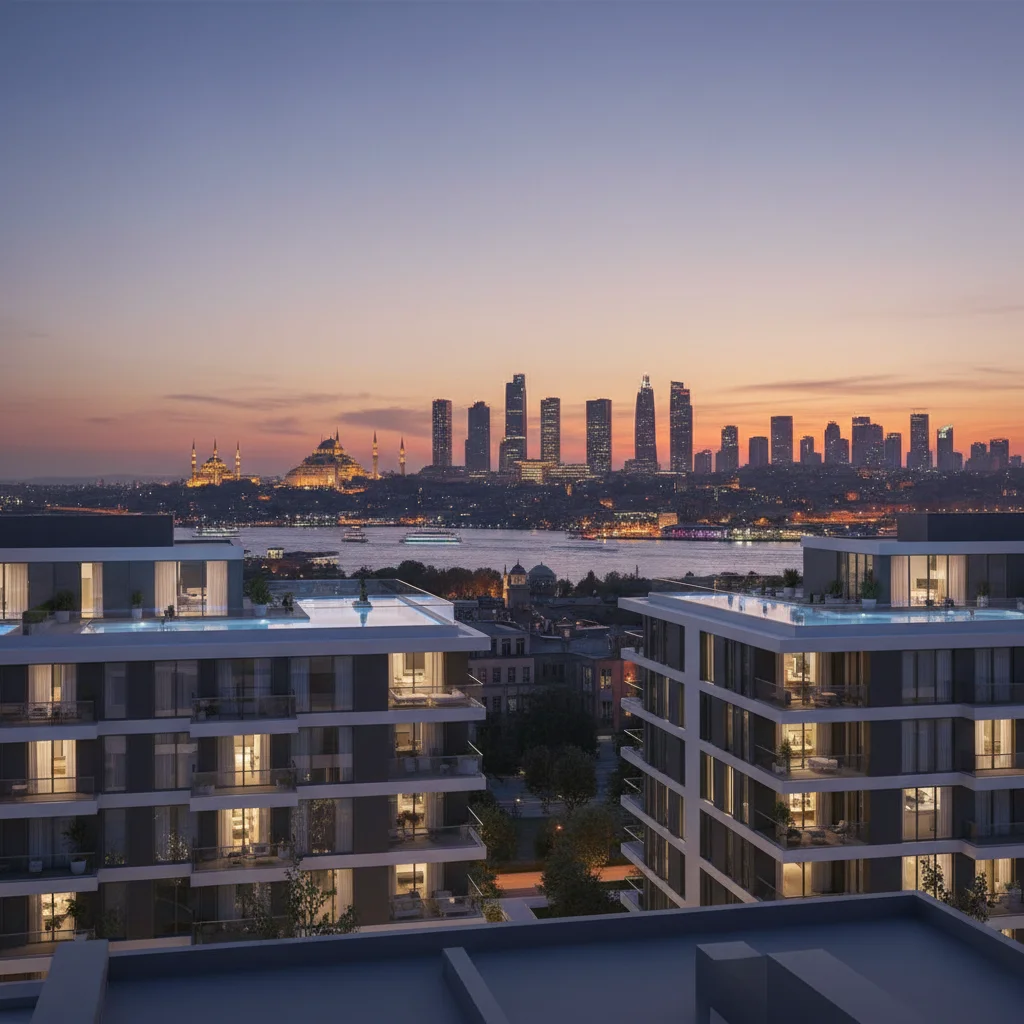
One of the most compelling differentiators of Turkish real estate is its direct integration with legal mobility programs. Foreign investors can align their property acquisitions with either full citizenship or renewable residency, depending on budget and strategic goals.
Turkey's Citizenship by Investment (CBI) program remains one of the fastest and most accessible sovereign programs globally. Under current regulations in 2026, foreign nationals who acquire real estate valued at a minimum of $400,000 USD qualify to apply for Turkish citizenship for themselves, their spouse, and dependent children under the age of 18.
For investors who do not wish to commit $400,000 or who simply want a flexible base in Turkey, the real estate residence permit provides a practical alternative. To qualify for a property-based short-term residence permit in 2026, the residential property must have an appraised and registered value of at least $200,000 USD across all provinces.
Crucially, investors pursuing residency must verify that the target neighborhood is not on the Directorate of Migration Management's list of closed districts—areas where foreign resident concentrations have reached the statutory cap. Properties purchased in open districts allow the owner and immediate family members to obtain renewable residence permits as long as ownership is maintained.
| Feature | Citizenship by Investment | Property Residence Permit (Ikamet) |
|---|---|---|
| Minimum Property Value | $400,000 USD (single or multiple properties) | $200,000 USD (residential unit) |
| Holding Requirement | 3 years mandatory hold | Duration of residency renewal |
| Physical Stay Requirement | None required to maintain citizenship | Recommended active use of residence |
| Family Inclusion | Spouse and children under 18 | Spouse and children under 18 |
| Work Rights | Full right to work and start businesses | Requires separate work permit |
| District Restrictions | Allowed in open and most non-military zones | Strictly prohibited in closed neighborhoods |
Completing a property transaction in Turkey is relatively streamlined—often taking as little as one to two weeks for ready properties—provided every legal and financial step is executed in the proper sequence.
Never sign a binding reservation contract or transfer a substantial deposit before an independent real estate attorney verifies the property's status at the Land Registry (Tapu ve Kadastro Genel Müdürlüğü). Essential checks include:
To execute a legal purchase in Turkey, foreign buyers must obtain a Turkish Tax Identification Number (Vergi Numarası) and open a local bank account—or arrange payment via an authorized legal representative holding a notarized Power of Attorney.
Transparency regarding transaction expenses helps protect your net yield calculations from day one. Below is a breakdown of standard closing costs in 2026:
| Cost / Tax Item | Standard Rate / Estimate | Notes for 2026 Investors |
|---|---|---|
| Title Deed Transfer Tax (Tapu Harcı) | 4% of declared property value | Legally split 2% buyer / 2% seller, though custom often places full 4% on buyer unless negotiated |
| VAT (KDV) on New Builds | 1%, 10%, or 20% | Foreign buyers purchasing first new-build with foreign currency brought from abroad may qualify for 0% VAT exemption (requires 1–3 year hold depending on structure) |
| SPK Valuation Report | $350 – $600 USD equivalent | Mandatory for all foreign buyers and citizenship/residency filings |
| Land Registry Revolving Fund Fee | ~$150 – $350 USD equivalent | Administrative fee paid at the Tapu office |
| Sworn Translator & Notary Fees | $200 – $500 USD equivalent | Required if buyer does not speak fluent Turkish during Tapu signing |
| Real Estate Agency Commission | Up to 2% + VAT from buyer | Regulated by Ministry of Trade standards for licensed brokers |
Looking for the best real estate investment opportunity in Istanbul?
We help you choose the right property based on your budget and goals
Get a Free Consultation
Acquiring a well-priced asset is only half the equation. Long-term profitability in Turkey depends heavily on how the property is leased, maintained, and positioned within the rental market.
In recent years, Turkey introduced Law No. 7464 regulating short-term tourism rentals (stays of 100 days or fewer). Under this framework in 2026, landlords wishing to list apartments on short-term platforms must obtain a Tourism Residence Permit from the Ministry of Culture and Tourism, display an official compliance plaque, and—crucially for apartment buildings—secure unanimous written consent from all co-owners in the building.
While standalone villas in coastal resorts and purpose-built branded residences with management licenses easily satisfy these rules and generate exceptional peak-season daily rates, individual owners in standard residential blocks often find long-term annual leases or furnished medium-term corporate rentals (101+ days) far smoother and more compliant. Medium-term furnished contracts avoid tourism-permit hurdles while commanding higher monthly rates than unfurnished annual leases.
Both investment models serve distinct portfolio objectives:
For overseas landlords, self-managing a Turkish property from abroad can quickly erode returns through missed maintenance, language barriers, or suboptimal tenant vetting. Partnering with a dedicated property management firm provides measurable operational advantages:
Even seasoned international buyers can stumble when entering a market with unique local customs. Protecting your capital means steering clear of these frequent mistakes:
Yes. Foreign individuals from most countries can acquire full freehold title (Tapu) in their own name, with full rights to lease, resell, and pass the property to legal heirs. Individual foreign ownership is capped at 30 hectares nationwide and cannot exceed 10% of the total land area in any single district.
Rental income generated in Turkey is subject to progressive income tax bands after applying standard exemptions or expense deductions. For capital gains, if an individual holds a property for five full years (60 months from the Tapu transfer date) before selling, capital gains are completely exempt from Turkish income tax.
While select Turkish banks offer mortgages to non-residents, domestic interest rates make bank financing expensive in Turkish Lira. Consequently, the vast majority of profitable investments in 2026 are structured either as cash purchases (which unlock strong negotiation discounts) or through developer-backed, interest-free installment schedules on new developments.
Yes. By issuing a specific Power of Attorney (Vekaletname) at a Turkish consulate in your home country—or via an apostilled local notary—your appointed Turkish lawyer can obtain your tax number, open your bank account, complete the DAB currency conversion, and sign the title deed transfer on your behalf.
Profitable real estate investment in Turkey in 2026 rewards clarity, patience, and local expertise. Whether your objective is securing a second passport through the $400,000 Citizenship by Investment track, establishing a Mediterranean residence under the $200,000 permit threshold, or building a cash-flowing portfolio of urban apartments in Istanbul and Antalya, the fundamentals remain firmly in place.
By prioritizing verified legal titles, selecting transit-oriented or high-demand coastal locations, factoring in all closing taxes and compliance rules, and partnering with licensed brokerage and property management specialists, international investors can turn Turkey's dynamic property market into a resilient cornerstone of their global wealth strategy.
Note: Market insights, regulatory frameworks, and investment data presented in this article were sourced from Emlak Platform, Mbany Real Estate, and Massar Istanbul.