US Dollar - USD
- Turkish Lira - TRY
- US Dollar - USD
- Euro - EUR
- Pound sterling - GBP
- Russian Ruble - RUB
- Chinese Yuan - CNY
- Georgian lari - GEL
- Saudi Riyal - SAR
- UAE Dirham - AED
- Syrian Pound - SYP
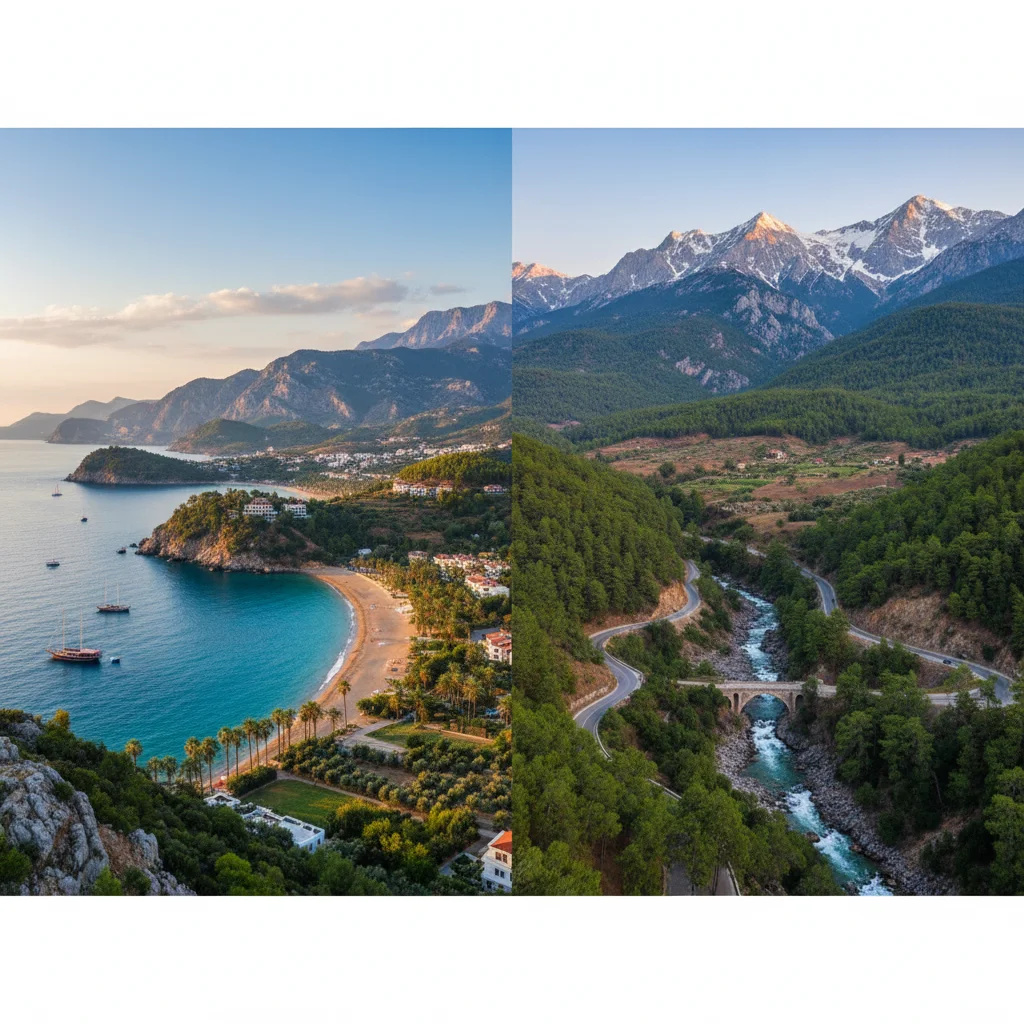
Few countries in the world compress as much geographic diversity into a single real estate market as Turkey. Within a two-hour domestic flight, an investor can move from sun-drenched Aegean marinas to mist-covered tea plantations in the Pontic Alps, or from ancient Mediterranean resort towns to geothermal ski valleys in western Anatolia. In 2026, this contrast between coastal and mountainous regions is no longer just a matter of lifestyle preference—it defines two fundamentally different investment theses.
Global buyers, relocating families, and portfolio investors looking at Turkish real estate increasingly divide their focus between established coastal markets—such as Antalya, Bodrum, Fethiye, and Izmir—and fast-maturing highland destinations like Trabzon, Rize, Sapanca, and Bursa. While coastal cities rely on international tourism, marina culture, and winter-sun appeal, mountainous provinces attract eco-tourism capital, summer retreaters escaping urban heat, and buyers seeking lower entry prices with strong land appreciation.
Whether your goal is acquiring a second passport through Turkey's Citizenship by Investment program, securing a renewable residency permit, generating seasonal rental income, or preserving capital in tangible assets, understanding how geography shapes zoning laws, yields, and property management is essential.
Turkey's topography creates a natural division in housing stock, buyer demographics, and regulatory oversight. Knowing how these two environments operate helps prevent costly mismatches between an investor's financial objectives and the local market reality.
Stretching along the Mediterranean and Aegean seas, Turkey's southern and western coastlines host the country's most liquid international property markets. Cities like Antalya and Mugla benefit from major international airports, multilingual healthcare systems, international schools, and decades of experience accommodating foreign homeowners.
In 2026, coastal markets remain characterized by higher entry prices per square meter, strict municipal aesthetic regulations in resort towns, and intense competition in the short-term holiday rental sector. Under Turkey's short-term tourism rental framework, coastal apartment investors must carefully verify building-level approvals before banking on Airbnb-style cash flow, making standalone villas and resort-managed residences particularly prized.
Inland and along the Black Sea corridor, Turkey's mountainous zones offer an entirely different value proposition. Destinations such as Sapanca in Sakarya, Uludag in Bursa, and the lush plateaus of Trabzon and Rize experience surging demand from domestic city dwellers, Gulf tourists, and remote professionals seeking cooler summer temperatures and forest privacy.
Unlike coastal resorts that experience dramatic winter slowdowns, many highland destinations enjoy dual-season demand: cool green summers followed by winter snow, fireplace retreats, and thermal spa tourism. Furthermore, land parcels in emerging highland corridors often enter the market at significantly lower price points than seafront plots, though buyers must exercise heightened diligence regarding forest boundaries and agricultural zoning.
| Comparison Metric | Coastal Regions (Antalya, Mugla, Izmir) | Mountainous Regions (Trabzon, Sapanca, Bursa) |
|---|---|---|
| Typical Property Types | Sea-view apartments, luxury villas, marina residences | Wooden chalets, mountain villas, bungalows, boutique resorts |
| Average Price Range (2026) | $2,200 – $6,500+ per sqm | $1,100 – $3,200 per sqm |
| Estimated Gross Rental Yield | 5.5% – 8.0% annually | 6.0% – 9.5% annually (niche eco-tourism) |
| Primary Peak Season | May through October (coastal leisure) | June–September (cooling) and December–February (snow) |
| Key Legal Watchpoint | Closed residency neighborhoods and Law No. 7464 rental permits | Agricultural vs. residential zoning and forest boundary checks |
| Citizenship Eligibility | Widely available ($400,000+ threshold) | Available on zoned residential titles ($400,000+ threshold) |
For buyers prioritizing international connectivity, beachfront living, and established resale liquidity, Turkey's Mediterranean and Aegean coasts continue to anchor foreign real estate inflows in 2026.
Looking for the best real estate investment opportunity in Istanbul?
We help you choose the right property based on your budget and goals
Get a Free Consultation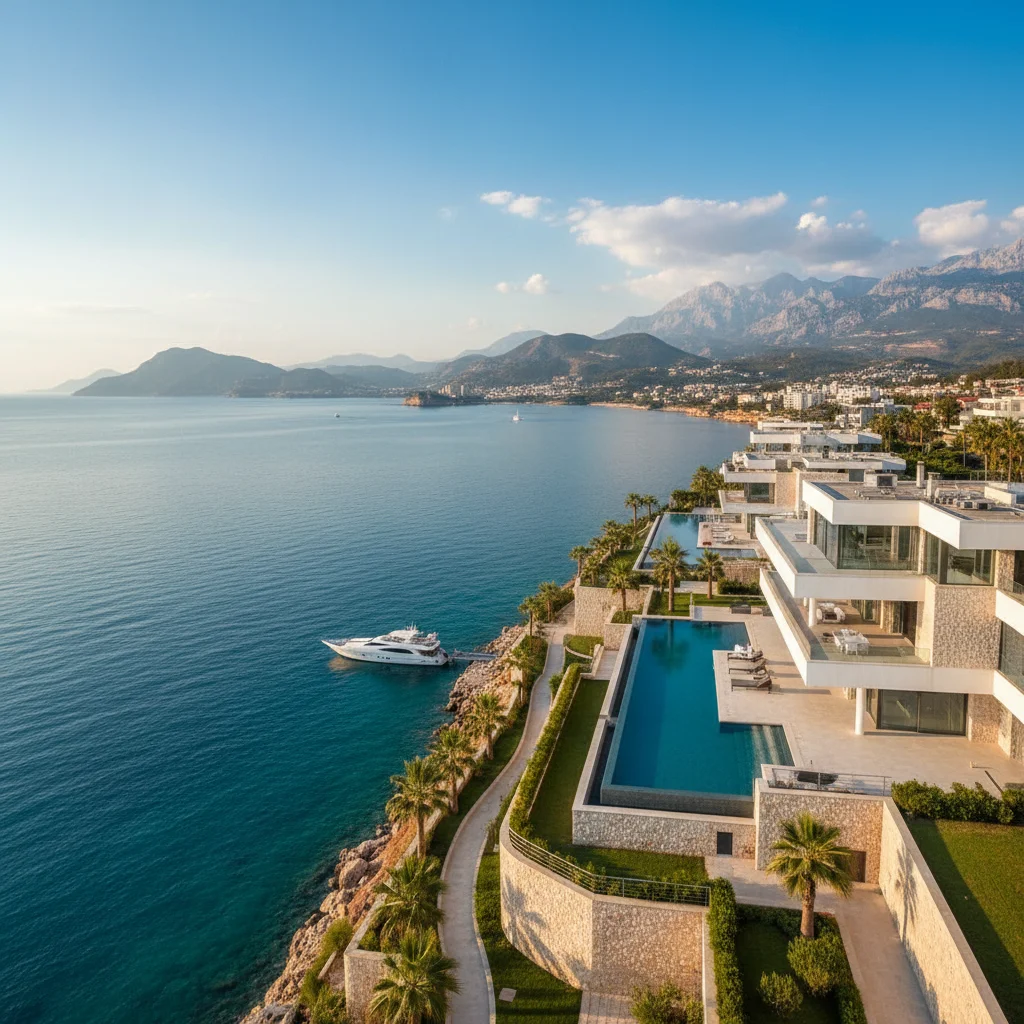
Antalya stands as Turkey's undisputed Mediterranean real estate capital, welcoming millions of international visitors annually and hosting a large year-round expatriate community. Its appeal stems from 300 days of sunshine, a modern light-rail network, championship golf courses, and diverse micro-markets.
Before committing to an Antalya purchase for residency purposes, buyers in 2026 must verify neighborhood-level foreign population quotas. Because certain popular districts in Konyaalti and Alanya previously reached the 20% foreign resident threshold, purchasing a home in a "closed neighborhood" will not grant a first-time residency permit—even if the property value exceeds $200,000. However, properties in closed districts can still qualify for Turkish Citizenship by Investment if they meet the $400,000 threshold and all statutory criteria.
Where the Mediterranean meets the Aegean, Mugla Province trades high-rise density for low-slung whitewashed architecture, pine-clad coves, and world-class yachting infrastructure.
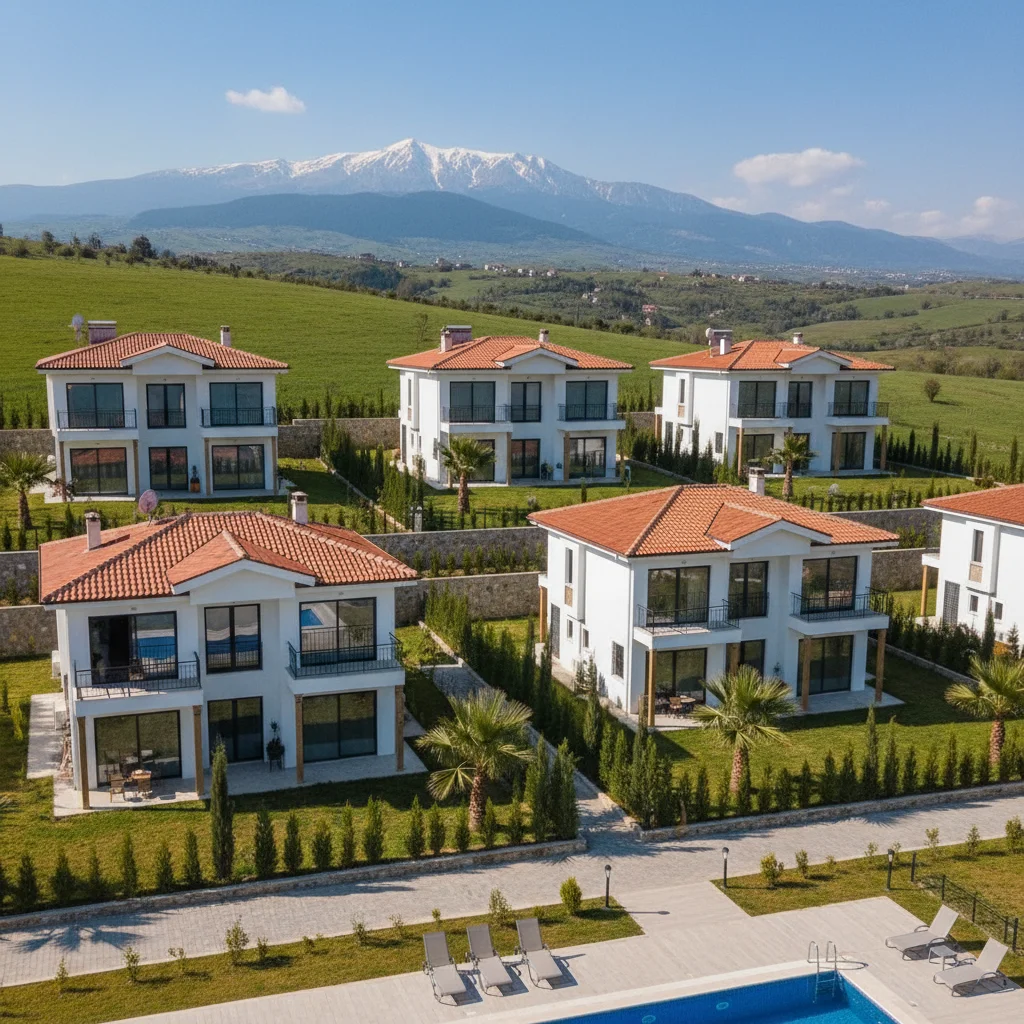
Bodrum—particularly peninsular enclaves like Yalikavak, Turkbuku, and Gumusluk—ranks alongside the French Riviera and Marbella in ultra-prime pricing. Private villas overlooking Yalikavak Marina routinely command multi-million-dollar valuations, driven by scarce buildable coastal land and strict two-to-three-story height caps. Conversely, Fethiye, Ovacik, and Gocek offer more accessible villa communities nestled between turquoise lagoons and the dramatic Babadag mountains, attracting European retirees and family holidaymakers.
Mugla enforces stringent environmental and coastal setback regulations. While these rules restrict speculative high-rise construction, they act as a natural moat protecting long-term homeowners against oversupply, keeping prime Aegean resale values remarkably resilient.
Turkey's third-largest city, Izmir, bridges urban commerce with laid-back Aegean living. Since the completion of the Istanbul-Izmir highway, travel time between Turkey's financial capital and the Aegean coast dropped to around 3.5 hours, sparking sustained domestic wealth migration into Izmir's coastal suburbs.
As coastal land prices have climbed, discerning investors have increasingly turned toward Turkey's mountains, lakes, and plateaus. In 2026, highland real estate is driven by wellness travel, boutique eco-lodging, and strong demand for private family retreats.
Framing Turkey's northeastern corner, the Pontic Mountains plunge dramatically toward the Black Sea, creating emerald valleys, Alpine meadows (locally called yaylas), and cascading rivers that stay cool even in the peak of July and August.
Trabzon serves as the commercial gateway to the region, supported by an international airport with direct seasonal flights from major Middle Eastern and European hubs. While Trabzon's coastal belt offers modern sea-view apartment towers (in districts like Yomra and Ortahisar), real estate momentum has steadily climbed inland toward Macka, Uzungol, and neighboring Rize Province. Buyers seek detached mountain villas, timber chalets, and boutique apart-hotels that capitalize on surging summer tourism.
Mountainous Black Sea terrain requires careful legal vetting. Much of the scenic hillside land carries agricultural, tea-plantation, or forest classifications rather than residential building permits. Investors must confirm that any plot or standalone chalet sits on formally zoned residential land with a valid construction permit and occupancy certificate, avoiding unpermitted highland cabins that risk municipal demolition orders.
Located just 90 minutes east of Istanbul via modern highways, the Sapanca Lake basin and neighboring Kartepe mountain represent one of Turkey's highest-performing short-stay and weekend villa markets in 2026.
Framed by lush forests and the tranquil waters of Sapanca Lake, the region thrives on year-round domestic and international weekend getaways. Heated-pool private villas, A-frame wooden lodges, and luxury glamping compounds command impressive nightly rates throughout spring, autumn, and winter—when visitors combine lakeside relaxation with skiing at nearby Kartepe Resort. Because the area offers natural gas infrastructure and easy highway access, many Istanbul executives also maintain Sapanca properties as hybrid remote-work residences.
South of the Marmara Sea, Bursa combines deep Ottoman heritage, major automotive and textile industries, thermal hot springs, and Mount Uludag—Turkey's most iconic winter ski destination.
Unlike pure resort towns, Bursa offers a massive local economy that underpins steady long-term apartment demand in districts such as Nilufer and Osmangazi. Meanwhile, residential villas and mountain-view complexes in the Uludag foothills (around Cekirge and Dobruca) enjoy the rare advantage of year-round residential stability paired with peak winter ski and thermal tourism.
Beyond the northern ranges, central Anatolia's volcanic valleys in Cappadocia and the highland villages nestled behind Antalya in the Taurus Mountains offer specialized niche opportunities. Restored stone mansions, boutique cave-hotel investments, and off-grid mountain farms attract experiential travelers willing to pay premium nightly rates, though conservation board approvals and heritage restoration rules make working with specialized local architects mandatory.
Looking for the best real estate investment opportunity in Istanbul?
We help you choose the right property based on your budget and goals
Get a Free Consultation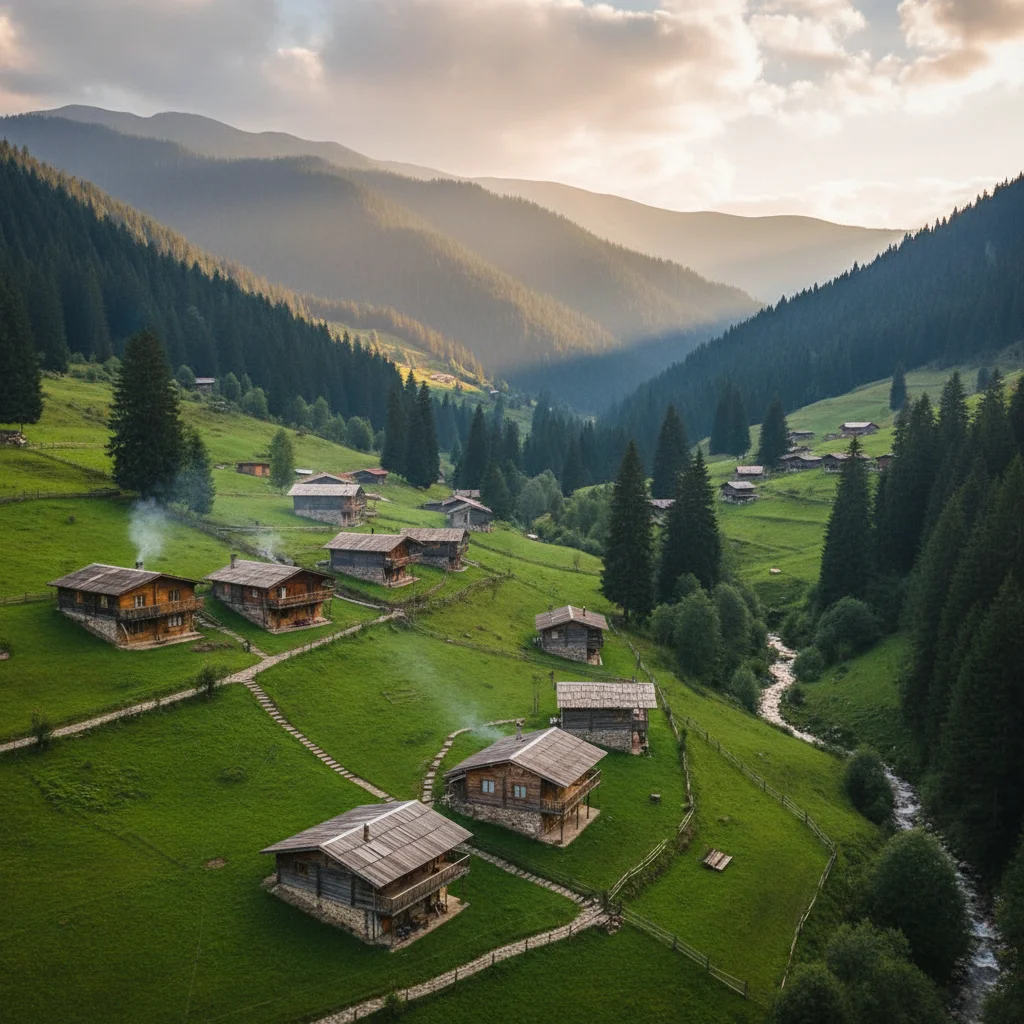
Whether you choose a Mediterranean penthouse or a forested chalet in Sapanca, Turkish real estate remains closely intertwined with immigration and nationality planning. Understanding the updated 2026 thresholds prevents missteps during the acquisition process.
Turkey's Citizenship by Investment program grants full Turkish nationality to the main applicant, their spouse, and dependent children under 18 through qualifying real estate purchases. Key rules governing eligibility in 2026 include:
For buyers not seeking citizenship, Turkey offers renewable short-term residency permits based on residential property ownership. Across Turkey in 2026, qualifying for a first-time property residency permit requires a minimum property valuation of $200,000 USD on the Title Deed and appraisal report, alongside confirmation that the property is located in an open neighborhood (below the 20% foreign resident cap) and designated strictly for residential habitation.
| Program Feature | Turkish Citizenship by Investment | Property Ownership Residency Permit |
|---|---|---|
| Minimum Property Value | $400,000 USD | $200,000 USD |
| Mandatory Holding Period | 3 years (cannot sell during period) | Must maintain ownership for each renewal |
| Neighborhood Quota Restrictions | Exempt from closed-neighborhood residency bans | Must be in an open neighborhood |
| Multiple Properties Allowed | Yes, can combine coastal and mountain assets | Typically tied to primary residential title |
| Family Coverage | Spouse and children under 18 included | Spouse and dependent children eligible |
| Work Rights | Full citizenship and unrestricted work rights | Residency only (separate work permit required) |
Although Turkey's Title Deed system is centralized and digitally streamlined through the WebTapu portal, regional terrain introduces distinct technical checks that every foreign buyer should complete before paying a deposit.
Buyers should budget approximately 5% to 7% above the agreed purchase price for transaction expenses. The primary cost is the statutory Title Deed transfer tax of 4% of the declared property value, supplemented by appraisal fees, Land Registry revolving fund fees, mandatory earthquake insurance (DASK), legal representation, and sworn translation. Ongoing annual costs include municipal property tax—typically 0.1% to 0.2% in non-metropolitan areas and 0.2% to 0.4% in metropolitan municipalities like Antalya, Izmir, Bursa, and Trabzon—alongside monthly site maintenance dues (aidat) for gated complexes.
From a tax-planning perspective, individual owners who hold Turkish residential property for more than five full years are generally exempt from capital gains tax upon resale, rewarding medium-to-long-term coastal and highland investors.
Buying the right property is only half the equation; protecting asset condition and maximizing net rental yield depend heavily on localized management practices tailored to the climate and legal environment.
Under Turkey's Tourism Purpose Rental Law (Law No. 7464), renting any residential property for stays of 100 days or fewer requires an official Tourism Residence Permit plaque from the Ministry of Culture and Tourism, alongside real-time guest identity reporting to local law enforcement.
Crucially, securing this permit inside a multi-unit coastal apartment building requires 100% unanimous written consent from all apartment owners in the block—a hurdle that can be difficult to clear in established complexes. By contrast, standalone villas in Belek, Fethiye, Sapanca, or Trabzon do not require neighbor consent from other apartment owners, giving detached coastal villas and mountain chalets a decisive regulatory advantage in the short-term holiday rental market.
Overseas owners rarely manage seasonal turnovers effectively on their own. Professional management companies in both coastal and mountain hubs typically charge 8% to 10% of annual rent for long-term unfurnished leases (one year or longer), and 15% to 25% of gross booking revenue for full-service holiday rentals covering dynamic pricing, guest check-in, housekeeping, linen service, preventative repairs, and tax compliance reporting.
If you are weighing a coastal residence against a mountainous retreat in 2026, align your decision with these practical investor profiles:
Foreigners can purchase up to 30 hectares of property nationwide, subject to district limits, provided the land is not inside a restricted military zone. However, buying unzoned agricultural land requires submitting an approved development project within two years, so most individual investors prefer properties already zoned for residential construction.
Antalya and Izmir generally offer the strongest 12-month rental stability because both have large permanent populations, universities, hospitals, and commercial economies—unlike smaller summer resort towns that rely heavily on the June-to-September holiday window.
Yes. Provided the mountain villa sits on a legally subdivided residential Title Deed, passes the SPK valuation confirming at least $400,000 USD in value (alone or combined with other properties), and satisfies seller and currency exchange rules, it qualifies fully for Turkish Citizenship by Investment.
Once you select a property and complete due diligence, obtaining the tax number, bank account, SPK appraisal, and Currency Purchase Certificate typically takes 7 to 14 business days, followed by same-day Title Deed issuance at the Land Registry appointment.
Note: Market insights, regulatory details, and regional property data in this article were sourced from Emlak Platform, Mbany Real Estate, and Massar Istanbul.