Turkey Geographical and Tourism Regions: Real Estate Investment Guide
Introduction: Turkey’s Geographical Diversity as an Investment Engine
Turkey occupies one of the most strategically significant geographic positions in the world. Straddling Southeastern Europe and Western Asia, the country spans over 783,562 square kilometers, bounded by four distinct seas: the Mediterranean, Aegean, Marmara, and Black Sea. This transcontinental crossroads has endowed Turkey not merely with rich cultural history, but with seven clearly delineated geographical regions, each defined by distinct microclimates, topographies, socioeconomic dynamics, and tourism ecosystems.
For international property investors, private equity groups, and lifestyle buyers entering the Turkish property market in 2026, understanding these geographical zones is paramount. Property acquisition in Turkey is no longer a monolithic endeavor centered solely on Istanbul’s primary residential zones. Today, high-net-worth individuals and institutional funds are building geographically diversified portfolios that balance urban capital appreciation, seasonal holiday rental yields, rural land banking, and commercial real estate assets.
This guide delivers an exhaustive, data-driven analysis of Turkey’s geographical and tourism regions. We assess each area through the lens of modern property acquisition, cross-border capital deployment, property management practicalities, and the overarching legal landscape governing Turkish Citizenship by Investment (TCBI) and real estate-based residency permits in 2026.
---
1. The Marmara Region: The Financial, Industrial, and Megacity Epicenter
The Marmara Region serves as the undisputed economic heartland of Turkey. Encompassing the northwestern corridor of the country, it surrounds the inland Sea of Marmara and connects Europe to Asia via the historic Bosphorus and Dardanelles straits. Despite accounting for only around 8.5% of the national land area, Marmara houses more than 30% of Turkey's total population and generates over 45% of its industrial and commercial output.
Istanbul: The Crown Jewel of Cross-Border Capital
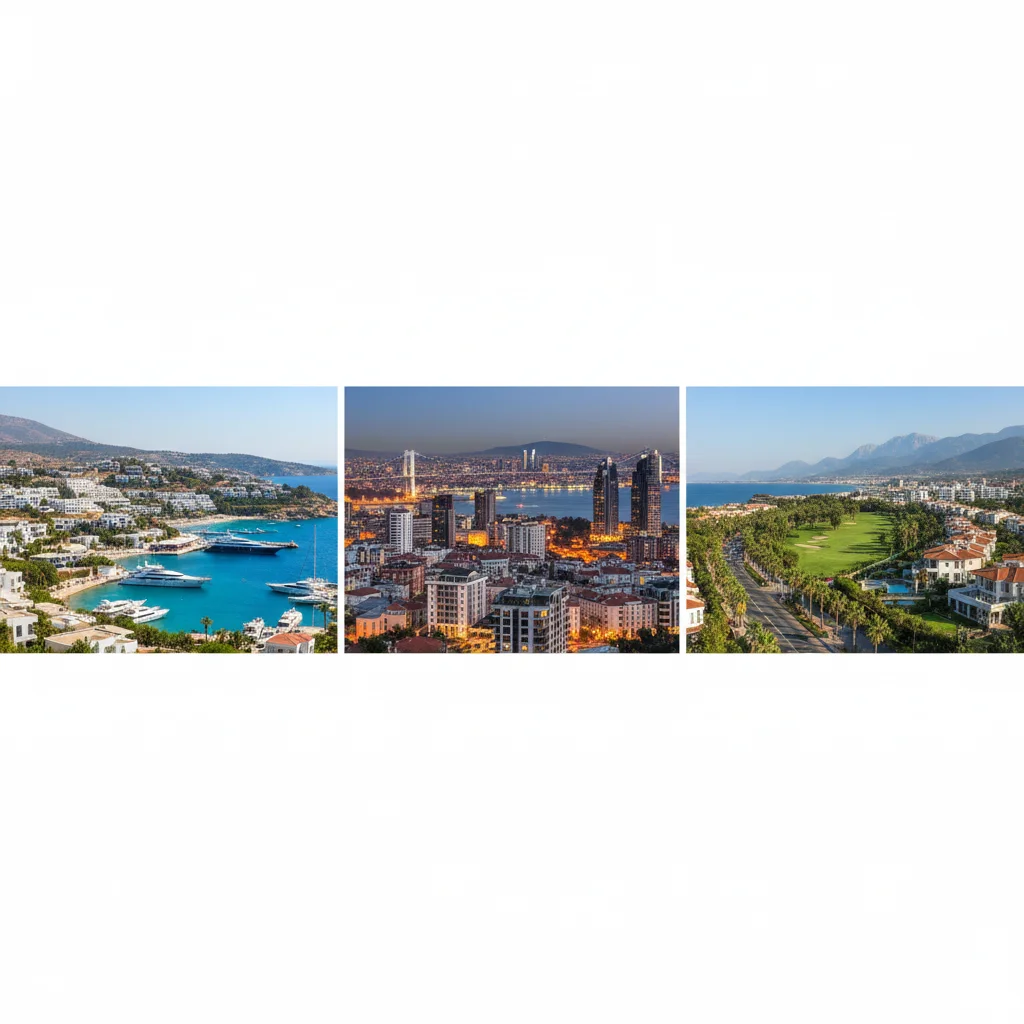
Istanbul remains the dominant magnet for foreign real estate transactions in Turkey. In 2026, the city operates as a polycentric global metropolis where urban transformation (Kentsel Dönüşüm), massive transit infrastructure expansion, and premier commercial hubs drive sustained capital appreciation.
Core Investment Corridors: Prime central districts including Beşiktaş, Şişli, Nişantaşı, and Kadıköy continue to deliver stable capital preservation with resilient secondary-market liquidity. Meanwhile, master-planned suburban developments along the Basın Ekspres axis, Beylikdüzü, and the northern transportation corridors adjacent to Istanbul Airport cater heavily to international buyers seeking pre-completion capital growth and turnkey portfolio management.
Tourism & Short-Term Rentals: Istanbul welcomed over 18 million international visitors over recent reporting cycles. Short-term residential rentals in historical zones (Fatih, Beyoğlu, Galata) generate premium nightly rates, though investors must navigate strict municipal licensing mandates under Law No. 7464, which regulates residential tourism leasing.
Citizenship Eligibility: As the primary entry point for Turkish Citizenship by Investment, Istanbul offers the broadest inventory of government-backed and developer-guaranteed properties that comfortably meet and exceed the statutory $400,000 threshold with certified valuation reports.
Bursa, Yalova, and Kocaeli: Industrial Expansion and Nature Living
Beyond Istanbul, the southern and eastern shores of the Marmara Sea present compelling alternatives for both lifestyle and commercial capital:
Bursa: Turkey’s fourth-largest city combines a powerhouse automotive and textile manufacturing base with winter sports tourism at Mount Uludağ and therapeutic thermal wellness hubs in Çekirge. Real estate investors favor Bursa for its lower entry price per square meter compared to Istanbul, robust domestic industrial tenant pool, and strong affinity among Gulf-based family investors.
Yalova: Situated directly across the Gulf of İzmit and connected to Istanbul via high-speed car ferries and the Osmangazi Bridge, Yalova thrives on thermal spa tourism and tranquil suburban villa estates. It has emerged as a premier retirement and secondary-residence market for overseas buyers seeking clean air and proximity to the metropolis.
Kocaeli (İzmit & Gebze): Primarily an industrial and logistical backbone, Kocaeli attracts institutional buyers investing in commercial warehousing, manufacturing facilities, and rental apartments catering to engineering and logistics professionals.
Looking for the best real estate investment opportunity in Istanbul?
We help you choose the right property based on your budget and goals
2. The Mediterranean Region (Akdeniz): The Riviera of High-Yield Holiday Rentals
Stretching across the southern coast of Turkey, the Mediterranean Region is framed by the dramatic Taurus Mountains to the north and the warm waters of the Mediterranean Sea to the south. Famous globally as the "Turkish Riviera," this region enjoys upwards of 300 days of sunshine annually, a mild sub-tropical winter climate, and an internationally interconnected aviation infrastructure anchored by Antalya and Gazipaşa-Alanya airports.
Antalya: The Capital of International Coastal Real Estate
Antalya is consistently the leading region in Turkey for foreign property purchases relative to its population size. Expatriates from Northern Europe, the United Kingdom, Central Asia, and the CIS nations form a deeply rooted international community across the province.
Lara and Konyaaltı: The prime urban beachfront districts of Antalya city. Konyaaltı is renowned for its modern promenade, international schools, and high-end residential complexes, while Lara offers mature infrastructure, commercial vitality, and cliffside sea views. Land scarcity in both districts has driven property values and resale demand steadily upward.
Alanya: Accounting for a major share of Mediterranean foreign transactions, Alanya delivers comprehensive lifestyle infrastructure, resort-style gated communities with full on-site amenities (pools, spas, co-working lounges), and competitive rental yields. Neighborhoods such as Mahmutlar, Oba, and Kargıcak remain focal points for foreign ownership.
Belek: The premier golfing capital of Eastern Europe and the Eastern Mediterranean, known for private luxury villas, professional golf courses, and high-end sports tourism that sustains demand outside the peak summer months.
Mersin: The Rapidly Rising Coastal Value Frontier
To the east of Antalya lies Mersin, which has established itself as one of the most accessible coastal investment markets in Turkey. Driven by the expansion of regional transport networks, the development of the international Çukurova Regional Airport, and lower land costs, Mersin offers attractive entry-level waterfront apartments. European and Middle Eastern investors actively target Mezitli, Erdemli, and Tece for capital growth and competitive holiday leasing.
Tourism Rental Economics in the Mediterranean
The Mediterranean coast operates as a world-class tourism ecosystem. Properties situated within 1,000 meters of the coastline yield gross short-term holiday rental returns ranging between 7% and 11% annually when managed by professional hospitality operators. However, seasonal occupancy fluctuations require calculated revenue management, with summer occupancy reaching 90-95% and winter occupancy moderating to 35-50% unless sustained by digital nomads or long-term winter retirees.
---
3. The Aegean Region (Ege): Ultra-Luxury Real Estate and Elite Lifestyle Assets
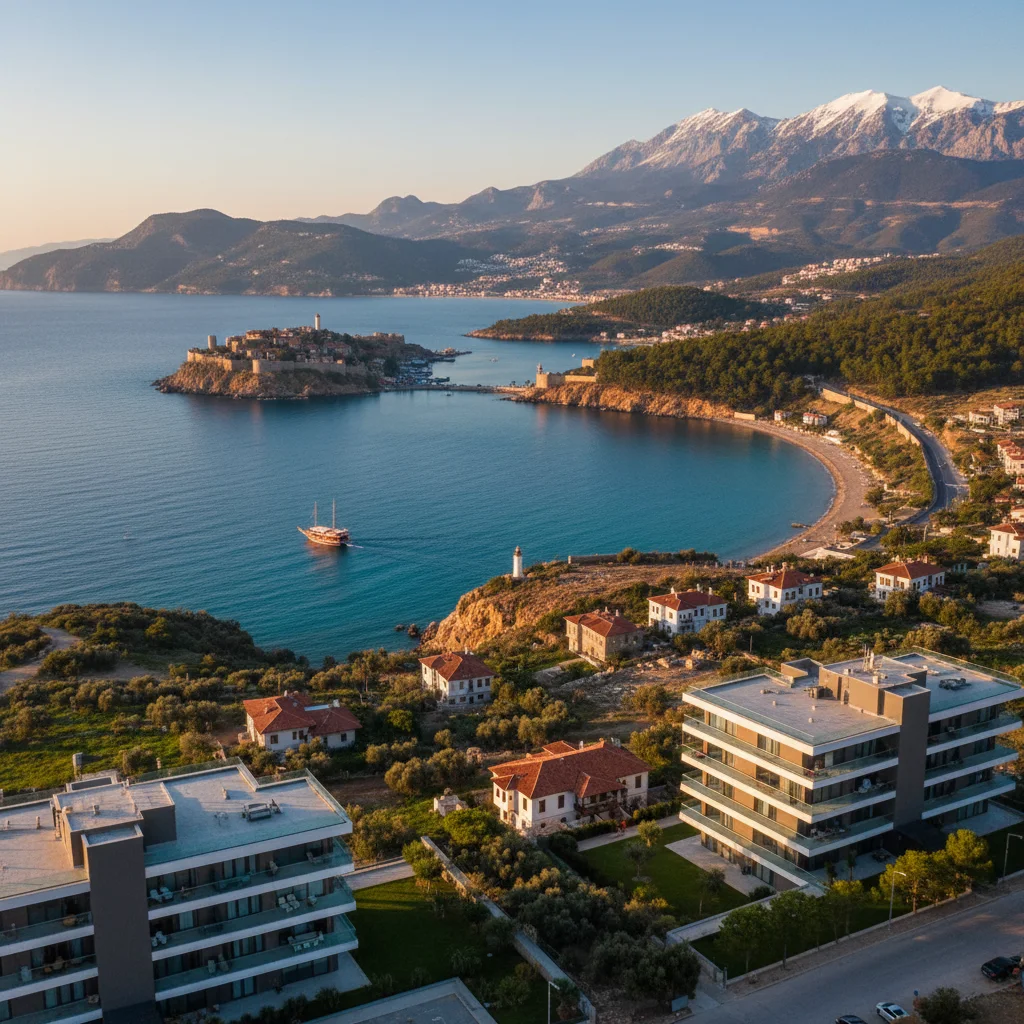
Turkey’s Aegean Region encompasses the west-facing coastline characterized by indented shores, hundreds of bays, olive groves, and classical Greco-Roman archaeological wonders like Ephesus and Pergamon. The regional culture blends Mediterranean gastronomy, maritime heritage, and a cosmopolitan outlook, making it the preferred domestic retreat for Turkey’s upper-middle class and elite international private capital.
Bodrum: The St. Tropez of the Eastern Mediterranean
The Bodrum Peninsula, situated in Muğla province, stands in a luxury tier of its own. It is an internationally recognized superyacht haven, hosting world-class marinas (such as Yalıkavak Marina), five-star hospitality brands (Mandarin Oriental, Edition, Amanruya), and Michelin-starred dining establishments.
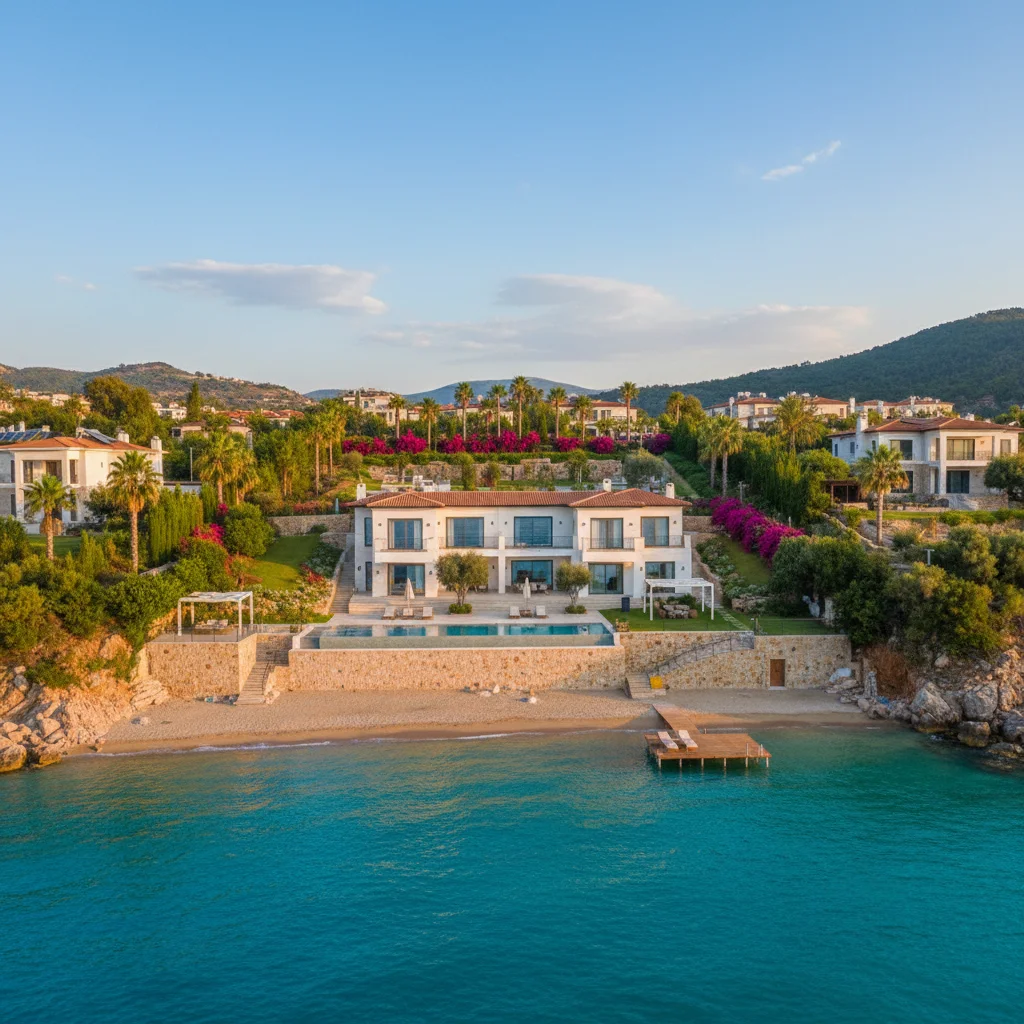
Real Estate Profile: Properties in Bodrum are defined by low-density, whitewashed architecture mandated by strict regional zoning laws that prevent high-rise developments. Detached stone villas with private infinity pools, panoramic sea views, and private mooring rights in areas like Yalıkavak, Göltürkbükü, Gümüşlük, and Torba command capital values matching top-tier European resort towns.
Investment Motivation: High-net-worth foreign nationals acquire Bodrum assets primarily for capital preservation, lifestyle prestige, and ultra-high-ticket luxury seasonal rentals, where peak weekly rental rates can reach tens of thousands of dollars.
İzmir and Çeşme: Urban Sophistication Meets Exclusive Coastal Enclaves
İzmir is Turkey’s third-largest city, representing a vibrant commercial, port, and university center known for modern infrastructure, progressive lifestyle, and consistent domestic inward migration from Istanbul.
İzmir Metropolitan Core: Districts such as Bornova, Bayraklı (the new central business district), and Karşıyaka host high-rise residential towers and commercial corporate offices yielding stable domestic tenancy and long-term capital stability.
Çeşme and Alaçatı: Located one hour west of İzmir, Çeşme and the boutique village of Alaçatı represent the pinnacle of boutique coastal prestige. Famous for windsurfing, historic stone houses, and vibrant nightlife, this enclave generates exceptionally strong summer rental yields and commands substantial capital valuations for historic conservation properties and luxury private villas.
Kuşadası and Didim: Situated further south, these towns offer budget-friendly holiday apartments, popular cruise ship tourism terminals, and strong historic ties to British, Irish, and European expatriate retirement communities.
Looking for the best real estate investment opportunity in Istanbul?
We help you choose the right property based on your budget and goals
4. Central Anatolia (İç Anadolu): Administrative Capital, Commercial Stability, and Cultural Heritage
Occupying the central plateau of the country, Central Anatolia is characterized by semi-arid steppe topography, continental climatic conditions (warm summers, cold winters), and deep historical roots. Economically, it represents the political and administrative nexus of the Turkish Republic, balanced by robust agricultural, educational, and defense-industry sectors.
Ankara: Stable Diplomatic and Corporate Yields
As the nation's capital, Ankara offers an investment profile distinctly different from coastal or commercial tourism regions:
Market Stability: The real estate market in Ankara is driven predominantly by civil servants, foreign embassy personnel, international diplomatic missions, university faculties, and medical professionals. Consequently, property demand is insulated from the seasonal volatility inherent in coastal resort markets.
Prime Investment Districts: Çankaya, Gaziosmanpaşa, Oran, and İncek are high-demand residential sectors. Foreign investors frequently acquire modern apartments in these zones to secure blue-chip tenants, long-term multi-year lease contracts, and consistent income denominated in or pegged to stable exchange values.
Commercial Opportunities: Ankara is home to Turkey's leading aerospace, defense, and research clusters, creating compelling dynamics for office park investments, technology incubators, and student accommodation assets.
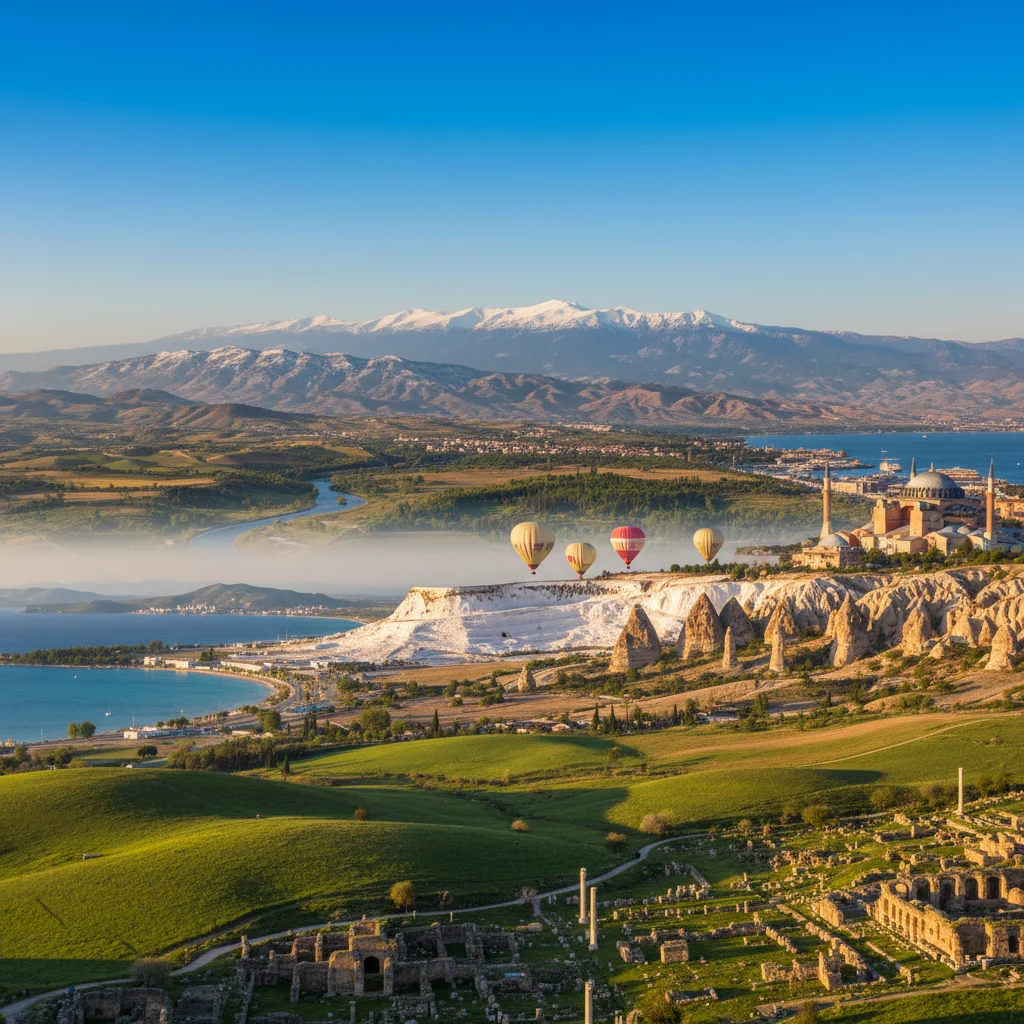
Cappadocia represents one of the most distinctive tourism landscapes globally, famous for its fairy chimneys, subterranean cities, and early-morning hot air balloon flights. Tourism in Cappadocia operates on a unique 10-to-11-month season, largely immune to the coastal summer concentration.
Boutique Hospitality Investment: Foreign and institutional investors in Cappadocia focus predominantly on the acquisition, restoration, and adaptive reuse of registered historical cave properties into boutique luxury cave hotels.
Regulatory Oversight: Development in this region is strictly governed by the Cappadocia Area Presidency (Kapadokya Alan Başkanlığı). Investors must adhere to rigorous architectural conservation guidelines, ensuring long-term asset value protection through extreme structural scarcity.
Eskişehir: The Modern University Model
Eskişehir is recognized as one of Turkey’s most progressive urban centers, featuring extensive canal networks, modern municipal management, and two massive state universities. The investment landscape here is oriented almost exclusively toward micro-apartments (1+0 and 1+1 configurations), modern student housing complexes, and retail commercial assets that experience near-zero structural vacancy rates throughout the academic year.
---
5. The Black Sea Region (Karadeniz): Eco-Tourism, Alpine Landscapes, and Nature Escapes
Bordering northern Turkey, the Black Sea Region is characterized by rugged, lush mountain ranges rising steeply from the sea, dense temperate rainforests, high annual rainfall, and agricultural dominance in tea and hazelnut production. The climate is oceanic, featuring mild summers and cool, wet winters.
Trabzon, Rize, and Ordu: The Green Tourism Hub for Gulf Investors
Over the past decade, the eastern Black Sea corridor—anchored by Trabzon—has undergone an extraordinary real estate transformation, driven primarily by tourism and property demand originating from the Gulf Cooperation Council (GCC) nations (Saudi Arabia, UAE, Kuwait, Qatar, Oman).
Climatic Appeal: Buyers from arid Middle Eastern climates are drawn to the temperate weather, mist-covered mountain plateaus (such as Uzungöl and the Ayder Plateau), rushing rivers, and expansive forest ecosystems.
Property Types: Real estate demand is heavily weighted toward spacious family apartments with direct sea and mountain views (Yomra, Akçaabat, Ortahisar in Trabzon) and private detached country chalets in elevated rural settings.
Rental Dynamics: The summer tourism season in the Black Sea is condensed but exceptionally lucrative, running intensely from June through September. Large multi-bedroom properties yield high short-term daily and weekly rental rates to visiting family tourism cohorts.
Agricultural Real Estate: The region presents select opportunities for agricultural land investment, particularly productive hazelnut orchards and tea plantations, though foreign land acquisition laws impose strict limitations on total land parcel surface area and agricultural zoning development.
---
6. Eastern and Southeastern Anatolia: Emerging Cultural Tourism and Regional Trade Corridors
Eastern and Southeastern Anatolia constitute Turkey’s inland frontiers, characterized by high alpine plateaus, expansive river basins (the Euphrates and Tigris), and profound ancient history spanning the origins of human civilization.
Southeastern Anatolia: Heritage, Gastronomy, and Cross-Border Commerce
Gaziantep: A UNESCO Creative City of Gastronomy and an industrial powerhouse in machine-woven carpets and food processing. Real estate investment here is driven by a powerful local manufacturing economy, sustained internal migration, and a thriving regional business travel market.
Mardin: Perched over the Mesopotamian plains, Mardin is globally celebrated for its golden stone architecture, ancient Syrian Orthodox monasteries, and historic madrasas. Like Cappadocia, Mardin is experiencing an institutional wave of boutique hotel developments, where ancestral stone mansions are restored into high-end hospitality venues catering to cultural and heritage tourists.
Şanlıurfa: Positioned adjacent to Göbeklitepe and Karahantepe—the world’s oldest known temple complexes—Şanlıurfa is emerging as a global archaeological tourism destination, driving municipal investment into hospitality, hotel capacity, and local infrastructure.
Eastern Anatolia: Winter Sports and Frontier Connectivity
Erzurum (Palandöken): Home to one of the world’s longest and steepest professional ski runs, Palandöken hosts high-altitude winter tourism, alpine sports academies, and winter holiday residential developments that yield stable winter rental returns.
Van: Positioned around Lake Van (Turkey’s largest body of water), this city acts as a regional commercial hub with cross-border trade and shopping tourism flows, supporting hospitality and retail real estate assets.
---
Comparative Regional Real Estate & Tourism Matrix (2026)
To assist cross-border investors in comparing regional capabilities, the following matrix outlines capital entry points, projected rental yields, prevailing foreign buyer profiles, and tourism drivers across Turkey’s geographic zones:
Geographical Region
Primary Investment Hubs
Average Price/m² (USD Equivalent)
Avg. Gross Rental Yield (%)
Key Foreign Buyer Demographics
Primary Tourism Driver
Marmara
Istanbul, Bursa, Yalova, Kocaeli
$1,600 – $5,500+ (Prime up to $15k)
5.5% – 7.5%
Global, Middle East, Europe, CIS, North America
Urban, MICE, Cultural, Medical Tourism
Mediterranean
Antalya, Alanya, Belek, Mersin
$1,200 – $3,800
7.0% – 10.5%
Germany, UK, Scandinavia, CIS, Poland, Kazakhstan
Beach Resort, Golf, Wellness, Sun & Sea
Aegean
Bodrum, İzmir, Çeşme, Kuşadası
$1,800 – $7,500+ (Bodrum Ultra-Prime $20k+)
5.0% – 8.5%
UK, Western Europe, Domestic High-Net-Worth, USA
Luxury Yachting, Gastronomy, Boutique Coastal
Central Anatolia
Ankara, Cappadocia (Nevşehir), Eskişehir
$900 – $2,200
6.0% – 8.0%
Expat Professionals, Diplomats, East Asian Investors
Heritage, Hot Air Ballooning, Diplomatic/Business
Black Sea
Trabzon, Rize, Ordu
$800 – $1,800
6.0% – 9.0% (Seasonal peak)
Saudi Arabia, UAE, Kuwait, Qatar, Oman
Eco-Tourism, Highlands (Yayla), Mountain Retreats
Southeastern Anatolia
Gaziantep, Mardin, Şanlıurfa
$650 – $1,400
6.5% – 8.5%
Regional Trade Investors, Cultural Hospitality Funds
Gastronomic, Ancient History (Göbeklitepe), Cultural
Eastern Anatolia
Erzurum, Van, Kars
$550 – $1,200
5.5% – 7.0%
Cross-Border Trade Investors, Domestic Buyers
Winter Sports (Skiing), Historical Exploration
---
Legal, Regulatory, and Citizenship Framework for Property Buyers in 2026
Foreign investors acquiring real estate in any of Turkey’s geographical regions must navigate a well-defined statutory environment designed to protect capital, verify title security, and control residential leasing operations.
Turkish Citizenship by Investment (TCBI) Regulations
Under the real estate route of the Turkish Citizenship program:
Capital Threshold: An applicant must acquire one or multiple properties with a total aggregate value of at least $400,000 USD (or equivalent foreign currency converted via the central bank).
Currency Exchange Certificate (DAB): Foreign currency must be sold to the Central Bank of the Republic of Turkey (TCMB) via an authorized local intermediary bank before property conveyance, generating a Döviz Alım Belgesi (Currency Purchase Certificate).
Valuation Compliance: A certified valuation report prepared by an independent capital markets (SPK-licensed) appraiser must confirm that the market valuation matches or exceeds the declared purchase price and the $400,000 threshold.
Title Deed Encumbrance: An annotation (şerh) is registered at the General Directorate of Land Registry and Cadastre (Tapu ve Kadastro Genel Müdürlüğü), restricting the sale, transfer, or assignment of the real estate asset for a mandatory period of 3 years.
Short-Term Tourism Rental Law (Law No. 7464)
Investors purchasing holiday properties in high-yield tourism areas such as Antalya, Bodrum, Marmaris, or Istanbul to operate on short-term platforms (Airbnb, Vrbo, Booking.com) must comply with legislation governing tourist rentals:
Tourism Operation License: Property owners must obtain an official Tourism Residence License from the Ministry of Culture and Tourism before letting residential premises for periods under 100 days.
Condominium Consent: In multi-unit apartment complexes without commercial/serviced residential status (rezidans classification), the applicant must secure unanimous 100% written consent from all titled unit owners in the building.
Serviced Residans Exemption: Properties located in master-planned developments designated with formal "Residans" status—which offer reception, security, concierge, and on-site hospitality services—are exempt from the individual neighbor consent requirement, making them the preferred vehicle for hands-off holiday letting investments.
Real Estate-Based Residency Permit (İkamet)
For buyers who do not pursue the $400,000 citizenship program but wish to secure Turkish residence based on homeownership, the statutory minimum purchase price across designated metropolitan municipalities stands at $200,000 USD. This threshold is assessed exclusively based on the declared sales price in the official Title Deed (Tapu senedi) and supported by certified valuation reports.
---
Property Management and Portfolio Optimization Across Turkey
Maximizing real estate returns across Turkey's varied geographical landscape demands strategic property management tailored to the local regional dynamic:
Urban Commercial and Long-Term Residential Assets (Istanbul, Ankara, İzmir)
Lease Structuring: Residential leases are governed by the Turkish Code of Obligations. Investors should establish notarized lease agreements accompanied by signed eviction commitments (tahliye taahhütnamesi) executed following the tenancy commencement date.
Corporate Tenants: In primary commercial corridors, prioritizing multinational corporations, embassies, or registered institutional entities mitigates default risk and ensures multi-year tenure stability.
Seasonal Resort and Coastal Assets (Antalya, Bodrum, Fethiye)
Turnkey Hospitality Operators: Due to statutory requirements under Law No. 7464, overseas investors should partner with licensed, bonded property management companies that handle guest identity verification via the police notification system (KBS), dynamic pricing algorithms, professional housekeeping, and tax compliance.
Dual-Season Utility: Shrewd investors utilize coastal properties for personal family vacations during the shoulder months (May and October), while booking prime holiday revenue during the peak summer occupancy season (June through August).
---
Frequently Asked Questions (FAQs)
Can a foreign buyer acquire property in any region of Turkey?
Foreign nationals can purchase real estate in most parts of Turkey, provided the property is not located inside restricted military security zones or designated strategic border territories. Total foreign individual ownership cannot exceed 30 hectares nationwide without special cabinet permission, nor exceed 10% of the total private surface area of any single district (ilçe).
Which Turkish region yields the highest return on investment (ROI)?
For gross short-term holiday rental yields, the Mediterranean (Antalya, Alanya) and specific resort segments of the Aegean (Bodrum) consistently lead with yields between 7% and 10.5%. For balanced long-term capital appreciation and resale liquidity, prime urban districts across Istanbul and İzmir remain the industry benchmark.
Is it possible to purchase multiple properties across different regions to qualify for Turkish Citizenship?
Yes. The Turkish Citizenship by Investment legislation allows investors to combine multiple property acquisitions (for instance, an apartment in Istanbul and a vacation villa in Antalya), provided the cumulative valuation verified by SPK appraisal exceeds $400,000 USD and all title deeds have the required three-year non-disposal annotation registered simultaneously.
---
Strategic Conclusion: Navigating Turkey’s Regional Horizons in 2026
Turkey’s geographical and tourism diversity provides international investors with a versatile, multifaceted real estate landscape. From the cosmopolitan commercial power of the Marmara region to the sun-drenched, high-yielding coastlines of the Mediterranean and Aegean, down to the historic boutique opportunities of Central and Southeastern Anatolia, each region offers distinct risk-reward parameters.
Successful real estate deployment in Turkey requires matching an investor's balance sheet objectives—whether capital preservation, aggressive rental yields, residency, or citizenship—with the regional geography that best supports those targets. As modern infrastructure continues to shrink physical distances and bridge regional economies, the integration of Turkey’s geographic markets positions the country as a durable pillar of cross-border real estate investment.
Market insights, legal frameworks, and regional transaction parameters referenced in this guide were compiled with the analytical support of industry research provided by Emlak Platform, transaction advisory expertise from Mbany Real Estate, and property portfolio management services from Massar Istanbul.