US Dollar - USD
- Turkish Lira - TRY
- US Dollar - USD
- Euro - EUR
- Pound sterling - GBP
- Russian Ruble - RUB
- Chinese Yuan - CNY
- Georgian lari - GEL
- Saudi Riyal - SAR
- UAE Dirham - AED
- Syrian Pound - SYP
Turkey occupies a rare geographical and economic crossroads between Europe, Asia, and the Middle East. Over the past decade, its property market has matured from an emerging holiday-home destination into a multi-layered real estate ecosystem serving institutional investors, relocating families, remote professionals, and citizenship-focused buyers. Entering 2026, the market is characterized by greater regulatory clarity, urban renewal momentum, and a clear divergence between speculative developments and fundamentally sound neighborhoods.
For international buyers, choosing the right location in Turkey is no longer just about finding an attractive apartment near the sea. Strict valuation rules, updated residency permit thresholds, short-term rental licensing laws, and evolving transit networks mean that district-level selection directly determines both legal eligibility and long-term financial returns. Whether your objective is strong rental cash flow, capital appreciation, Turkish citizenship by investment, or a reliable residence permit, understanding how each Turkish city and sub-district performs is essential.
Before comparing specific cities, buyers should evaluate any Turkish neighborhood against five core benchmarks that govern real estate performance in 2026:
Istanbul accounts for the largest share of foreign and domestic real estate transactions in Turkey. Spanning two continents with a population exceeding 16 million, the city functions not as a single market, but as dozens of distinct micro-markets. In 2026, investor demand is concentrated along major metro corridors, urban renewal zones, and master-planned residential compounds offering 24/7 security, underground parking, and social facilities.
The European side of Istanbul holds the city's historic core, primary business districts, and major international transport hubs, including Istanbul Airport (IST). Buyers looking for liquidity, prestige, or family-oriented modern complexes have several standout options:
Basaksehir has cemented its reputation as one of Istanbul's most orderly, family-centric municipalities. Known for wide boulevards, green parks, and modern gated communities, the district benefits from proximity to the Basaksehir Cam and Sakura City Hospital—one of Europe's largest medical complexes—and direct metro connectivity to Istanbul Airport. Demand from both middle-to-upper-income Turkish families and international buyers keeps resale liquidity strong and makes Basaksehir a prime area for $400,000 citizenship portfolios.
For investors prioritizing rental yield and central access, Kagithane and neighboring Sisli offer compelling fundamentals. Located right beside the Maslak-Levent financial axis, Kagithane has undergone rapid urban transformation from older industrial plots into sleek mid-rise residences favored by white-collar professionals. With the M7 metro line and the M11 airport metro passing directly through Kagithane, travel times to Taksim, Besiktas, and Istanbul Airport have dropped dramatically, driving consistent corporate tenant demand.
Sariyer (including prestigious enclaves like Tarabya, Yenikoy, and Zekeriyakoy) and Besiktas represent Istanbul's upper-tier luxury segment. Bosphorus-view villas, historic mansions, and low-density forest-edge compounds attract high-net-worth individuals focused on wealth preservation rather than high percentage yields. Supply in these districts is strictly constrained by geography and zoning, supporting resilient long-term capital values.
Situated on the western European corridor, Beylikduzu and Bahcesehir attract buyers seeking larger floor plans, sea-view master-planned projects, and accessible entry prices compared to central Istanbul. Anchored by the Metrobus line, West Istanbul Marina, and a growing network of international schools, these districts appeal strongly to relocating families looking for modern three- and four-bedroom apartments within a reasonable budget.
Positioned along the Marmara coastline just outside the historic walls, Zeytinburnu and Bakirkoy combine waterfront lifestyle with rapid access to Eurasia Tunnel, Marmaray rail, and central business districts. Luxury coastal developments in Zeytinburnu have become flagship destinations for buyers seeking branded residences with unobstructed sea views.
Once viewed mainly as a quieter residential counterpart to the European side, Anatolian Istanbul has surged in investor appeal thanks to major financial and transit investments.
Home to the Istanbul Finance Center (IFC), Atasehir has evolved into Turkey's premier banking and corporate headquarters hub. The influx of financial institutions, legal firms, and fintech companies has created sustained demand for upscale residential towers and serviced apartments. Buyers targeting corporate tenants and long-term appreciation consistently rank Atasehir among the highest-conviction districts in the country.
Kadikoy blends vibrant cultural life, boutique cafes, coastal promenades, and top-rated schools. Neighborhoods like Suadiye, Caddebostan, and Fenerbahce along Bagdat Avenue command some of the highest per-square-meter prices on the Asian side. Extensive urban renewal has replaced aging mid-century buildings with earthquake-resistant boutique apartments, creating strong demand from affluent local professionals and expats.
Uskudar offers historic charm, Bosphorus views, and immediate ferry and Marmaray access to the European side, making it ideal for prestige residential buyers. Further east along the Marmara coast, Kartal and Pendik provide modern high-rise developments overlooking the Princes' Islands, supported by Sabiha Gokcen International Airport (SAW) and expanding metro lines. Kartal offers a particularly attractive balance between lower entry prices and steady infrastructure-led appreciation.
Looking for the best real estate investment opportunity in Istanbul?
We help you choose the right property based on your budget and goals
Get a Free Consultation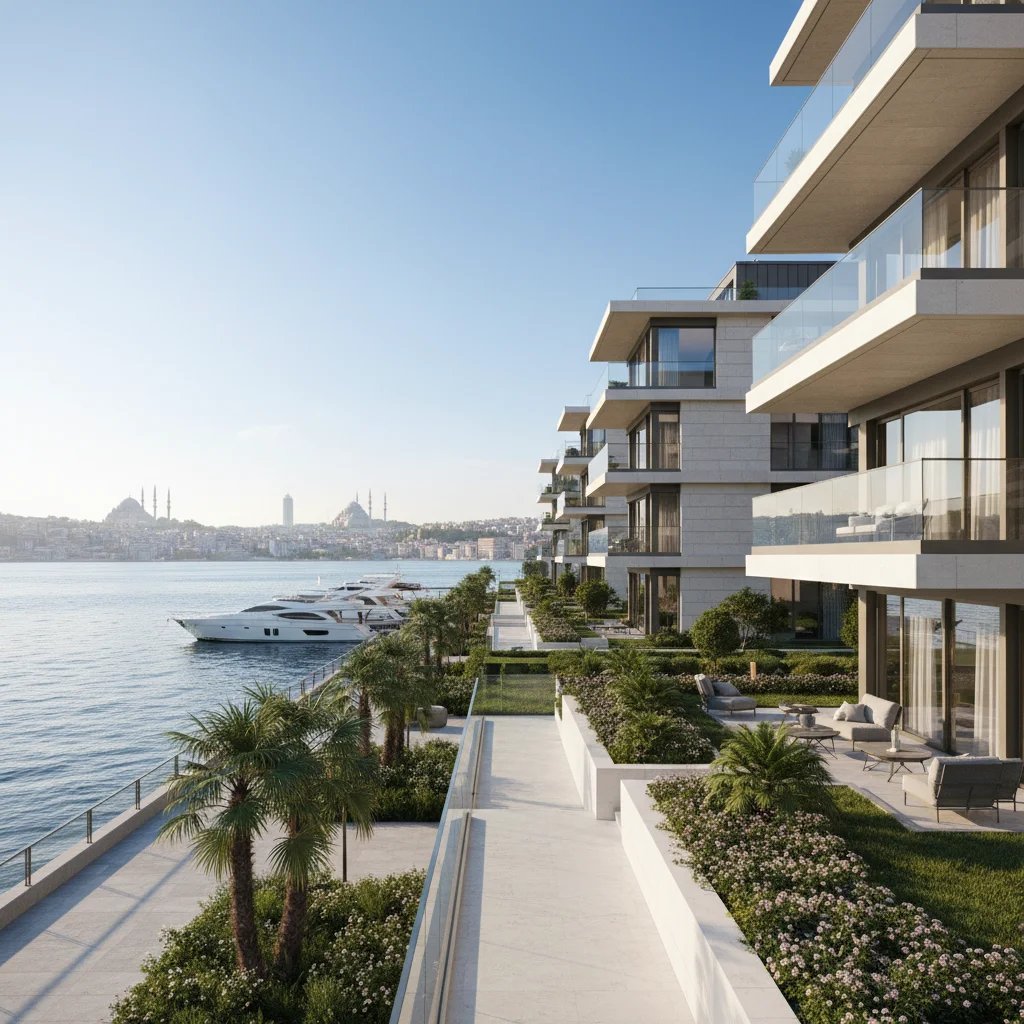
As Turkey's undisputed tourism capital, Antalya attracts millions of international visitors annually and hosts one of the country's largest expatriate communities. Unlike seasonal resort towns that go quiet for half the year, Antalya operates as a full-scale metropolitan city with international schools, private hospitals, and year-round direct flights to Europe and the Middle East.
Konyaalti (on the western side of the city) and Lara (to the east) are Antalya's premier urban coastal districts. Konyaalti is prized for its Blue Flag pebble beach backed by the Taurus Mountains, modern residential complexes with swimming pools, and proximity to Akdeniz University. Lara is known for upscale neighborhoods, proximity to Antalya Airport, and cliffside parks. Both areas maintain strong year-round rental demand and remain top choices for retirees and remote workers seeking coastal city living.
Located two hours east of Antalya city center, Alanya has long been a magnet for European, CIS, and Middle Eastern buyers due to its warm climate, resort-style residential complexes, and lower price-per-square-meter compared to Istanbul or Bodrum. Districts such as Oba, Kestel, Tosmur, and Avsallar offer abundant modern housing stock. However, buyers in 2026 must verify residency status carefully before purchasing in Alanya: several popular sub-districts (such as Mahmutlar) have faced residency registration restrictions, making neighborhood-by-neighborhood due diligence vital if obtaining an Ikamet is your primary goal.
Belek is internationally renowned for championship golf courses and five-star resorts, making it a niche hotspot for detached villas with private pools and strong seasonal rental potential. Meanwhile, Dosemealti—situated slightly inland at a higher elevation—offers cooler summer evenings, spacious luxury villa compounds, and quiet suburban living just 25 minutes from the coast.
For buyers targeting ultra-luxury villas, yacht-centric lifestyles, and long-term asset preservation, the Mugla province—led by Bodrum, Fethiye, and Marmaris—stands in a league of its own.
Bodrum has transformed into one of the Mediterranean's premier luxury destinations, comparable in exclusivity to parts of the French Riviera or Ibiza. Yalikavak, anchored by its world-class superyacht marina and designer retail, leads the market for contemporary stone villas and branded residences. Turkbuku (Goltürkbuku) remains the summer retreat of Turkey's business elite, while Bodrum Center provides year-round amenities and historic charm. Strict height restrictions and limited coastal land supply keep property values buoyant, though entry prices for prime sea-view villas frequently exceed $800,000 to several million dollars.
Further southeast along the Aegean-Mediterranean junction, Fethiye (including Calis Beach, Hisaronu, Ovacik, and Gocek) and Marmaris attract a steady stream of British and Northern European buyers. Gocek is particularly prized by sailing enthusiasts for its sheltered marinas and low-key luxury villas, whereas Ovacik and Calis offer attractive semi-detached and detached villas at more accessible price points than Bodrum.
While Istanbul and Antalya dominate international headlines, seasoned investors in 2026 increasingly look toward Ankara and Izmir for portfolio diversification, steady local tenant pools, and lower speculative volatility.
As Turkey's capital, Ankara benefits from an economy anchored by government ministries, foreign embassies, defense contractors, and major public universities. Consequently, its rental market is remarkably resilient against tourism fluctuations. Key districts include:
Turkey's third-largest city combines a progressive, European-facing lifestyle with a major commercial port and growing technology corridor. Improved highway access to Istanbul (via the Osmangazi Bridge) has accelerated domestic migration from Istanbul to Izmir, boosting property values across the province.
Beyond the major metropolises and Aegean-Mediterranean coasts, several secondary cities deliver compelling value for specific buyer profiles.
Situated directly across the Sea of Marmara from Istanbul, Bursa and Yalova are easily reachable via ferry or the Osmangazi Bridge in roughly 60 to 90 minutes. Bursa—Turkey's fourth-largest city and a major automotive and textile hub—offers green mountain scenery around Uludag, rich Ottoman heritage, and spacious family apartments in districts like Nilufer at a fraction of Istanbul prices. Neighboring Yalova is prized for its thermal springs, coastal promenades, and tranquil villa projects favored by Gulf and domestic retirees.
On the lush Black Sea coast, Trabzon has established itself as a popular summer destination for buyers from GCC countries seeking cool mountain air, green plateaus, and affordable sea-view apartments. Areas such as Yomra, Kasustu, and Ortahisar feature modern residential towers close to Trabzon Airport and major shopping malls.
Looking for the best real estate investment opportunity in Istanbul?
We help you choose the right property based on your budget and goals
Get a Free Consultation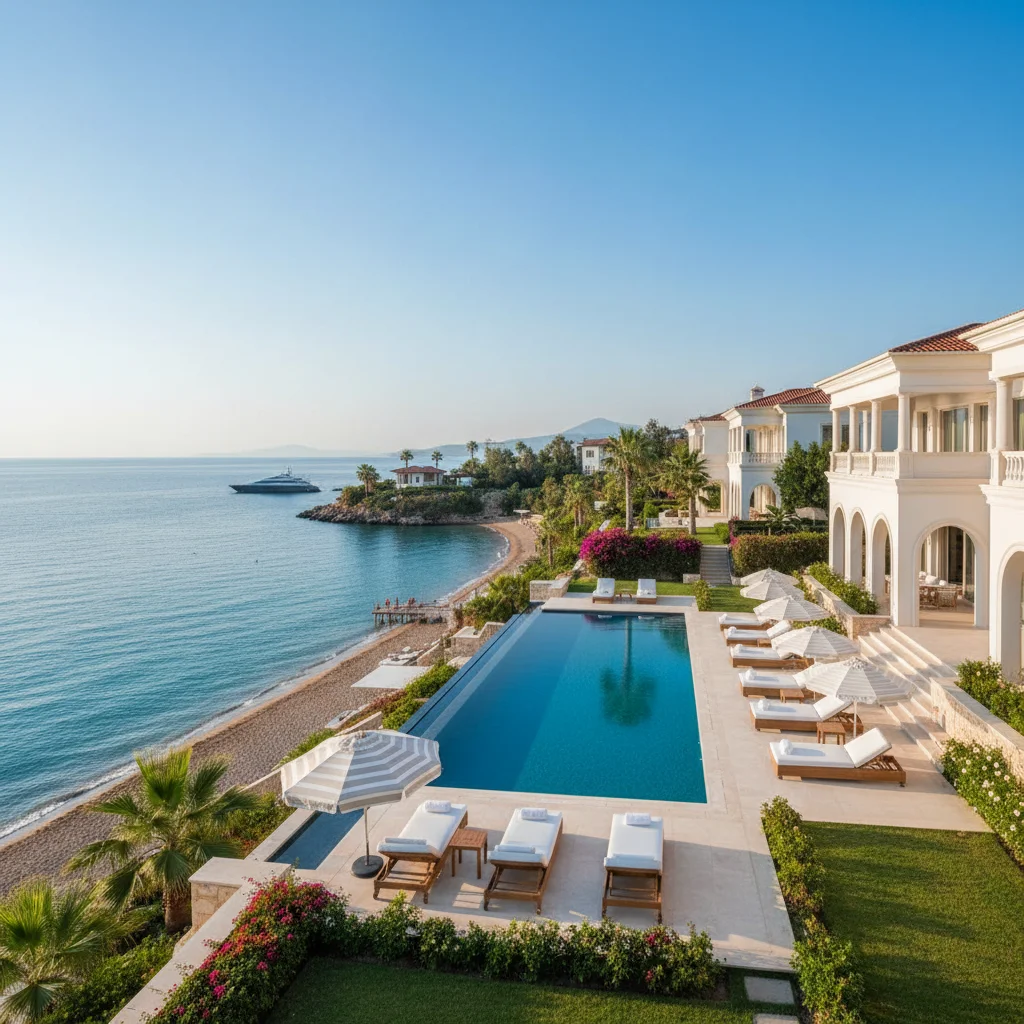
The table below summarizes how Turkey's leading real estate markets compare across investor profile, typical entry pricing for quality foreign-targeted units, gross rental yields, and residency or citizenship suitability.
| Region / City | Primary Buyer Profile | Typical Quality Entry Range (USD) | Est. Gross Rental Yield | Residency & Citizenship Suitability |
|---|---|---|---|---|
| Istanbul (Central & Business Hubs) | Capital growth investors, corporate landlords, citizenship buyers | $220,000 – $650,000+ | 5.0% – 7.5% | High; wide selection of $400k+ projects (check closed district lists for Ikamet) |
| Istanbul (Western & Outer Corridors) | Relocating families, budget-conscious citizenship investors | $150,000 – $350,000 | 5.5% – 7.0% | High; many multi-unit or spacious family options |
| Antalya (Konyaalti & Lara) | Expats, retirees, year-round lifestyle & yield buyers | $180,000 – $450,000 | 5.5% – 8.0% | Moderate to High; verify open neighborhoods for residency permits |
| Bodrum Peninsula | UHNW buyers, second-home owners, wealth preservation | $450,000 – $3,000,000+ | 4.0% – 6.5% | High for citizenship; premium pricing naturally exceeds thresholds |
| Ankara (Cankaya & Incek) | Conservative yield investors, diplomats, long-term residents | $140,000 – $350,000 | 6.0% – 8.0% | High; strong compliance and minimal closed-district friction |
| Izmir (City & Peninsula) | Tech professionals, domestic/foreign lifestyle buyers | $200,000 – $750,000 | 4.5% – 6.5% | High; strong appreciation in Urla, Karsiyaka, and Bayrakli |
| Bursa & Yalova | Families seeking space, nature, and Istanbul proximity | $120,000 – $300,000 | 4.5% – 6.0% | Good for lifestyle; fewer $400k single-unit citizenship options |
Real estate location strategy in Turkey is inseparable from legal compliance. Overlooking a single regulatory detail can invalidate residency eligibility or delay title deed issuance.
Foreign nationals can qualify for Turkish citizenship for themselves, their spouse, and unmarried children under 18 by purchasing real estate worth at least $400,000 USD. To qualify cleanly in 2026:
If your goal is a renewable short-term residence permit through property ownership rather than citizenship, the property's appraised and registered value must meet or exceed $200,000 USD. Crucially, the Directorate of Migration Management maintains a list of "closed neighborhoods" across Turkey—including specific sub-districts in Istanbul, Antalya, and Alanya—where foreign population density has reached 20%. Always verify that a specific street and building fall within an open neighborhood before paying a reservation deposit.
Buyers intending to generate holiday-let income through platforms like Airbnb or Booking.com must comply with Turkey's tourism rental law. Leasing a residential unit for periods shorter than 100 days requires obtaining a Tourism Housing Permit Plaque from the Ministry of Culture and Tourism, which in turn requires 100% written consent from every apartment owner in the same building—unless the property is a detached villa or a designated high-residence complex whose management plan explicitly permits short-term tourism rentals. Properties in purpose-built serviced residences in Istanbul or detached villas in Bodrum and Belek navigate this rule far more smoothly than standard residential apartment blocks.
Acquiring and managing real estate in Turkey is straightforward when executed in the correct legal sequence:
Turkey remains competitive on ongoing property holding costs compared to Western Europe. Annual municipal property tax ranges between 0.1% and 0.6% depending on property type (residential vs. commercial) and metropolitan status. Rental income is subject to progressive income tax after allowable deductions (either the lump-sum expense deduction or actual expenses). Notably, if an individual holds a property for at least five full years from the Tapu registration date before selling, capital gains tax on the resale profit is generally exempt—rewarding investors who focus on fundamentally sound neighborhoods with a medium-to-long-term horizon.
There is no single "best" area to buy real estate in Turkey—only the right market for a clearly defined strategy. In 2026, investors seeking institutional liquidity, corporate tenants, and rapid transit-driven appreciation continue to find unmatched depth in Istanbul districts such as Atasehir, Kagithane, Basaksehir, and Kadikoy. Buyers prioritizing coastal lifestyle alongside year-round rental stability gravitate toward Konyaalti and Lara in Antalya or Izmir's growing peninsula. Meanwhile, ultra-luxury villa buyers focus on Yalikavak in Bodrum, and conservative yield-seekers appreciate the diplomatic stability of Ankara's Cankaya district.
By pairing neighborhood-level due diligence with strict adherence to Turkey's valuation, residency, and short-term rental laws, international buyers can secure resilient assets that deliver both lifestyle value and dependable financial performance for years to come.
Note: Market insights, regional data, and regulatory information in this guide were sourced from Emlak Platform, Mbany Real Estate, and Massar Istanbul.