US Dollar - USD
- Turkish Lira - TRY
- US Dollar - USD
- Euro - EUR
- Pound sterling - GBP
- Russian Ruble - RUB
- Chinese Yuan - CNY
- Georgian lari - GEL
- Saudi Riyal - SAR
- UAE Dirham - AED
- Syrian Pound - SYP
Turkey stands as one of the world's most dynamic intersections of international commerce, tourism, and real estate investment. For decades, the country's historic trading routes have evolved into sophisticated metropolitan retail corridors, outdoor lifestyle boulevards, and ultra-modern mixed-use developments. For real estate investors, property buyers, and high-net-worth individuals pursuing Turkish Citizenship by Investment (CBI), shopping districts represent far more than consumer destinations. They are primary economic engines that dictate neighborhood appreciation, rental occupancy rates, and commercial capital yields.
As Turkey advances its position as a transcontinental economic powerhouse in 2026, properties situated within or adjacent to world-famous retail districts demonstrate exceptional resilience against inflation, sustained tenancy demand, and superior liquidity upon resale. Understanding the anatomy of Turkey's top shopping avenues—from Istanbul’s high-fashion boulevards to coastal open-air marinas—is essential for crafting an intelligent property acquisition strategy.
Commercial real estate and high-end residential assets in Turkey do not exist in isolation; their values are deeply intertwined with foot traffic, transit accessibility, and affluent consumer spending. Investing within prominent retail zones offers distinct strategic advantages:
Istanbul dominates the Turkish investment landscape, serving as the cultural, logistical, and retail heart of the republic. The city's famous shopping districts offer diverse profiles ranging from centuries-old bazaars to haute-couture streetscapes.
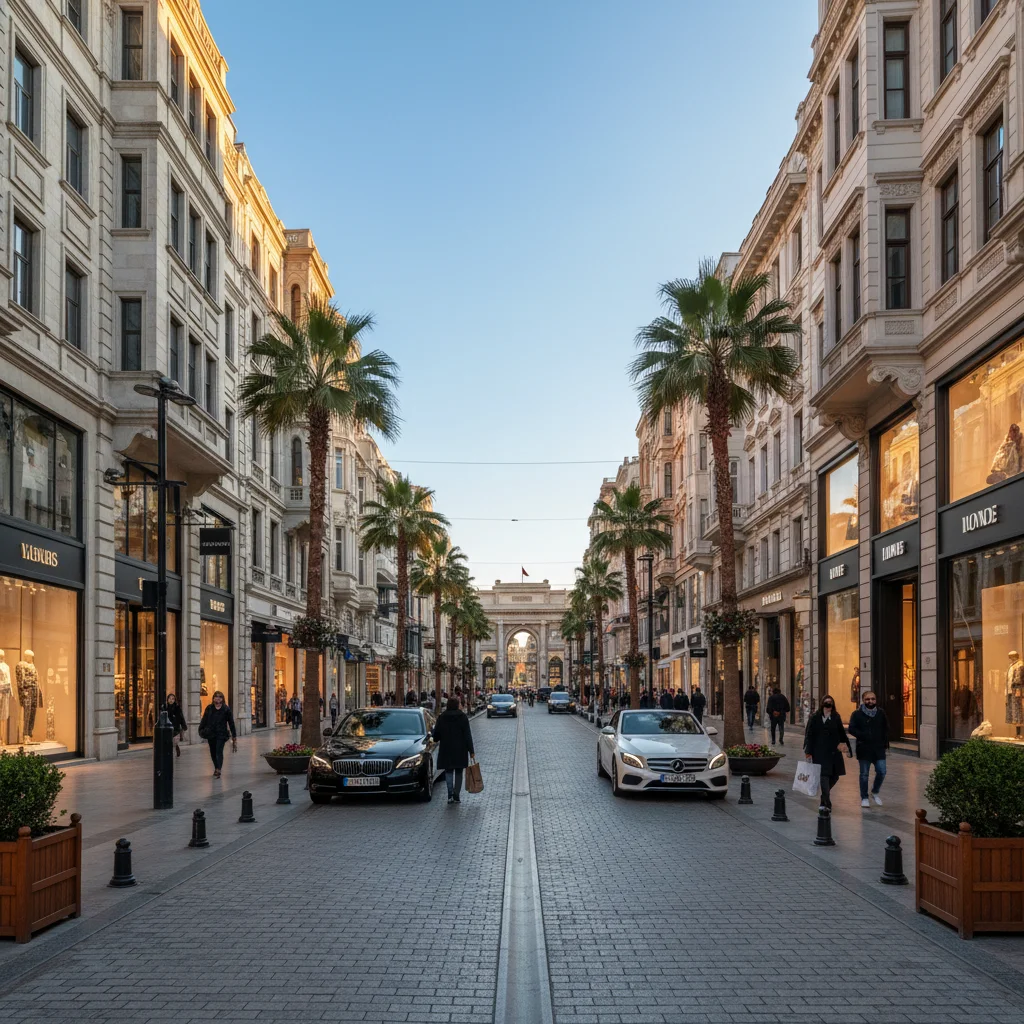
Often referred to as Istanbul's Fifth Avenue or Rue du Faubourg Saint-Honoré, Nişantaşı represents the pinnacle of luxury residential and retail integration. Abdi İpekçi Street hosts the world's leading fashion brands, including Chanel, Louis Vuitton, Hermès, and Prada, interspersed with high-end private medical clinics, boutique law firms, and Michelin-starred dining establishments.
From an investment viewpoint, Nişantaşı is characterized by its historical Art Nouveau architecture and limited development land, creating an environment of perpetual scarcity. Modern luxury branded residences developed under urban regeneration frameworks in this district command premium square-meter prices, often exceeding $7,000 to $12,000 per square meter in 2026. Investors acquiring assets here secure stable blue-chip tenants and elite long-term liquidity.
Stretching roughly 14 kilometers along the Anatolian coastline through the Kadıköy and Maltepe districts, Bağdat Avenue is a celebrated open-air retail promenade. The most prestigious segment, between Suadiye and Caddebostan, features expansive wide-pavement flagship stores, upscale cafes, and premium domestic and international retail brands.
Following comprehensive urban transformation programs over recent years, Bağdat Avenue now features modern, earthquake-engineered residential towers with integrated ground-floor retail. Residential units in this district are highly sought after by affluent Turkish families, international expatriates, and investors seeking high capital security. The continuous coastal recreation areas and immediate access to the Marmaray rapid transit rail further amplify asset values.
İstiklal Avenue remains Turkey’s most visited pedestrian boulevard, welcoming hundreds of thousands of local and international visitors daily. Running from Taksim Square to the historic Tünel funicular station, this 1.4-kilometer thoroughfare combines historic neo-classical buildings with high-street fashion, cultural centers, consulates, and historic arcades (Pasajlar).
Real estate along İstiklal and its immediate tributaries (such as Cihangir and Galata) offers tremendous commercial conversion potential. Investors frequently acquire historical buildings to repurpose into boutique hotels, creative office spaces, or luxury serviced apartments. These assets generate exceptional yields through short-term tourism rentals, directly fueled by the constant footfall of the Beyoğlu cultural belt.
Büyükdere Avenue in the Sarıyer and Beşiktaş municipalities is Istanbul’s central financial artery. This corridor houses premier luxury shopping centers that function as autonomous retail cities, including Kanyon, ÖzdilekPark, and Zorlu Center. Zorlu Center in particular is globally recognized for merging luxury retail, residences, office spaces, and performing arts complexes under one master plan.
Properties surrounding this corridor are the quintessential target for corporate real estate investment. Branded mixed-use residences here yield stable 6% to 8% annual net returns, driven by multinational corporate tenants, venture capital executives, and foreign diplomats.
Looking for the best real estate investment opportunity in Istanbul?
We help you choose the right property based on your budget and goals
Get a Free Consultation
Mecidiyeköy serves as one of Istanbul’s busiest public transportation junctions, connecting the M2 and M7 metro lines, the Metrobus network, and major highway interchanges. At its center stands Istanbul Cevahir, one of the largest shopping malls in Europe. Real estate in Mecidiyeköy balances high urban density with continuous rental demand, making smaller one- and two-bedroom apartments ideal for buy-to-let portfolios geared toward young professionals and university students.
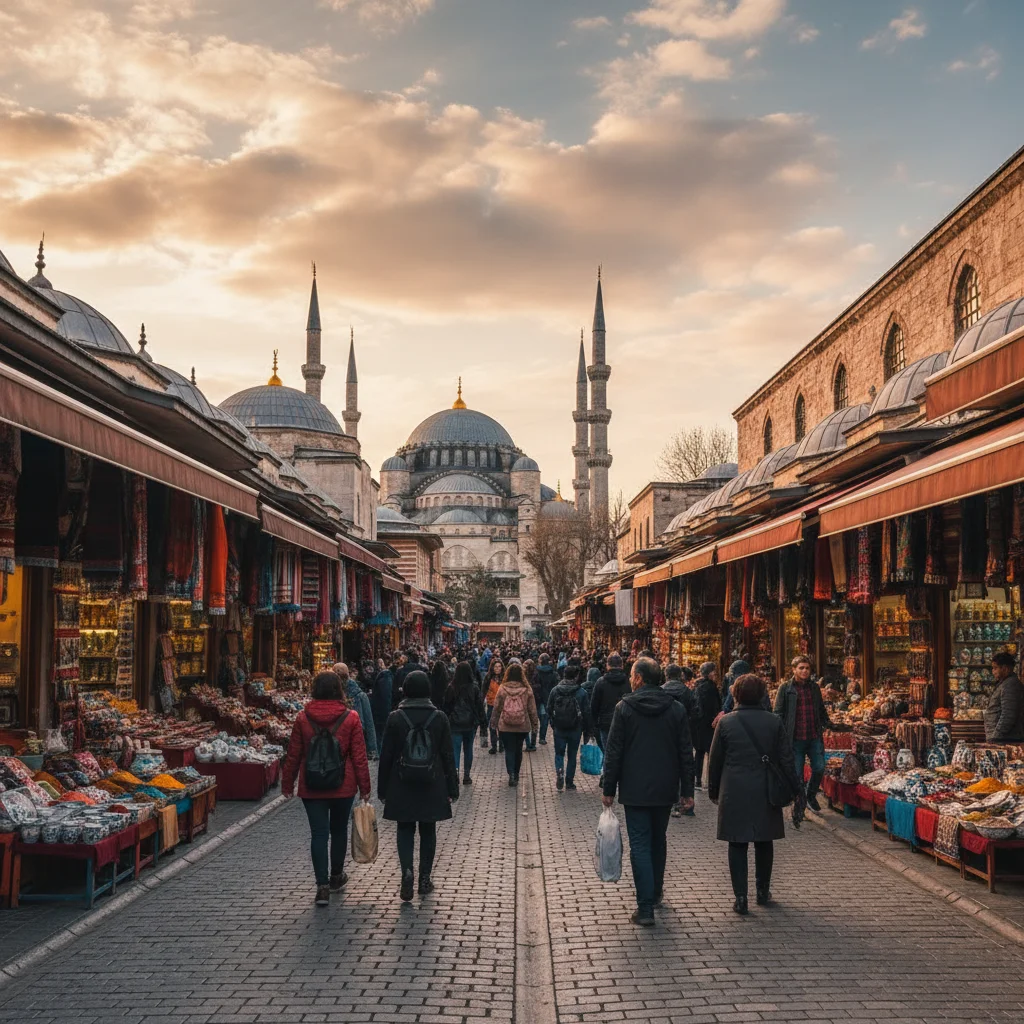
The Grand Bazaar (Kapalıçarşı) and surrounding Sultanahmet and Eminönü markets are living monuments to international trade. Operating since 1461, the Grand Bazaar contains thousands of shops specializing in gold, jewelry, leather, and Turkish textiles. While purchasing direct freehold commercial space inside the bazaar requires multi-generational connections and substantial capital reserves, properties in the surrounding Fatih perimeter present lucrative boutique hospitality and souvenir retail opportunities.
While Istanbul commands the majority of institutional investment, several secondary Turkish markets provide remarkable yields and capital expansion potential fueled by tourism, agriculture, and industry.
Antalya is not only Turkey’s tourism capital but also a major hub for foreign property acquisition. Key shopping zones directly impact local residential and commercial values:
As Turkey’s third-largest city, İzmir provides a relaxed lifestyle paired with a strong commercial engine. Key retail locations include:
In the Mugla province, the Bodrum Peninsula transforms into an elite playground each summer. Yalıkavak Marina represents the crown jewel of luxury Mediterranean retail, accommodating megayachts and housing global brands like Dior, Gucci, and Saint Laurent. Real estate surrounding Yalıkavak Marina comprises some of the most expensive private villas in the Mediterranean basin, with luxury residences routinely trading above $2 million to $10 million.
The table below provides a detailed structural breakdown of real estate dynamics adjacent to Turkey's leading shopping districts, highlighting asset types, rental performance, and market liquidity in 2026.
| District / Avenue | City | Primary Asset Class | Average Price/m² (USD, 2026) | Projected Net Yield | Target Tenant Profile |
|---|---|---|---|---|---|
| Abdi İpekçi (Nişantaşı) | Istanbul | Branded Residences / Retail Spaces | $7,500 – $13,000 | 4.5% – 5.5% | HNWIs, Diplomats, Luxury Retailers |
| Bağdat Avenue (Suadiye) | Istanbul | Modern Residential Flats / Flagships | $4,000 – $7,200 | 5.0% – 6.0% | Affluent Families, Corporate Executives |
| İstiklal Avenue (Beyoğlu) | Istanbul | Historic Buildings / Serviced Apts | $3,800 – $6,500 | 7.0% – 9.0% | Tourists, Digital Nomads, Creatives |
| Büyükdere (Levent/Maslak) | Istanbul | Skyscraper Condos / Grade-A Offices | $5,000 – $9,000 | 6.5% – 8.0% | Multinational Staff, Financial Firms |
| Lara & Terracity Corridor | Antalya | Holiday Condos / Street Commercial | $2,200 – $3,800 | 6.0% – 7.5% | International Retirees, Expatriates |
| Alsancak / Kordon | İzmir | Renovated Heritage / Urban Flats | $2,500 – $4,200 | 5.2% – 6.5% | Professionals, Boutique Operators |
| Yalıkavak Marina Basin | Bodrum | Detached Sea-view Luxury Villas | $6,000 – $15,000 | 5.5% – 7.0% (Seasonal) | Ultra-Affluent Seasonal Vacationers |
One of the primary driving forces behind international capital inflow into Turkish shopping districts is the Turkish Citizenship by Investment Program. Overseas buyers can secure direct citizenship for themselves and their immediate families (spouse and children under 18) by acquiring qualifying real estate.
Commercial shops, retail units, and mixed-use residential apartments situated inside or near major shopping centers represent an ideal avenue for CBI seekers. These properties effortlessly pass valuation tests due to documented foot traffic and established lease agreements, offering continuous rental returns throughout the mandatory 3-year holding period.
Investors entering Turkey's shopping districts must evaluate whether to target strictly commercial properties (such as street retail units or mall kiosks) or residential properties adjacent to these commercial zones.
Purchasing ground-floor retail on celebrated streets like İstiklal, Bağdat, or Halaskargazi Avenue comes with specific operational structures:
Alternatively, buying residential property in immediate proximity to these commercial avenues provides distinct benefits:
Looking for the best real estate investment opportunity in Istanbul?
We help you choose the right property based on your budget and goals
Get a Free Consultation
Successfully running an investment property in Turkey’s premier shopping hubs demands rigorous, local management expertise. Overseas owners typically engage specialized Turkish property management firms to oversee day-to-day operations and maximize yields.
Navigating property purchases in Turkey's premier retail districts follows a clear, legally secure procedure under the supervision of the General Directorate of Land Registry and Cadastre (TKGM):
Looking ahead toward 2030, Turkey's retail and urban property sector continues to evolve along three major structural vectors:
1. Pedestrianization and Green Corridors: Major municipal master plans in Istanbul, Izmir, and Ankara prioritize expanded car-free zones. Pedestrianized streets consistently see commercial retail revenues increase by 20% to 35%, elevating ground-floor commercial rental valuations.
2. Transit-Oriented Developments (TODs): With significant extensions of Istanbul’s automated M-series metro lines and high-speed intercity trains, retail hubs that function as integrated transit centers are capturing the highest market premiums.
3. Experience-Driven Mixed Retail: Modern developments are shifting away from traditional enclosed malls toward integrated open-air lifestyle centers. These environments combine luxury residential penthouses, green rooftop public gardens, boutique retail, and gourmet food halls, providing investors with resilient, future-proof assets.
Turkey’s famous shopping districts offer far more than world-class consumer retail therapy; they represent prime commercial and residential real estate assets characterized by sustained high demand, resilient capital growth, and reliable foreign currency yields. Whether targeting the high-fashion avenues of Nişantaşı, the lively seaside promenade of Bağdat Caddesi, or the luxury marina enclaves of Bodrum, investors can leverage these premier locations to construct high-performance property portfolios while securing permanent residency or Turkish citizenship.
Information and industry insights sourced from leading Turkish real estate platforms and consultancies:
• Emlak Platform: emlakplatform.com.tr
• Mbany Real Estate: mbany.com
• Massar Istanbul: massaristanbul.com