US Dollar - USD
- Turkish Lira - TRY
- US Dollar - USD
- Euro - EUR
- Pound sterling - GBP
- Russian Ruble - RUB
- Chinese Yuan - CNY
- Georgian lari - GEL
- Saudi Riyal - SAR
- UAE Dirham - AED
- Syrian Pound - SYP
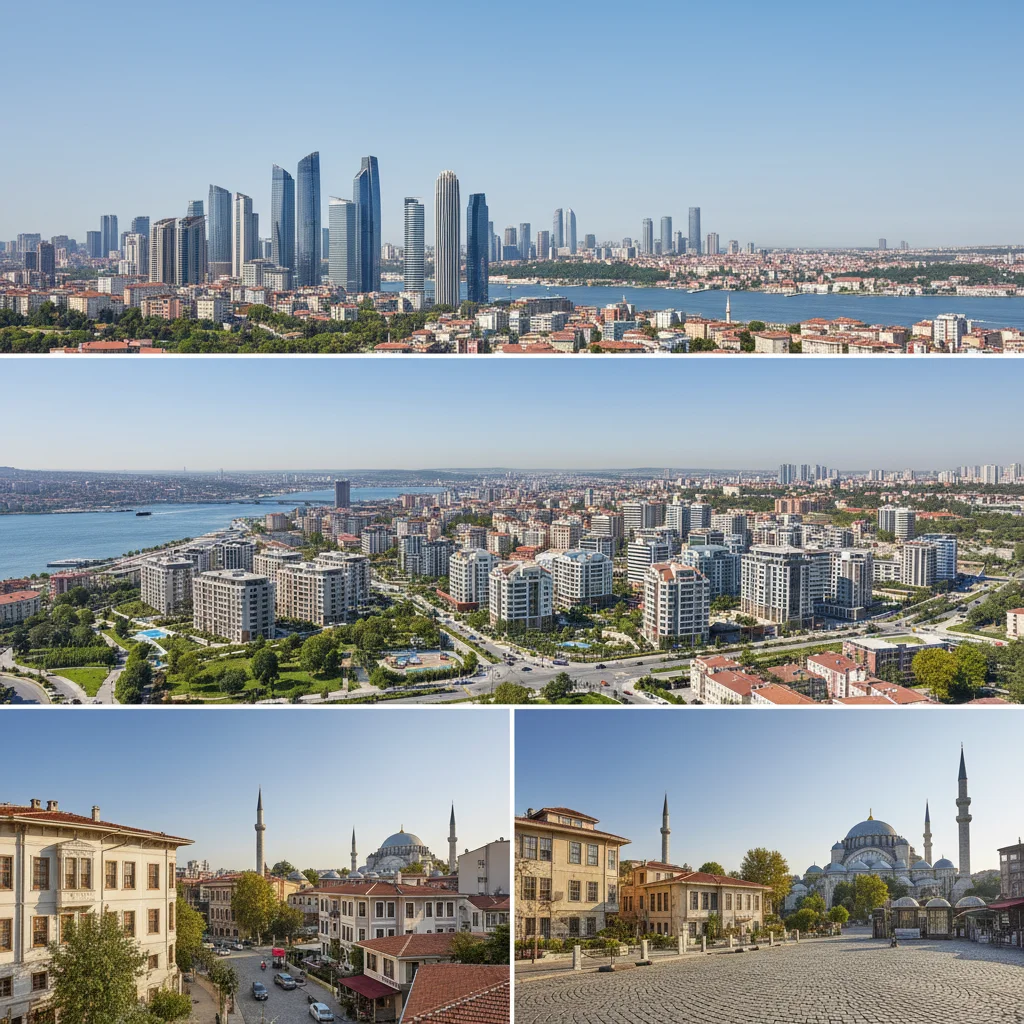
Istanbul represents one of the world's most dynamic megacities, bridging Europe and Asia across a strategic geographic footprint of over 5,300 square kilometers. Entering 2026, the metropolis continues to experience sustained structural demand fueled by population growth, major transit initiatives, urban regeneration (Kentsel Dönüşüm), and sustained foreign direct investment. For cross-border investors, fund managers, and private buyers seeking either capital preservation, high rental yields, or qualification for the Turkish Citizenship by Investment (TCBI) program, choosing the right district is the primary determinant of long-term return on investment (ROI).
The macroeconomic environment of Turkey in 2026 is defined by monetary stabilization, institutional regulatory reforms, and targeted real estate appraisal policies that protect foreign capital. Consequently, speculative purchases have given way to data-driven asset allocation. Understanding the micro-markets within both the European and Asian sides of the city allows investors to optimize their entry points, anticipate gentrification cycles, and secure properties with high exit liquidity.
Real estate performance across Istanbul does not move uniformly. Instead, localized appreciation correlates directly with specific infrastructure developments, master-planned commercial centers, and legal frameworks introduced over the last few years.
The continued rollout of Istanbul's comprehensive rail system—specifically the expansion of the M11 airport link, the M7 western extensions, and high-speed Marmaray interconnectors—has drastically cut commute times between suburban growth hubs and the Central Business District (CBD). Neighborhoods positioned within an 800-meter radius of operational rail nodes consistently show an annual 12% to 18% premium in rental velocity over non-connected zones.
Seismic resilience remains at the core of domestic housing demand. Amendments to Turkey’s Urban Transformation Law have streamlined the demolition and reconstruction of pre-2000 building stock. Areas undergoing systematic urban renewal, such as Kadıköy, Kağıthane, and Zeytinburnu, offer investors the opportunity to buy modern, earthquake-resistant assets built to strict contemporary eurocodes, capturing strong capital gains as entire quarters modernize.
Situated in Ataşehir and Ümraniye on the Asian side, the operational maturity of the Istanbul International Financial Center has permanently altered the corporate real estate map. Housing domestic and multinational banking institutions, asset managers, and fintech entities, the IIFC drives consistent tenant demand for high-end residential towers, serviced apartments, and grade-A commercial stock within a 10-kilometer radius.
Looking for the best real estate investment opportunity in Istanbul?
We help you choose the right property based on your budget and goals
Get a Free Consultation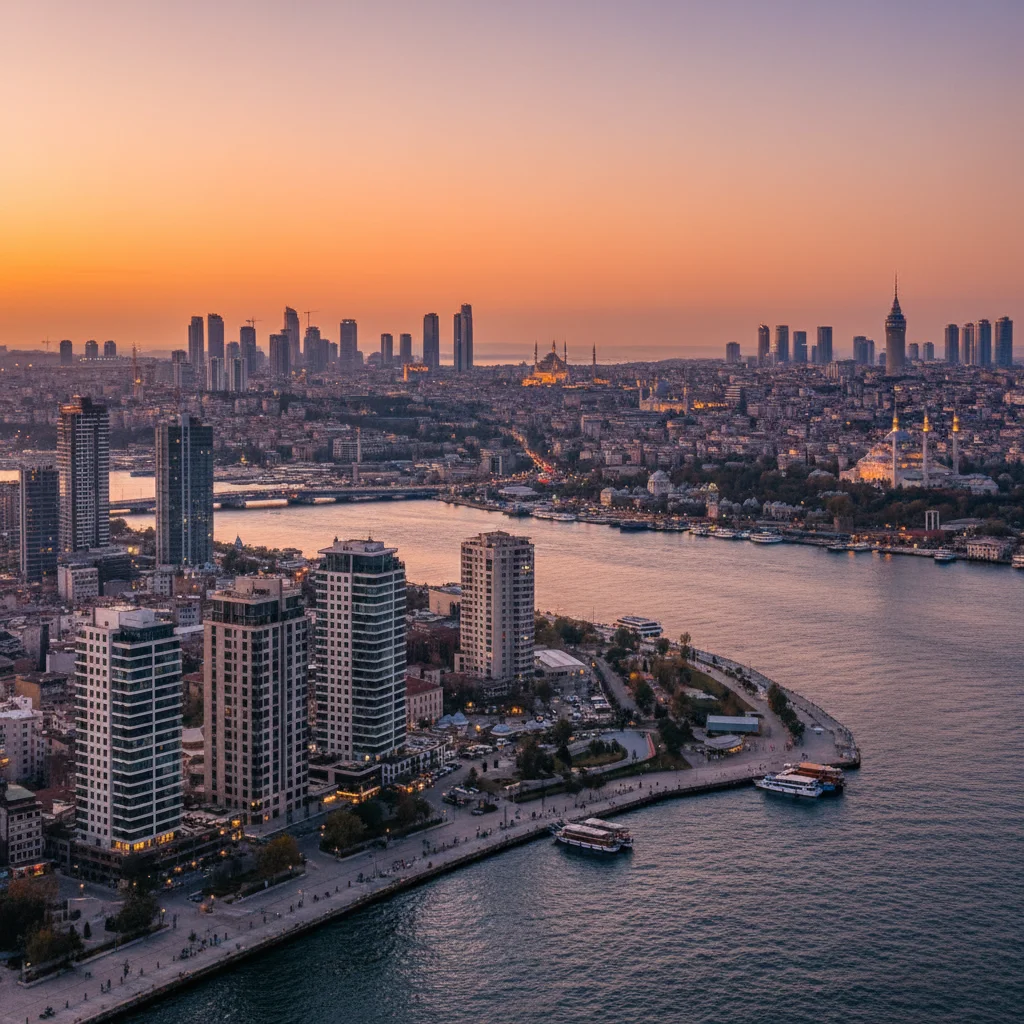
The European side contains Istanbul's historical trade center, core financial districts, and the principal western urban expansion corridors. It attracts the lion's share of international capital due to brand familiarity, lifestyle appeal, and proximity to Istanbul Airport.
Kağıthane has transformed from an industrial river valley into one of the city's most successful regeneration success stories. Located directly adjacent to the elite business hubs of Levent and Maslak, Kağıthane offers modern branded residences at roughly 45% to 55% of the entry price seen on Büyükdere Avenue.
Başakşehir is widely recognized as the flagship planned district of modern Istanbul. Developed with wide boulevards, extensive green parks, and the massive Çam and Sakura City Hospital complex, it has become a preferred destination for international families and GCC investors seeking culturally aligned, community-oriented living.
For investors focused on affordable entry points paired with solid cash flow, the coastal western belt of Beylikdüzü and Avcılar continues to outperform. The expansion of West Istanbul Marina, combined with extensive coastal master plans, has elevated these areas from secondary dormitory towns to lifestyle destinations.
Running along the Sea of Marmara shoreline just outside the ancient walls of Constantinople, Zeytinburnu and Bakırköy present an exclusive investment tier. These districts offer ultra-luxury coastal real estate with panoramic sea views, proximity to the Historic Peninsula, and direct access to the Eurasia Tunnel.
Looking for the best real estate investment opportunity in Istanbul?
We help you choose the right property based on your budget and goals
Get a Free Consultation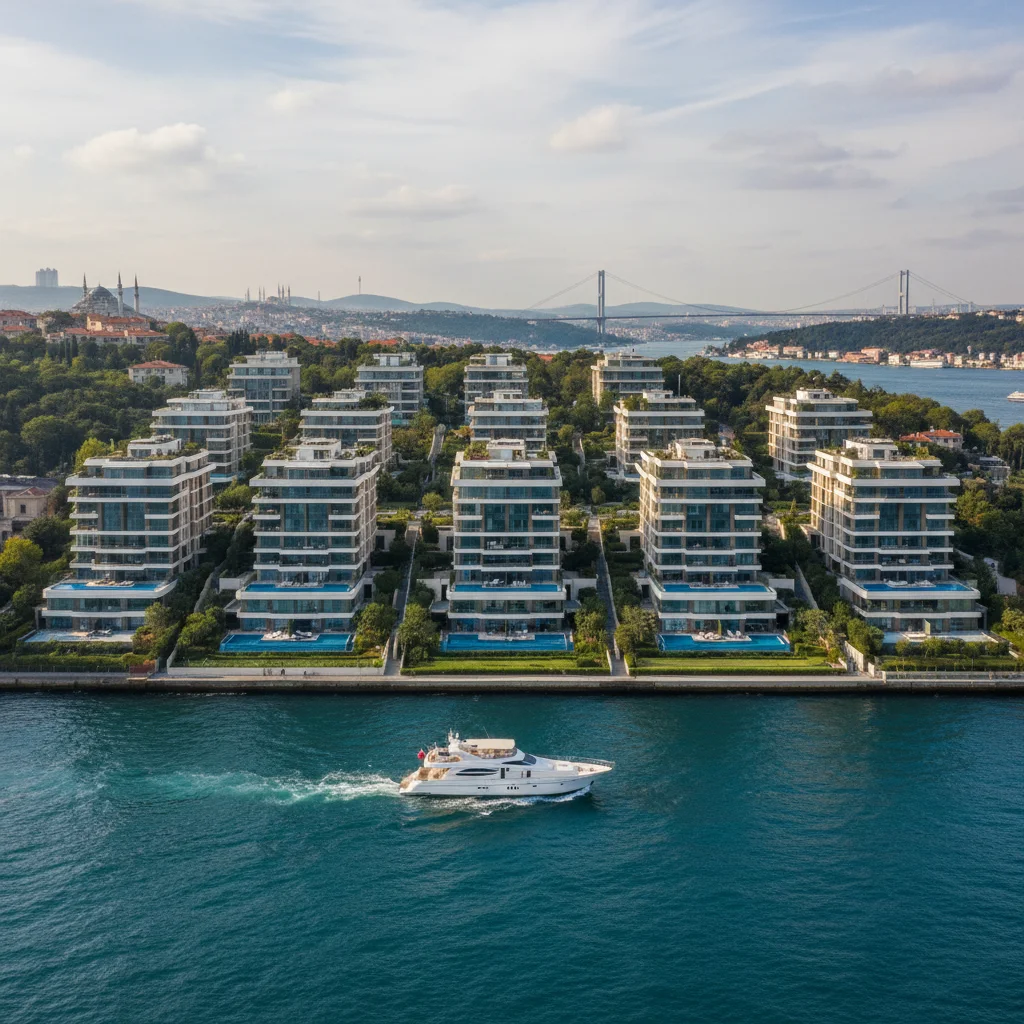
The Asian side of Istanbul offers a distinct investment profile: mature residential communities, higher domestic purchasing power, elevated green space ratios, and exceptional lifestyle infrastructure along the Marmara coast and Bosphorus strait.
Kadıköy is the cultural and economic beating heart of the Anatolian side. The historic thoroughfare of Bağdat Avenue (Bağdat Caddesi) represents one of the world's most prestigious open-air luxury shopping streets, flanked by prime residential developments that have undergone complete earthquake-resilient reconstruction.
Spurred by the multi-phase deployment of the IIFC, the contiguous districts of Ataşehir and Ümraniye have seen substantial corporate consolidation. What was once predominantly a local residential zone has transformed into a high-density institutional hub.
Driven by post-pandemic shifts toward spacious, private living, Çekmeköy and Sancaktepe offer villa communities and low-rise residential projects nestled beside the northern forest belt. With the completion of regional metro links, these tranquil districts are now easily accessible from the urban core.
To assist in portfolio balancing, the following table presents an analytical comparison across Istanbul's prime investment corridors, reflecting real-world performance benchmarks:
| District | Primary Investment Thesis | Average Price Range (USD / m²) | Average Gross Rental Yield (%) | Target Liquidity Profile |
|---|---|---|---|---|
| Kağıthane | Rental Yield & Urban Regeneration | $2,400 – $3,800 | 6.5% – 7.8% | Fast / Domestic & Expat |
| Başakşehir | Family Living & TCBI Compliance | $2,100 – $3,200 | 5.5% – 6.5% | Moderate / Regional Investors |
| Kadıköy | Capital Preservation & Blue-Chip Real Estate | $4,200 – $7,500 | 4.5% – 5.5% | Very Fast / Prime Domestic |
| Ataşehir / Ümraniye | Commercial & Financial Workforce Demand | $2,800 – $4,500 | 6.2% – 7.2% | Fast / Corporate & Finance |
| Beylikdüzü | Affordable Entry & Cash Flow | $1,300 – $2,100 | 7.0% – 8.2% | Moderate / Domestic Working Class |
| Zeytinburnu | Ultra-Luxury Coastal & Wealth Storage | $4,500 – $9,000 | 4.0% – 5.2% | Moderate / Global HNWIs |
Acquiring real estate as a pathway to Turkish citizenship remains a major catalyst for international purchases in Istanbul. While the statutory threshold stands firmly at $400,000 USD (or its equivalent in foreign currency), successful execution in 2026 requires meticulous legal compliance.
Maximizing returns extends beyond the initial purchase price; efficient operational management is what protects net yields. Recent regulations have introduced transparency and operational standards that every property owner must navigate.
The regulatory framework governing short-term residential leasing (such as Airbnb and vacation rentals) mandates that properties rented for fewer than 100 consecutive days must obtain an official tourism residence license from the Ministry of Culture and Tourism. Crucially, obtaining this permit requires unanimous (100%) consent from all apartment owners within the building, unless the property is located in an officially designated high-grade "Residans" project with independent operational charters permitting daily rentals.
Investors intending to pursue dynamic short-term yields must prioritize explicitly certified hotel-apartments and serviced complexes that possess pre-approved tourism licenses built into their condominium charters, particularly in central areas such as Şişli, Beyoğlu, and Kağıthane.
For standard residential leases, rental escalation caps correlate with the twelve-month average Consumer Price Index (TÜFE). Drafting solid lease contracts with corporate tenants, securing formal eviction undertakings (Tahliye Taahhütnamesi) executed concurrently with the lease start date, and utilizing professional property management firms ensures steady rental recovery without prolonged legal disputes.
To mitigate risk and ensure seamless acquisition, all prospective purchasers should adhere to a strict legal and operational due diligence process:
Istanbul's real estate market in 2026 continues to reward selective, well-researched investors. The era of generic, speculative property buying across undifferentiated suburban fringes has matured into an institutional market that prizes connectivity, construction quality, legal transparency, and tenant appeal.
Whether allocating capital toward high-performing urban regeneration apartments in Kağıthane, family-centric gated communities in Başakşehir, blue-chip capital preservation units on Kadıköy’s Bağdat Avenue, or commercial-adjacent residences near the Istanbul International Financial Center, strategic investors who align their acquisition criteria with the city’s major transit corridors and structural demographic trends are well-positioned to achieve robust long-term financial returns.
Market insights, historical transaction data, and regulatory frameworks referenced in this article were sourced and verified through leading real estate platforms and advisory entities, including Emlak Platform, Mbany Real Estate, and Massar Istanbul.