US Dollar - USD
- Turkish Lira - TRY
- US Dollar - USD
- Euro - EUR
- Pound sterling - GBP
- Russian Ruble - RUB
- Chinese Yuan - CNY
- Georgian lari - GEL
- Saudi Riyal - SAR
- UAE Dirham - AED
- Syrian Pound - SYP
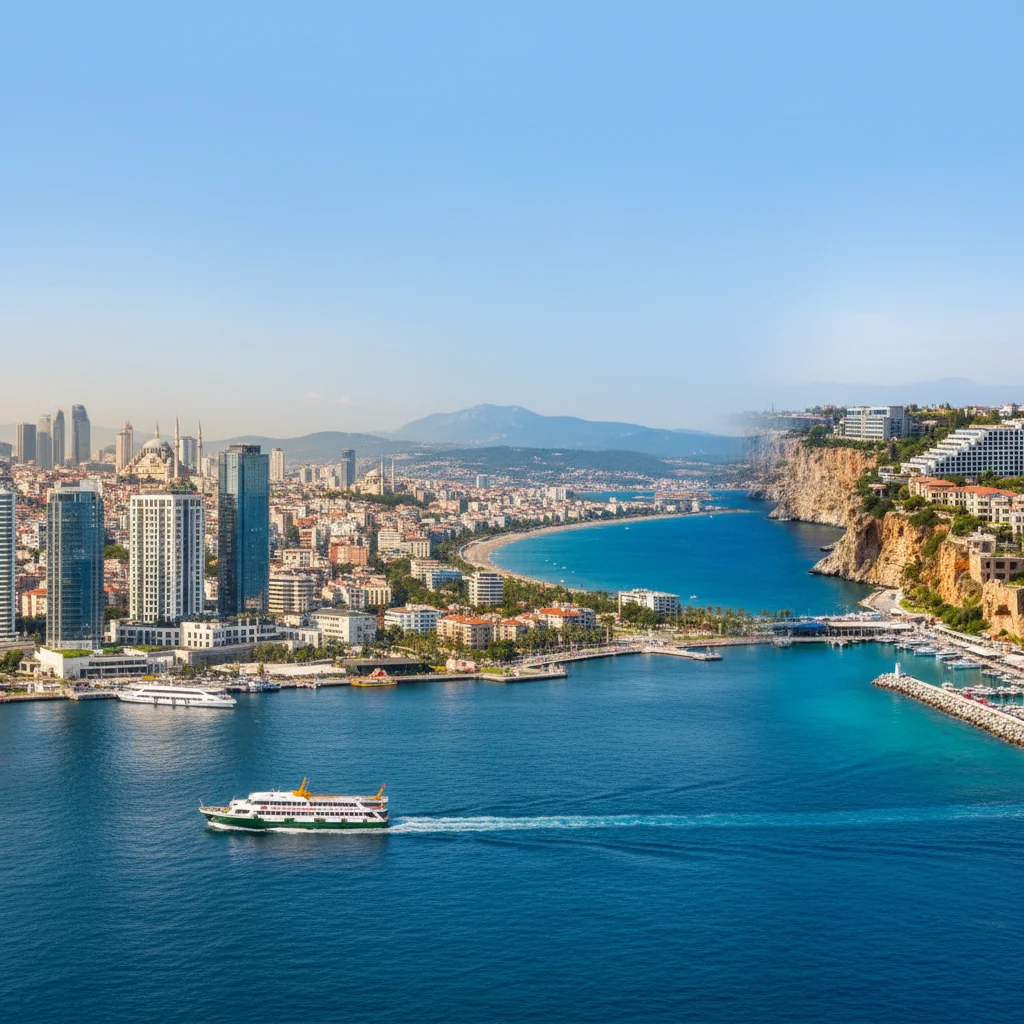
Turkey continues to stand as one of the most dynamic real estate corridors in the world, bridging European financial infrastructure with Middle Eastern and Asian capital. Over the past decade, the Turkish property landscape has transformed from a speculative vacation-home market into an institutionalized, multi-billion-dollar asset class driven by demographic expansion, massive public infrastructure projects, and strategic citizenship programs.
Entering 2026, foreign investors face an evolving macroeconomic framework. Tightened monetary policies, institutionalized rental regulations, revised valuation standards, and an established $400,000 minimum threshold for the Turkish Citizenship by Investment (CBI) program have filtered out low-tier developments. Today, success requires precision: understanding micro-locations, municipal zoning laws, currency-hedging rental yields, and structural build quality under post-earthquake building codes.
Whether you seek high-yield residential buy-to-let units, commercial logistics assets, or trophy waterfront villas that preserve multi-generational wealth, choosing the correct city determines your exit strategy, liquidity, and yield profile. Below is an exhaustive breakdown of the premier Turkish cities for real estate acquisition, supported by empirical market trends and legislative data.
Looking for the best real estate investment opportunity in Istanbul?
We help you choose the right property based on your budget and goals
Get a Free Consultation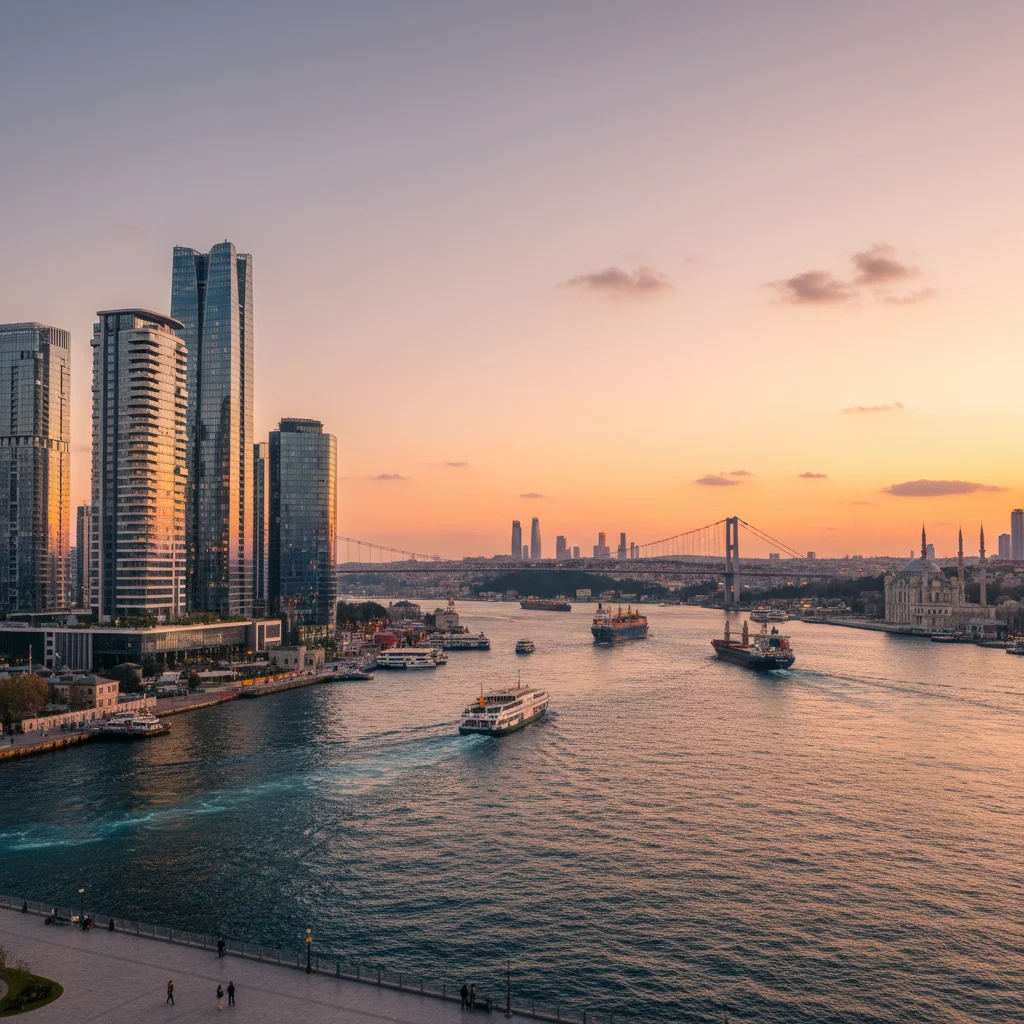
Istanbul is not merely a city; it is a mega-economy contributing over 30% of Turkey's national Gross Domestic Product (GDP). With an official population exceeding 16 million residents and an annual influx of business professionals, international students, and medical tourists, residential vacancy rates in prime districts consistently hover below 3%.
Investors dividing the city between its European and Asian sides find vastly different capital dynamics across municipal districts:
Average gross rental yields in Istanbul range between 5.0% and 7.5%, depending on whether an asset is positioned in historical tourist centers or emerging peripheral master plans. Capital appreciation remains heavily tied to transit nodes; projects situated within 500 meters of operational metro stations command an average 20% to 28% resale premium over car-dependent complexes.
Antalya has outgrown its traditional reputation as a seasonal summer retreat. Today, it operates as an active, year-round metropolitan zone powered by aerospace logistics, agricultural exports, and a thriving digital nomad and expatriate community from Europe, Central Asia, and the Gulf states.
Antalya's coastline presents divergent investment profiles across its primary municipalities:
Investors targeting Antalya must account for the Ministry of Culture and Tourism's regulations on residential short-term leasing (the "Airbnb Law"). Leases under 100 days require 100% consent from co-owners within the building and formal hospitality licensing. As a result, capital in 2026 has pivoted toward purpose-built residential hotels and developers offering fully licensed, on-site management teams.
Looking for the best real estate investment opportunity in Istanbul?
We help you choose the right property based on your budget and goals
Get a Free Consultation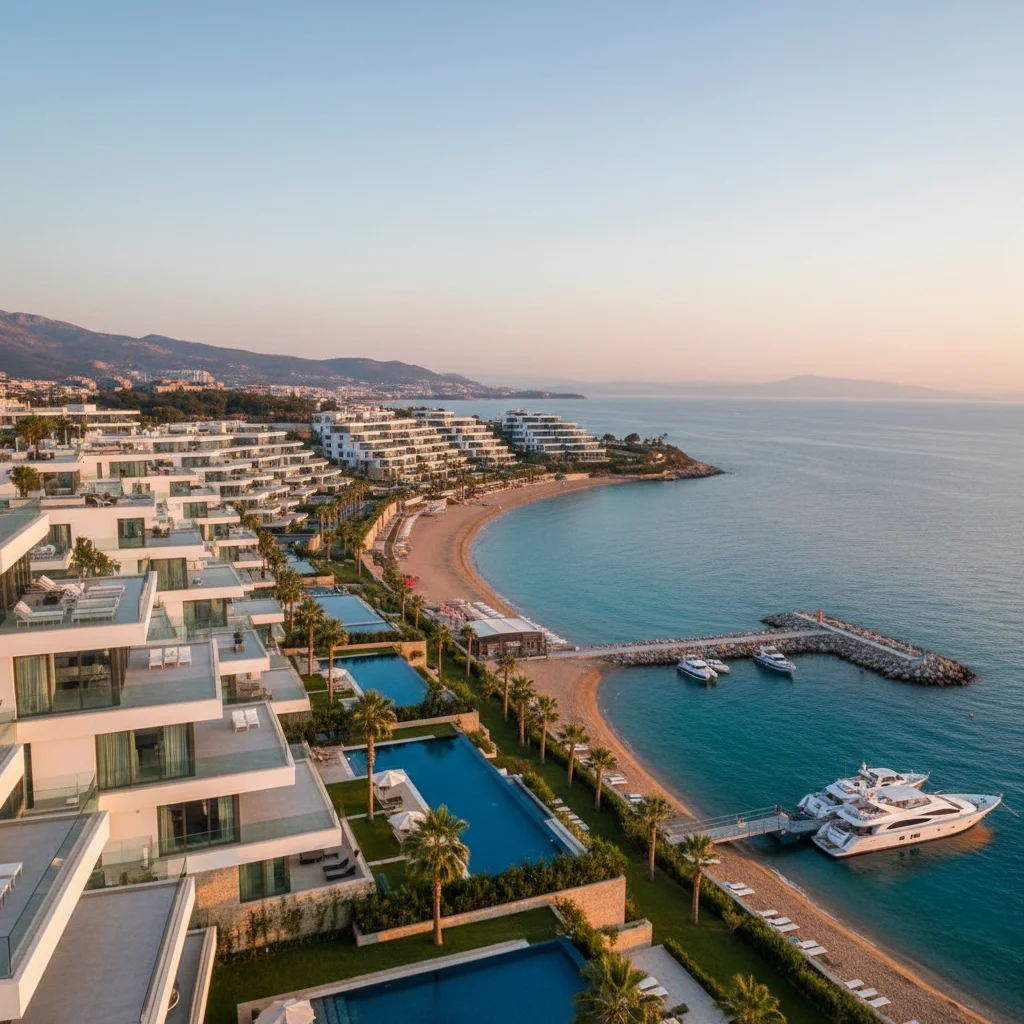
While foreign capital disproportionately flows into coastal and financial capitals, institutional investors frequently favor Ankara for unshakeable tenancy fundamentals. As Turkey's capital, Ankara's rental market is anchored by civil servants, diplomats, military command personnel, and a student population spread across more than 20 universities.
Ankara's real estate ecosystem is predominantly driven by high-income domestic tenancies and embassy deployments:
Ankara experiences far less price volatility than tourism-centric markets. Because speculative off-plan foreign buying is minimal, property valuations align directly with real domestic purchasing power and actual local wages, guaranteeing superior exit liquidity when selling to Turkish citizens.
Located along the southern shore of the Marmara Sea, Bursa balances heavy automotive and textile manufacturing with thermal tourism and historic Ottoman architecture. Following the opening of the Osmangazi Suspension Bridge and high-speed highway networks, travel time between central Istanbul and Bursa has dropped to roughly 90 minutes, turning Bursa into a vital commercial satellite.
Foreign investors—particularly from GCC countries—have historically prioritized Bursa due to its cooler climate, lush greenery, and family-oriented social structure:
İzmir is Turkey's third-largest metropolis, revered for its progressive social fabric, Aegean lifestyle, and thriving maritime logistics sector. Over the last five years, high living costs in Istanbul have sparked a domestic "brain drain," with thousands of tech founders, architects, and corporate executives relocating their families to İzmir.
Investment opportunities in İzmir span both urban corporate developments and premier coastal resorts:
For investors seeking low-capital entry thresholds and rapid speculative equity growth, Mersin has emerged as an active frontier. Situated on the southeastern Mediterranean coast, Mersin boasts Turkey's largest international sea port, petrochemical transit hubs, and the newly operational Çukurova International Airport.
Districts such as Mezitli, Erdemli, and Tece have witnessed immense international residential construction. While average square-meter prices in Istanbul and Antalya frequently surpass $2,500 to $4,500, quality coastal residential projects in Mersin remain accessible between $1,000 and $1,600 per square meter. However, investors must exercise stringent due diligence regarding developer balance sheets, municipal occupancy permits (İskan), and infrastructure delivery timelines.
The following table synthesizes baseline market indicators across Turkey's leading real estate hubs to assist cross-border portfolio allocation:
| City | Primary Investment Thesis | Avg. Gross Rental Yield | Target Tenant Demographic | Liquidity / Exit Speed |
|---|---|---|---|---|
| Istanbul | Capital Preservation & Global Commerce | 5.2% – 7.5% | Corporate, International, Students | High (Domestic & Global) |
| Antalya | Tourism, Short-Term Let & Relocation | 6.0% – 8.5% | Expatriates, Tourists, Nomads | Moderate to High |
| Ankara | Government, Institutional Stability | 6.2% – 7.8% | Diplomats, Civil Servants, Students | High (Domestic Primary) |
| Bursa | Industrial Core & Regional Commuting | 5.5% – 7.0% | Engineers, Families, GCC Nationals | Moderate |
| İzmir | Domestic Migration & Aegean Lifestyle | 4.8% – 6.5% | Corporate Relocators, Tech Sector | Moderate to High |
| Mersin | Low Entry Price & Capital Growth | 6.5% – 8.8% | Industrial Workers, Budget Foreigners | Moderate to Low |
Acquiring real estate in Turkey as an international buyer involves strict statutory controls governed by the General Directorate of Land Registry and Cadastre (Tapu ve Kadastro Genel Müdürlüğü).
Under the established investment framework, non-Turkish nationals can obtain Turkish Citizenship for themselves, their spouse, and dependent children under 18 by acquiring real estate holding a minimum total value of $400,000 USD (or foreign currency equivalent). Key legal conditions include:
Property owners utilizing rental platforms such as Airbnb or Vrbo must hold an official tourism operation permit from the Ministry of Culture and Tourism. Non-compliant operations face administrative fines and property seals. If you intend to run short-term holiday rentals, prioritize developments designed with municipal "Tourism Residence" (Turizm Konutu) zoning, which legally pre-authorizes hospitality operations.
Navigating the acquisition process with clarity ensures legal security and eliminates hidden transactional risks:
Long-distance ownership demands systematic operational oversight. Managing residential or commercial investments in Turkey across different time zones presents distinct challenges that require active administration:
Standard Turkish residential lease contracts default to renewable terms governed by the Turkish Code of Obligations. Lease adjustments are legally tied to the twelve-month rolling average of the Consumer Price Index (TÜFE). To protect rental yields against currency fluctuations, foreign property owners targeting foreign tenants or corporate expatriates frequently negotiate contracts denominated in or indexed to hard currencies (where legally compliant) or structure shorter, fixed-term leases.
Eviction proceedings in Turkey can take time without proper documentation. Ensure your property manager executes a notarized Eviction Undertaking (Tahliye Taahhütnamesi) simultaneously with the lease agreement. This instrument legally obligates the tenant to vacate the premises upon contract expiration without prolonged court litigation.
Turkey offers structural depth, urban regeneration incentives, and attractive yields for real estate investors who execute carefully. Institutional capital requiring liquidity, deep tenant demand, and global connectivity should focus on master-planned infrastructure nodes across Istanbul and central business corridors in Ankara. Investors prioritizing high seasonal rental yields and personal holiday utility find Antalya and coastal İzmir compelling, while value investors can capture long-term equity growth across industrial powerhouses like Bursa and logistics hubs like Mersin.
By pairing thorough on-the-ground municipal due diligence with specialized legal counsel and clear property management oversight, foreign investors can protect their capital and generate dependable, risk-adjusted returns across Turkey's most resilient property markets.
Market insights, legal frameworks, and statistical baselines sourced from industry platforms and licensed research consultancies: