.png)
US Dollar - USD
- Turkish Lira - TRY
- US Dollar - USD
- Euro - EUR
- Pound sterling - GBP
- Russian Ruble - RUB
- Chinese Yuan - CNY
- Georgian lari - GEL
- Saudi Riyal - SAR
- UAE Dirham - AED
Turkish citizenship by birth is governed by well-defined legal principles that determine who automatically becomes a Turkish citizen at the moment of birth. The Turkish Citizenship Law, updated in 2009, establishes clear pathways for acquiring citizenship through birth, primarily based on parental citizenship and specific territorial conditions.
Turkey follows both jus sanguinis (right of blood) and limited jus soli (right of soil) principles, making it possible for children to acquire Turkish citizenship through various circumstances surrounding their birth.
The primary method of acquiring Turkish citizenship by birth is through Turkish parentage. According to Article 7 of the Turkish Citizenship Law, the following conditions apply:
Children born out of wedlock can acquire Turkish citizenship through:
Looking for the best real estate investment opportunity in Istanbul?
We help you choose the right property based on your budget and goals
Get a Free Consultation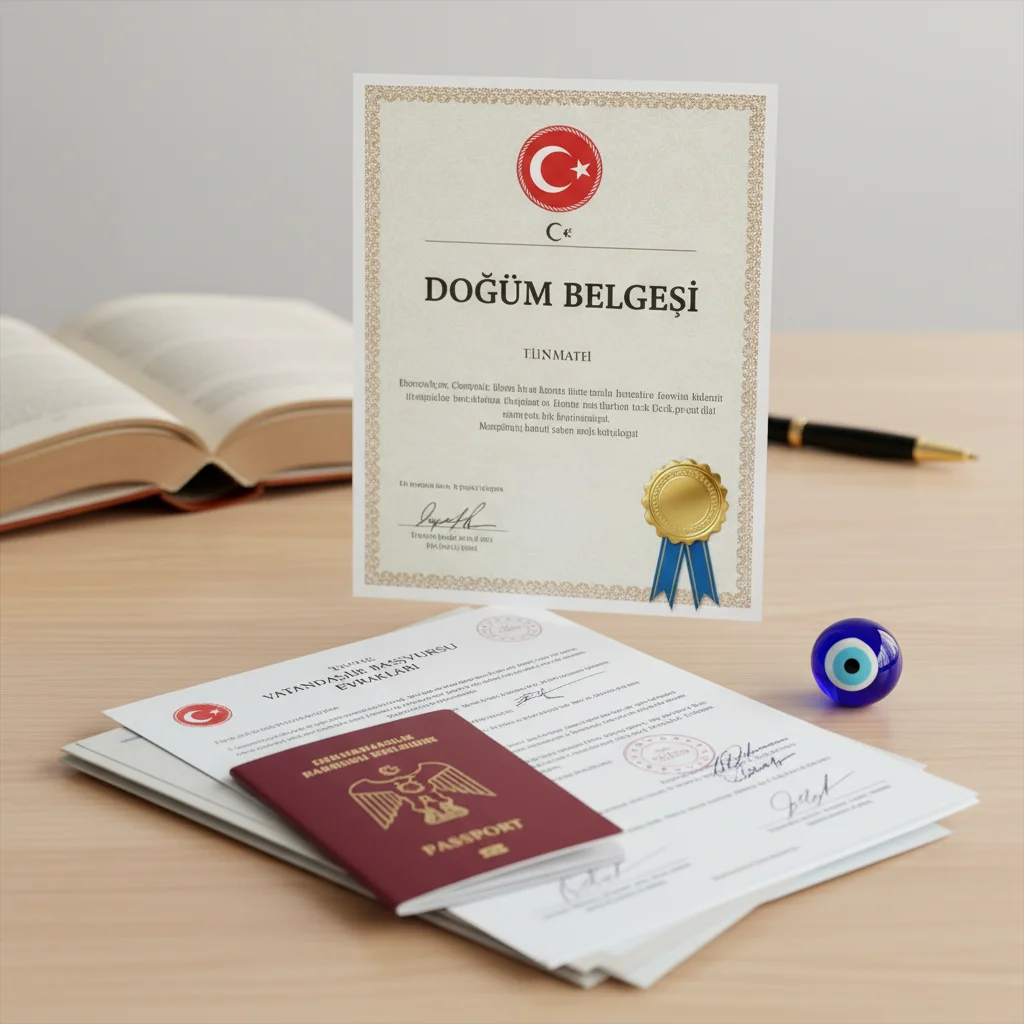
Turkey applies limited jus soli principles in specific circumstances:
Children born on Turkish territory may acquire citizenship if:
| Document Type | Purpose | Issuing Authority |
|---|---|---|
| Birth Certificate | Proof of birth details | Civil Registration Office |
| Parents' ID Documents | Citizenship verification | Population Services |
| Marriage Certificate | Parental relationship proof | Civil Registration |
| Medical Birth Report | Birth confirmation | Hospital/Medical Center |
Parents must register their child's birth within 30 days at the local Civil Registration Office. The process includes:
Turkish citizens' children born in foreign countries can acquire Turkish citizenship through:
Adopted children can acquire Turkish citizenship when:

Turkish citizens by birth immediately enjoy:
Male Turkish citizens by birth are subject to mandatory military service requirements, which can be fulfilled through:
Turkey generally permits dual citizenship for those who acquire Turkish citizenship by birth. Key considerations include:
Families may encounter challenges such as:
Complex cases may require professional legal assistance for:
Recent updates to Turkish citizenship law include:
Turkish citizenship by birth provides a fundamental pathway to Turkish nationality based on well-established legal principles. Understanding the requirements, documentation needs, and procedures ensures smooth acquisition of citizenship rights for eligible children. Families should promptly complete registration requirements and seek professional guidance when facing complex circumstances.
Information sourced from Emlak Platform - emlakplatform.com.tr and Mbany Real Estate - mbany.com