.png)
US Dollar - USD
- Turkish Lira - TRY
- US Dollar - USD
- Euro - EUR
- Pound sterling - GBP
- Russian Ruble - RUB
- Chinese Yuan - CNY
- Georgian lari - GEL
- Saudi Riyal - SAR
- UAE Dirham - AED
Turkey's strategic location bridging Europe and Asia creates a unique tapestry of regions, each offering distinct advantages for property investors and those seeking citizenship through investment. This comprehensive travel guide explores Turkey's key regions, highlighting their investment potential, lifestyle benefits, and property market dynamics for international buyers considering Turkish residency or citizenship by investment programs.
The country's diverse geography spans seven regions, each with unique characteristics that appeal to different investor profiles. From the cosmopolitan energy of Istanbul to the Mediterranean tranquility of Antalya, understanding regional differences is crucial for making informed property investment decisions in Turkey.
Istanbul dominates Turkey's property investment landscape, accounting for approximately 40% of all foreign property purchases. The city's dual continental position creates unique neighborhoods with distinct characteristics, from the historic Sultanahmet district to the modern financial centers in Levent and Maslak.
Property prices in Istanbul vary significantly by district, with luxury developments in Besiktas, Sisli, and Kadikoy commanding premium prices. The city's robust rental market, driven by a population exceeding 15 million, provides strong rental yield potential for property investors.
Looking for the best real estate investment opportunity in Istanbul?
We help you choose the right property based on your budget and goals
Get a Free Consultation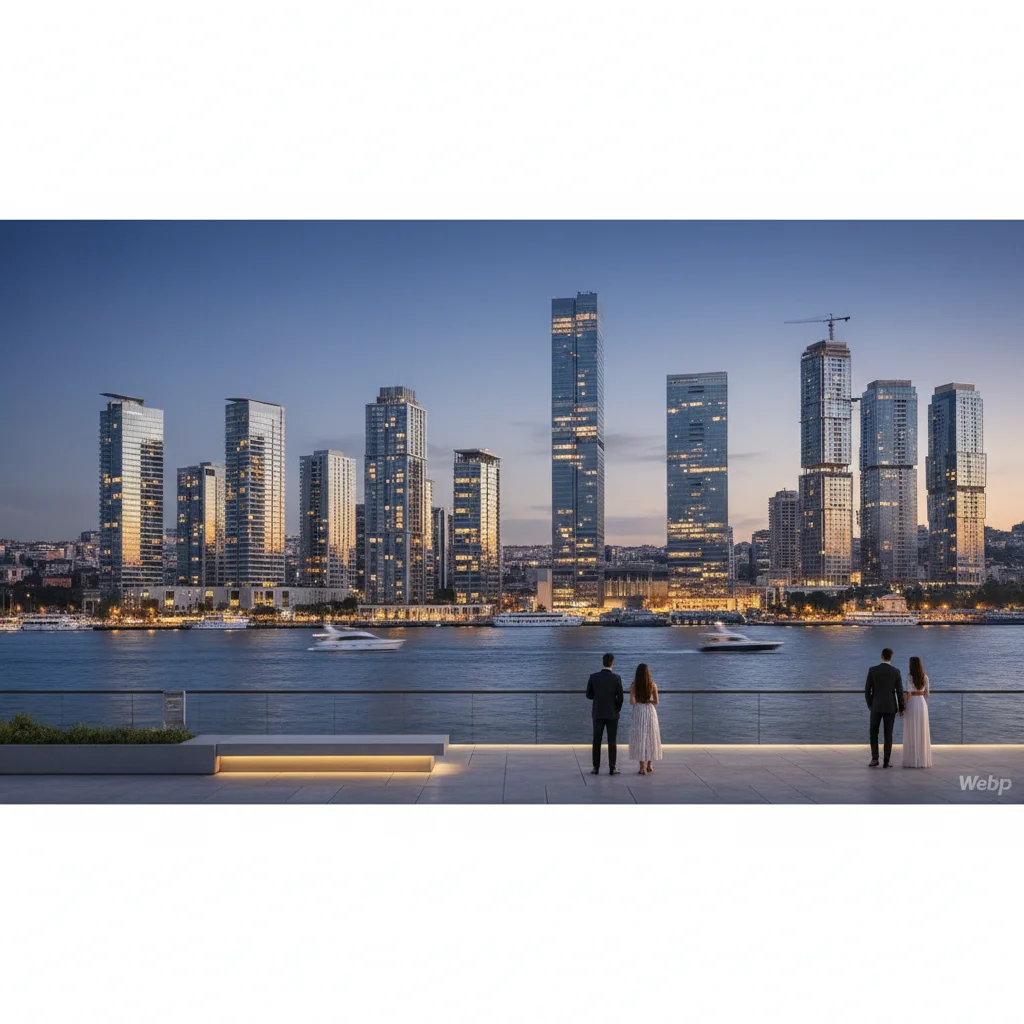
Bursa, Turkey's former Ottoman capital, combines historical significance with industrial prowess. The city's automotive industry, anchored by major manufacturers, creates steady employment and housing demand. Property prices remain significantly lower than Istanbul while offering similar urban amenities.
The city's proximity to Istanbul (90 minutes by car) makes it attractive for investors seeking lower entry costs with growth potential. Bursa's thermal springs and ski resorts add tourism value to property investments.
Izmir's liberal atmosphere and Mediterranean climate attract both Turkish and international residents. The city's port activities and university presence create stable rental demand, while ongoing urban renewal projects enhance property values.
Coastal districts like Karsiyaka and Bornova offer waterfront living with reasonable property prices. The city's growing tech sector and planned airport expansion signal future growth potential for property investors.
These Aegean coastal towns represent Turkey's luxury property market, attracting high-net-worth individuals seeking second homes or citizenship by investment. Property prices reflect their premium status, but rental yields from tourism can be substantial during peak seasons.
Bodrum's marina developments and international airport connectivity make it particularly attractive for foreign property buyers. Kusadasi's proximity to ancient Ephesus adds cultural value to property investments.
Antalya province leads Turkey in foreign property sales, accounting for nearly 30% of all international purchases. The region's year-round tourism, international airport connections, and established expatriate communities create ideal conditions for property investment.
The region's established property management infrastructure makes it particularly suitable for absentee owners seeking rental income. Many developments cater specifically to foreign buyers, offering services in multiple languages.
Looking for the best real estate investment opportunity in Istanbul?
We help you choose the right property based on your budget and goals
Get a Free Consultation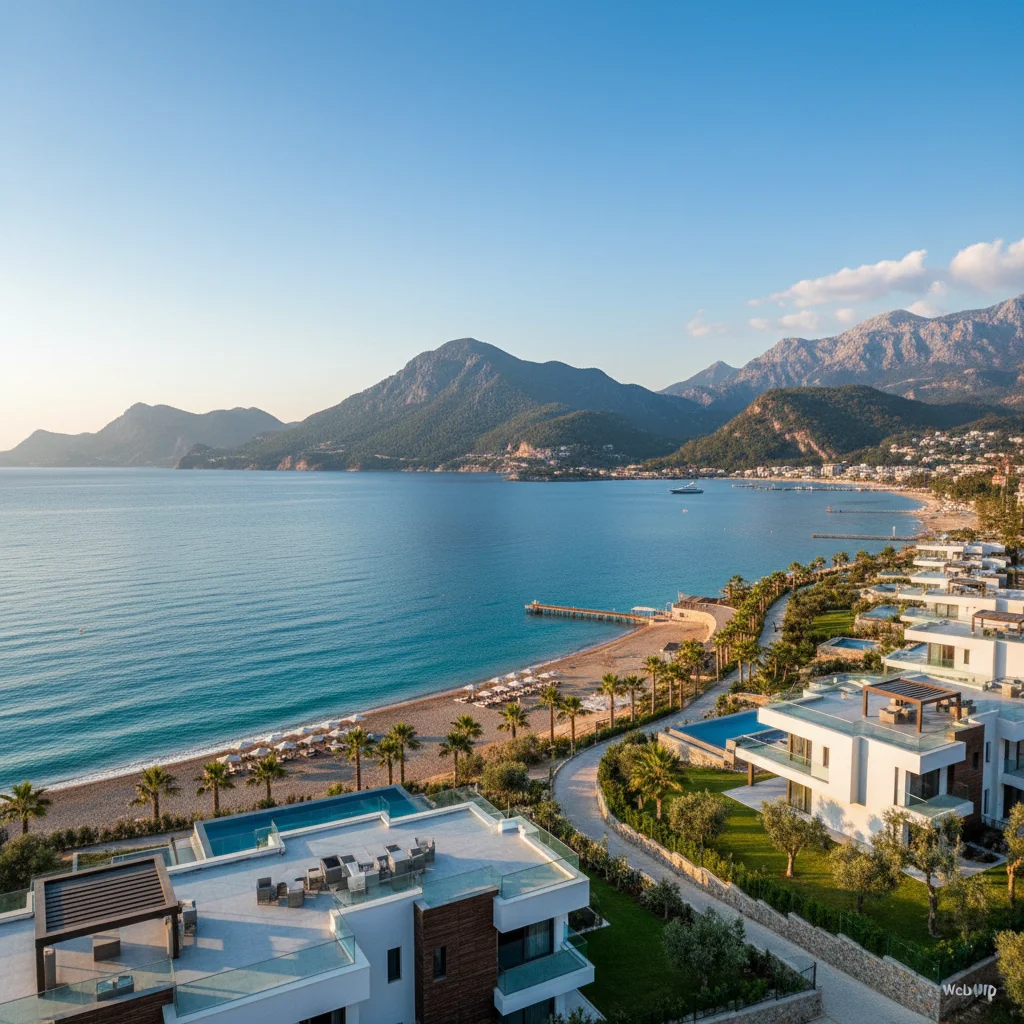
Mersin's port activities and agricultural wealth create economic stability often overlooked by property investors. The city offers significantly lower property prices than other Mediterranean destinations while providing similar climate benefits.
Recent infrastructure investments, including highway connections and port expansions, suggest future growth potential. Property investors seeking early-stage opportunities may find Mersin attractive.
As Turkey's capital, Ankara offers political stability and government employment that creates steady property demand. The city's universities and research institutions attract educated residents, supporting rental markets.
Property prices in Ankara remain moderate compared to Istanbul and coastal areas, while offering urban amenities and cultural attractions. The city's planned high-speed rail connections will enhance its investment appeal.
Cappadocia's otherworldly landscape creates unique property investment opportunities in boutique hotels and vacation rentals. The region's UNESCO World Heritage status protects its tourism appeal while limiting development, potentially supporting property values.
Cave hotels and restored historical properties command premium rates from international tourists. However, investors should understand local regulations governing historical property renovations.
Trabzon's growing popularity among Middle Eastern tourists creates emerging property investment opportunities. The city's airport serves multiple international destinations, facilitating tourism and business travel.
Property prices remain low compared to Mediterranean destinations, but growing tourism and regional development suggest potential appreciation. The city's tea and hazelnut industries provide economic diversity.
These regions offer the lowest property prices in Turkey but require careful consideration of local conditions. Government development initiatives and natural resources create long-term potential, but investors should thoroughly research local markets and regulations.
Cities like Gaziantep and Diyarbakir have historical significance and growing economies, but may not suit all foreign property buyers' preferences or investment goals.
Turkey's citizenship by investment program requires a minimum property investment of $400,000, making regional selection crucial for program participants. Properties must be held for three years, emphasizing the importance of choosing locations with strong fundamentals.
Most citizenship by investment participants choose properties in Istanbul, Antalya, or other established markets due to liquidity concerns and resale potential.
Regional differences in property management infrastructure significantly impact investment success. Coastal tourism areas generally offer more developed management services, while emerging markets may require more hands-on involvement.
Established markets like Istanbul and Antalya feature numerous professional property management companies offering comprehensive services including tenant placement, maintenance, and financial reporting. These services typically charge 8-12% of rental income.
Emerging markets may have limited professional management options, requiring investors to develop local relationships or manage properties directly.
Turkish property markets show regional variation in performance and outlook. Istanbul and Antalya maintain strong international demand, while emerging markets like Trabzon show growth potential but higher risk profiles.
Turkey's ongoing infrastructure investments, including new airports, highways, and rail connections, will significantly impact regional property values. The Istanbul Canal project, new airport developments, and high-speed rail expansions create investment opportunities in previously overlooked areas.
Foreign property ownership regulations vary by region, with military zones and border areas having restrictions. Most popular investment regions allow unrestricted foreign ownership, but investors should verify current regulations.
Proper due diligence includes title verification, zoning compliance, and tax status confirmation. Regional differences in local government efficiency and documentation standards require experienced legal representation.
Turkish banks offer limited financing to foreign property buyers, typically requiring substantial down payments and higher interest rates. Regional banking relationships can facilitate transactions and ongoing property management.
Major Turkish banks maintain branches in primary investment markets, while smaller cities may have limited international banking services. This factor influences property management and rental income collection efficiency.
Regional cultural differences impact expatriate experiences and property investment success. Coastal areas generally offer more international communities, while interior regions provide authentic Turkish cultural experiences.
Istanbul and Antalya host the largest expatriate communities, providing support networks and services in multiple languages. Smaller markets may offer more limited international community support.
Language barriers vary by region, with tourist areas generally offering more English-language services than interior cities. This factor affects property management ease and rental market access.
Successful Turkish property investment requires matching regional characteristics with investor goals. First-time investors often benefit from established markets with professional management infrastructure, while experienced investors might consider emerging markets for higher growth potential.
Diversifying across multiple Turkish regions can reduce risk while capturing different market dynamics. Combining urban rental properties with coastal vacation rentals creates balanced income streams.
Turkey's regional diversity creates numerous property investment opportunities for different investor profiles and goals. Understanding regional characteristics, market dynamics, and infrastructure developments enables informed investment decisions that align with personal objectives and risk tolerance.
Whether seeking Turkish citizenship through investment, rental income generation, or long-term capital appreciation, regional selection significantly impacts investment success. Professional guidance from experienced real estate professionals familiar with local markets enhances investment outcomes while minimizing risks.
The Turkish property market's continued evolution, supported by government initiatives and infrastructure development, creates ongoing opportunities across multiple regions. Investors who thoroughly research regional characteristics and maintain realistic expectations can successfully participate in Turkey's dynamic property market.
Information sourced from: Emlak Platform, Mbany Real Estate, and Massar Istanbul.