.png)
US Dollar - USD
- Turkish Lira - TRY
- US Dollar - USD
- Euro - EUR
- Pound sterling - GBP
- Russian Ruble - RUB
- Chinese Yuan - CNY
- Georgian lari - GEL
- Saudi Riyal - SAR
- UAE Dirham - AED
Turkey stands as one of the world's most archaeologically rich nations, hosting over 18,000 registered archaeological sites that span millennia of human civilization. From ancient Greek theaters to Byzantine churches and Ottoman palaces, these historical treasures significantly influence the country's real estate landscape and investment opportunities. Understanding the distribution and significance of these archaeological zones is crucial for property investors seeking to maximize their returns while contributing to cultural preservation.
The strategic location of Turkey at the crossroads of Europe and Asia has made it a cultural melting pot throughout history. This unique positioning has resulted in an extraordinary concentration of archaeological sites that attract millions of tourists annually, creating substantial economic opportunities for property investors and real estate developers.
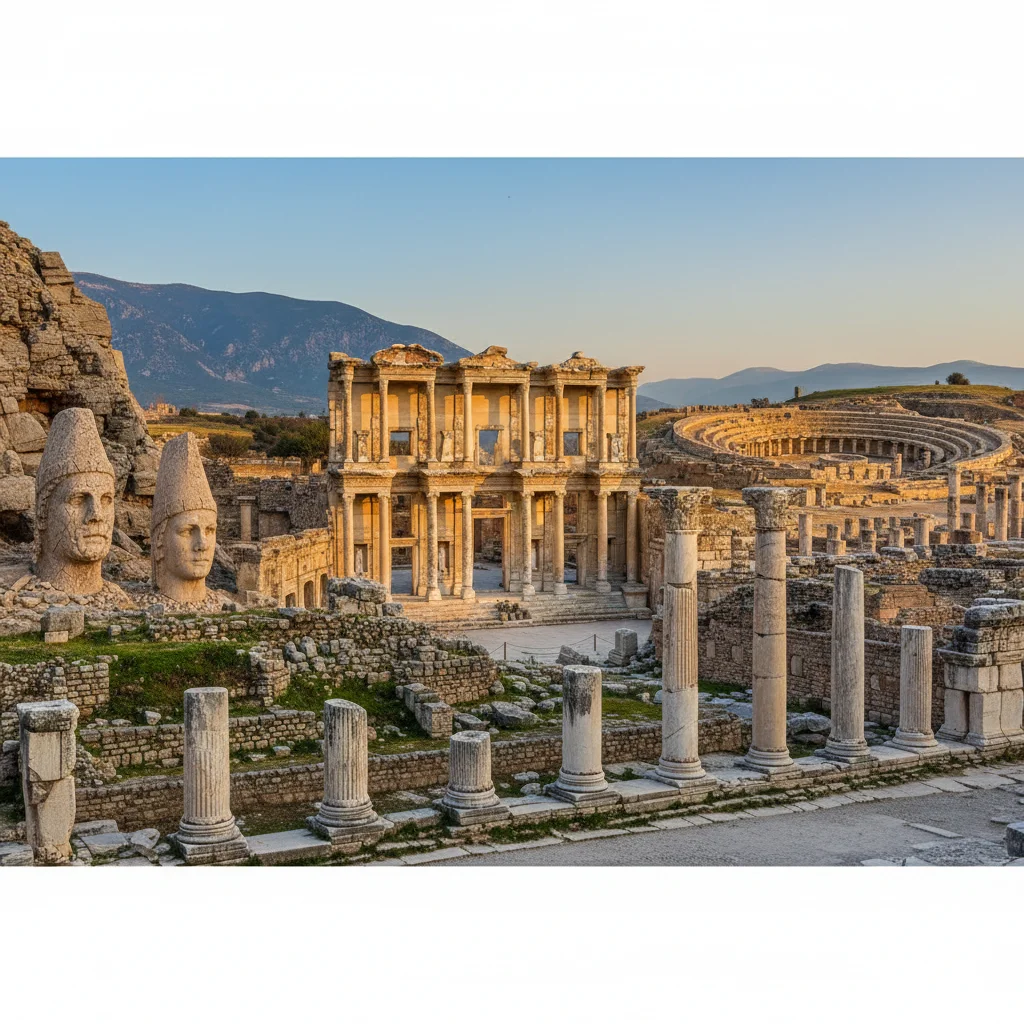
The Aegean region represents Turkey's most densely packed archaeological zone, featuring world-renowned sites that drive significant tourism revenue and property demand. This region offers exceptional opportunities for investors interested in vacation rentals, boutique hotels, and residential developments.
Real estate investments near Ephesus benefit from year-round tourist flow, with over 2 million visitors annually. Properties in Selçuk and nearby villages command premium prices due to their proximity to this UNESCO World Heritage site. Investors focusing on short-term rentals report occupancy rates exceeding 70% during peak seasons.
Looking for the best real estate investment opportunity in Istanbul?
We help you choose the right property based on your budget and goals
Get a Free Consultation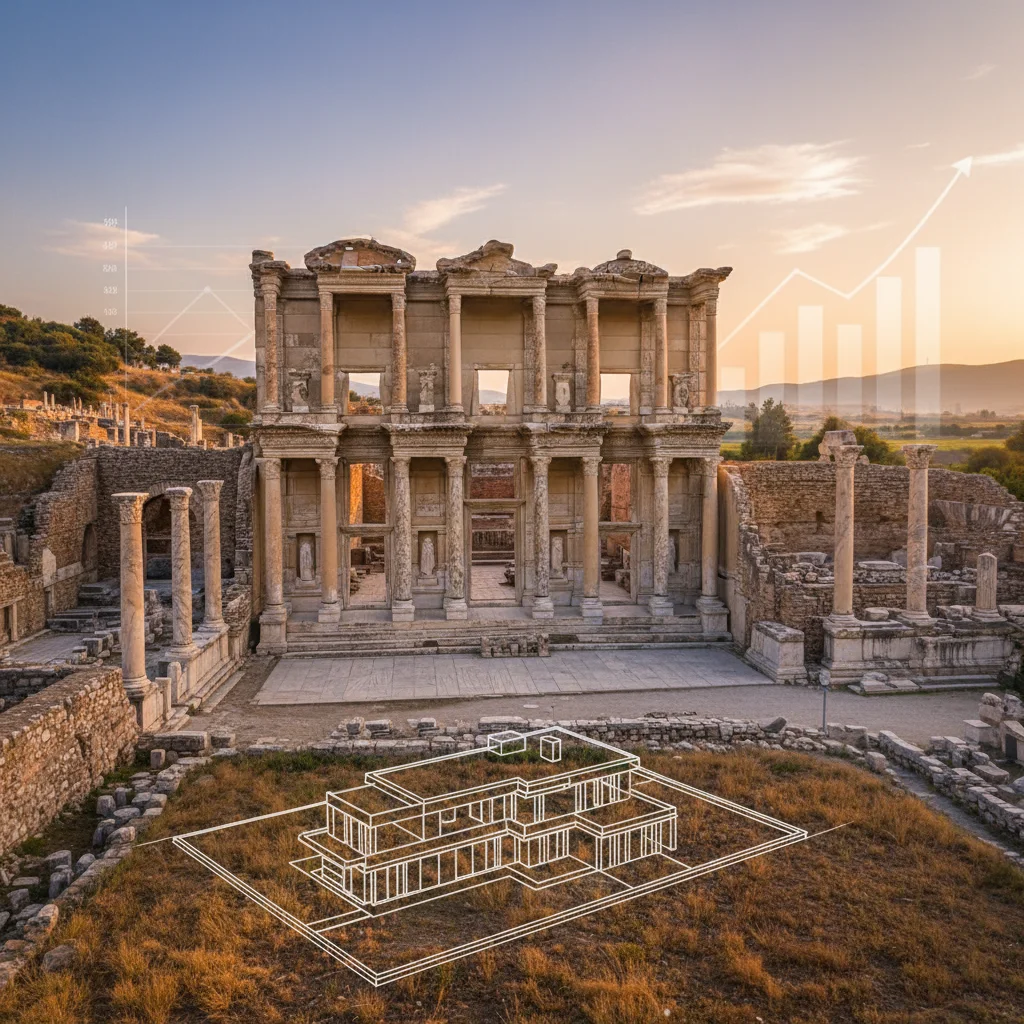
Cappadocia represents one of Turkey's most unique archaeological and geological regions, combining natural rock formations with extensive underground cities and Byzantine cave churches. This area has become a hotspot for luxury tourism and high-end property investments.
The Cappadocia region has experienced remarkable property value appreciation, with cave hotels and boutique accommodations generating exceptional returns. Foreign investors, particularly from the Gulf states and Europe, have shown strong interest in acquiring properties for conversion into luxury hospitality ventures.
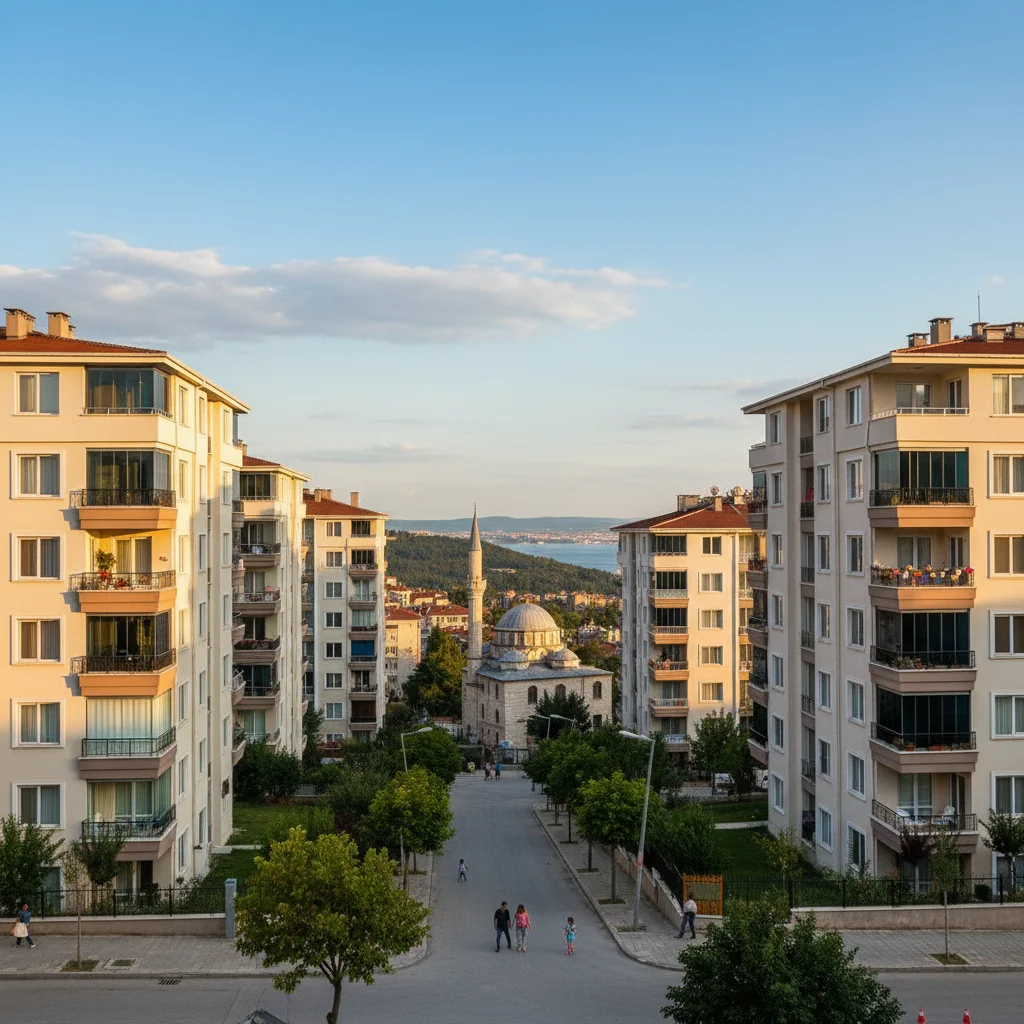
Istanbul's Historical Peninsula, designated as a UNESCO World Heritage site, contains numerous archaeological treasures that significantly impact local property values and investment strategies. The concentration of Byzantine and Ottoman monuments creates unique opportunities for heritage tourism-focused investments.
Properties within walking distance of these major archaeological sites command premium prices, with apartments in restored Ottoman buildings fetching 40-60% above city averages. The area attracts both cultural tourists and investors seeking properties with historical significance.
The Bosphorus strait features numerous archaeological sites including Byzantine fortresses, Ottoman waterfront mansions (yalı), and ancient settlements. Waterfront properties near these historical landmarks represent some of Istanbul's most valuable real estate assets.
Looking for the best real estate investment opportunity in Istanbul?
We help you choose the right property based on your budget and goals
Get a Free Consultation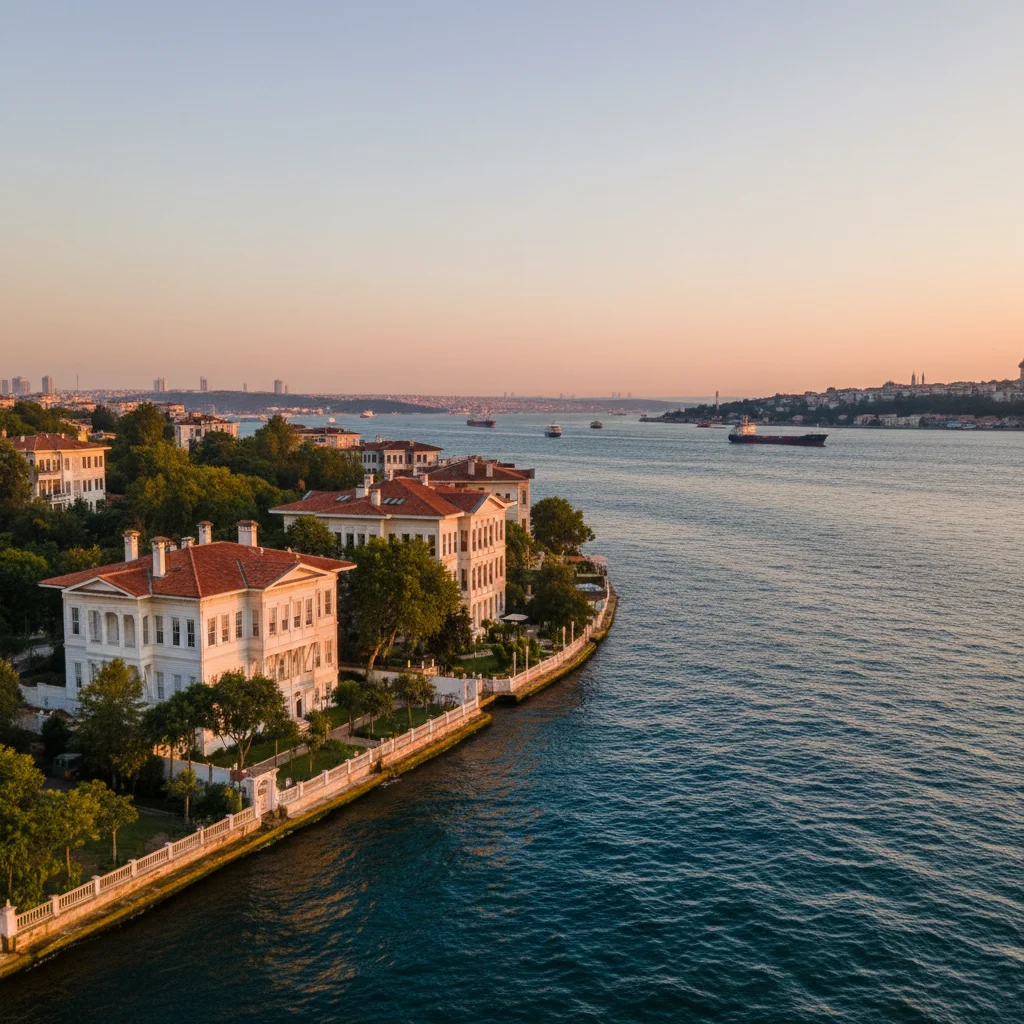
The Mediterranean coast of Turkey, particularly around Antalya, hosts numerous ancient cities that boost the region's appeal for both tourism and real estate investment. The combination of archaeological heritage, natural beauty, and modern amenities creates exceptional investment opportunities.
Real estate developments near these archaeological sites benefit from cultural tourism, with properties designed as vacation homes or rental investments showing strong performance. The Turkish Riviera's archaeological heritage adds cultural depth to what might otherwise be purely beach-focused tourism.
The ancient Lycian civilization left distinctive rock-cut tombs and cities along Turkey's southwestern coast. This unique archaeological heritage creates niche investment opportunities in areas like Kaş, Kalkan, and Fethiye.
Eastern Turkey contains remarkable archaeological sites that are beginning to attract investment attention as tourism infrastructure develops. These areas offer ground-floor opportunities for investors willing to enter emerging markets.
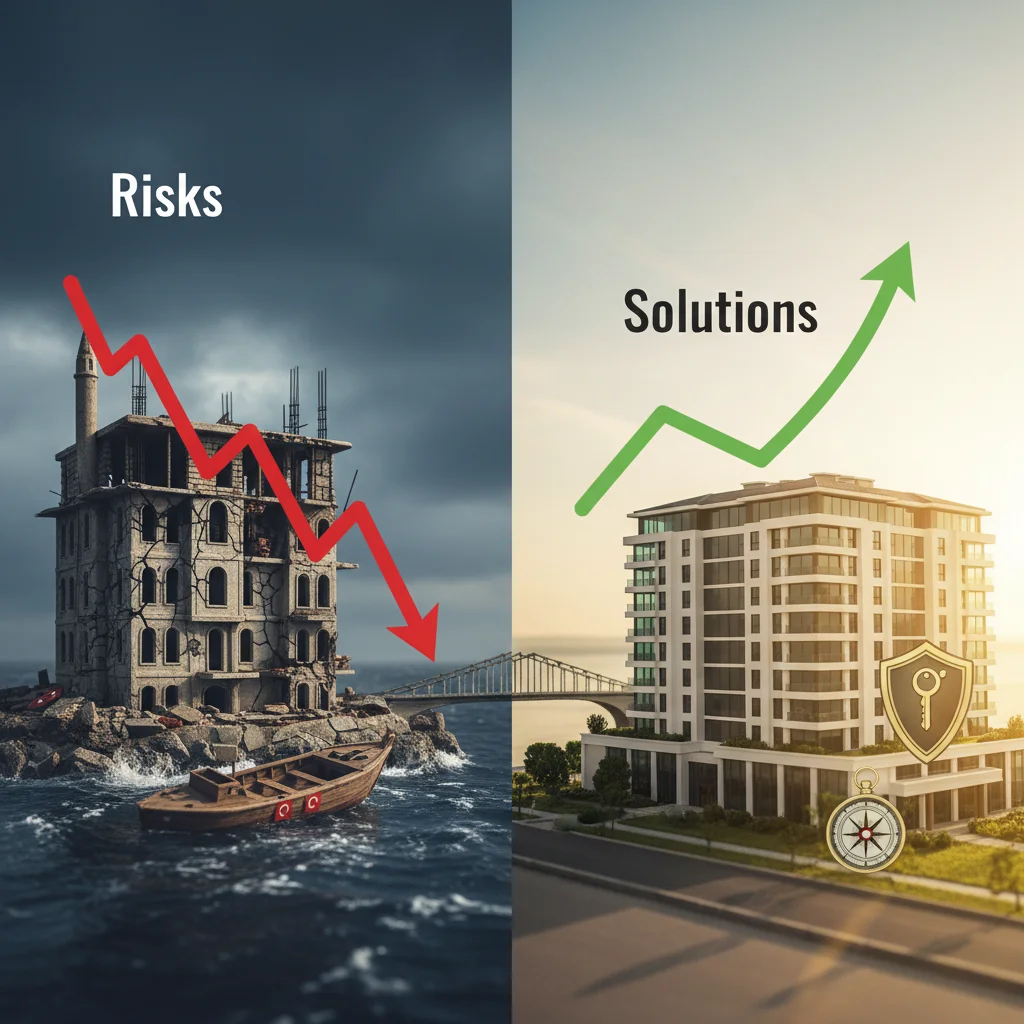
Turkish law establishes specific regulations governing construction and development near archaeological sites. Understanding these regulations is crucial for property investors to ensure compliance and maximize investment potential.
| Benefits | Challenges |
|---|---|
| Premium property values | Strict building regulations |
| Strong tourism demand | Limited development rights |
| Cultural significance | Archaeological survey requirements |
| Government preservation support | Seasonal tourism fluctuations |
Turkey's archaeological sites attract over 50 million visitors annually, generating substantial economic activity that directly benefits local real estate markets. Properties serving the tourism industry, including hotels, restaurants, and vacation rentals, show consistently strong performance in archaeological zones.
Understanding seasonal visitation patterns helps investors optimize their property strategies. Mediterranean coastal sites peak during summer months, while indoor sites like Hagia Sophia maintain more consistent year-round visitation.
The Turkish government has launched several initiatives to promote archaeological tourism and improve infrastructure around major sites. These developments create new investment opportunities while potentially affecting property values in targeted areas.
Several lesser-known archaeological sites are gaining international attention, creating early-stage investment opportunities. Sites like Göbekli Tepe and Zeugma are attracting increased tourism interest, potentially driving future property demand in their regions.
Successful investment in archaeological areas requires understanding different property types and their target markets. Each archaeological region attracts different visitor demographics with varying accommodation preferences and spending patterns.
Investing near archaeological sites requires additional due diligence beyond standard property investment considerations. Factors such as archaeological protection status, development restrictions, and tourism sustainability must be carefully evaluated.
Foreign investors purchasing properties worth $400,000 or more in Turkey become eligible for Turkish citizenship. Properties near archaeological sites often meet this threshold due to their premium values, making them attractive options for investors seeking both returns and citizenship benefits.
Several Turkish banks offer specialized financing products for tourism-related real estate investments. Properties near archaeological sites may qualify for favorable terms due to their stable tourism demand and appreciation potential.
Global trends toward experiential and cultural tourism benefit Turkey's archaeological sites and surrounding real estate markets. Post-pandemic travel patterns show increased interest in outdoor historical sites and authentic cultural experiences.
Digital technologies are enhancing visitor experiences at archaeological sites, potentially extending visit durations and increasing tourism revenue. Properties that can integrate with these technological enhancements may gain competitive advantages.
Turkey's archaeological wealth presents unique opportunities for property investors who understand how to leverage cultural heritage for financial returns. Success requires careful consideration of regulatory frameworks, tourism patterns, and long-term preservation goals. Properties near major archaeological sites consistently outperform regional averages while contributing to cultural preservation and sustainable tourism development.
The key to successful investment lies in balancing respect for archaeological heritage with modern hospitality standards and tourist expectations. As Turkey continues developing its cultural tourism infrastructure, early investors in archaeological areas are positioned to benefit from both immediate rental yields and long-term capital appreciation.
For investors seeking to combine financial returns with cultural significance, Turkey's archaeological regions offer compelling opportunities that align with global trends toward meaningful travel experiences and heritage preservation.
Information sourced from:
Emlak Platform - emlakplatform.com.tr
Mbany Real Estate - mbany.com
Massar Istanbul - massaristanbul.com