.png)
US Dollar - USD
- Turkish Lira - TRY
- US Dollar - USD
- Euro - EUR
- Pound sterling - GBP
- Russian Ruble - RUB
- Chinese Yuan - CNY
- Georgian lari - GEL
- Saudi Riyal - SAR
- UAE Dirham - AED
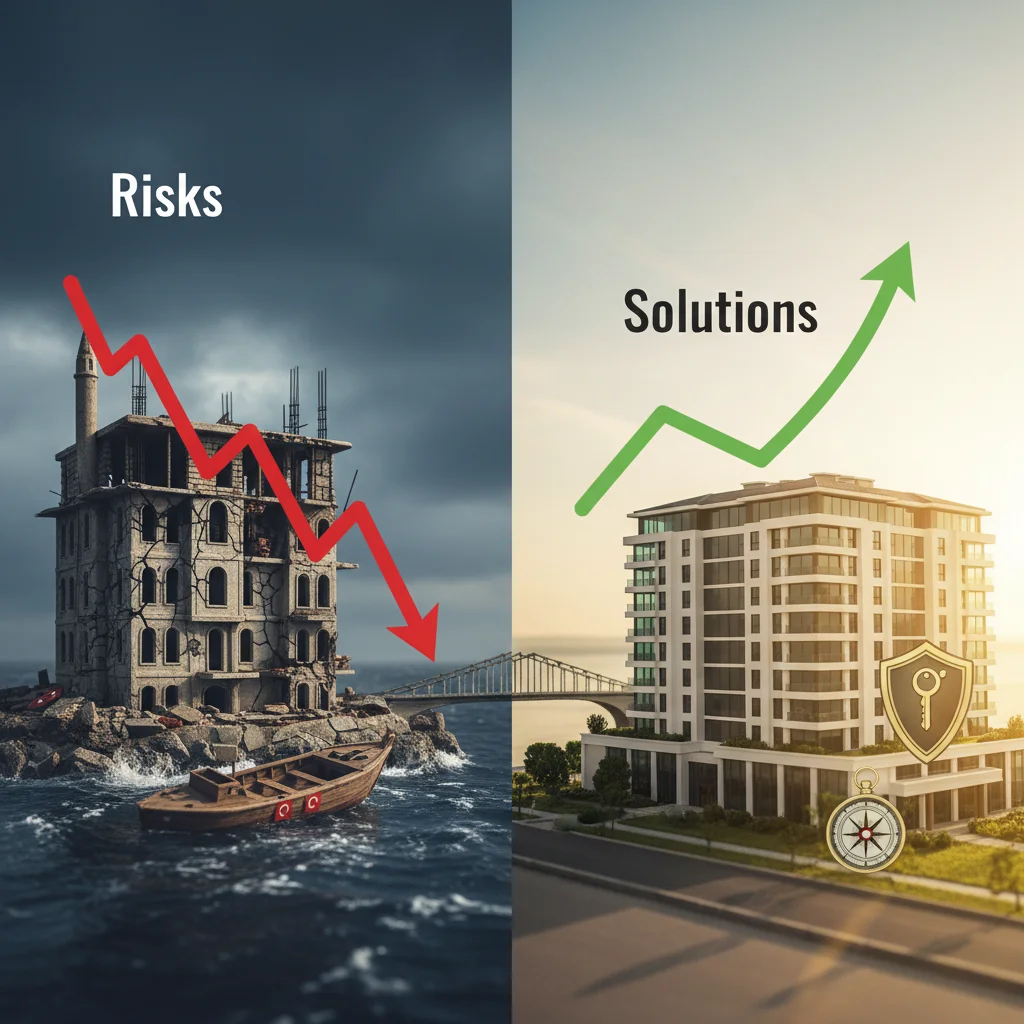
Turkey's real estate market has emerged as one of the most attractive investment destinations globally, offering substantial returns and strategic advantages for international investors. The Turkish property sector has experienced remarkable growth, driven by economic reforms, infrastructure development, and favorable government policies. However, like any investment opportunity, Turkish real estate comes with its share of risks that investors must carefully evaluate and manage.
The Turkish government's citizenship by investment program has further amplified interest in the country's real estate market. Foreign investors can obtain Turkish citizenship by purchasing property worth at least $400,000, making it an attractive proposition for those seeking alternative residency options. This program has significantly boosted foreign investment in Turkish real estate, creating both opportunities and challenges for market participants.
One of the most significant risks facing Turkish real estate investors is currency volatility. The Turkish Lira has experienced considerable fluctuations against major international currencies, particularly the US Dollar and Euro. These fluctuations can dramatically impact investment returns for foreign investors.
Currency devaluation can work both ways for investors. While a weaker Lira makes Turkish properties more affordable for foreign buyers, it can erode the value of investments when converted back to stronger currencies. Investors who purchased properties when the Lira was stronger may face substantial losses if they need to liquidate their investments during periods of currency weakness.
Looking for the best real estate investment opportunity in Istanbul?
We help you choose the right property based on your budget and goals
Get a Free Consultation
Turkish real estate law can be complex, particularly for foreign investors unfamiliar with local regulations. Legal risks encompass various aspects of property ownership, from initial purchase procedures to ongoing compliance requirements.
Foreign ownership restrictions in certain areas, particularly near military zones and border regions, can limit investment options. Additionally, changes in government policies regarding foreign property ownership can impact existing investments and future opportunities.
Turkey's real estate market is susceptible to economic and political fluctuations. Economic instability can lead to reduced demand, falling property values, and increased difficulty in finding tenants or buyers. Political tensions, both domestic and international, can further exacerbate market volatility.
Regional conflicts and geopolitical tensions in the Middle East can impact Turkey's economic stability and, consequently, its real estate market. Investors must consider these broader regional factors when evaluating Turkish property investments.
Turkey's construction sector, while robust, faces several challenges that can impact real estate investments. Construction quality variations, project delays, and developer financial difficulties are common concerns for investors, particularly those purchasing off-plan properties.
Successful Turkish real estate investors employ various strategies to mitigate currency risks. These approaches help protect investments from adverse currency movements while maximizing potential returns.
Investors can also consider timing their investments strategically, taking advantage of favorable exchange rates while maintaining long-term investment perspectives. Dollar-pegged rental agreements and sales contracts can provide additional protection against currency volatility.
Engaging qualified legal professionals familiar with Turkish real estate law is essential for risk mitigation. Proper due diligence, comprehensive legal reviews, and ongoing compliance monitoring can prevent costly legal issues.
Looking for the best real estate investment opportunity in Istanbul?
We help you choose the right property based on your budget and goals
Get a Free Consultation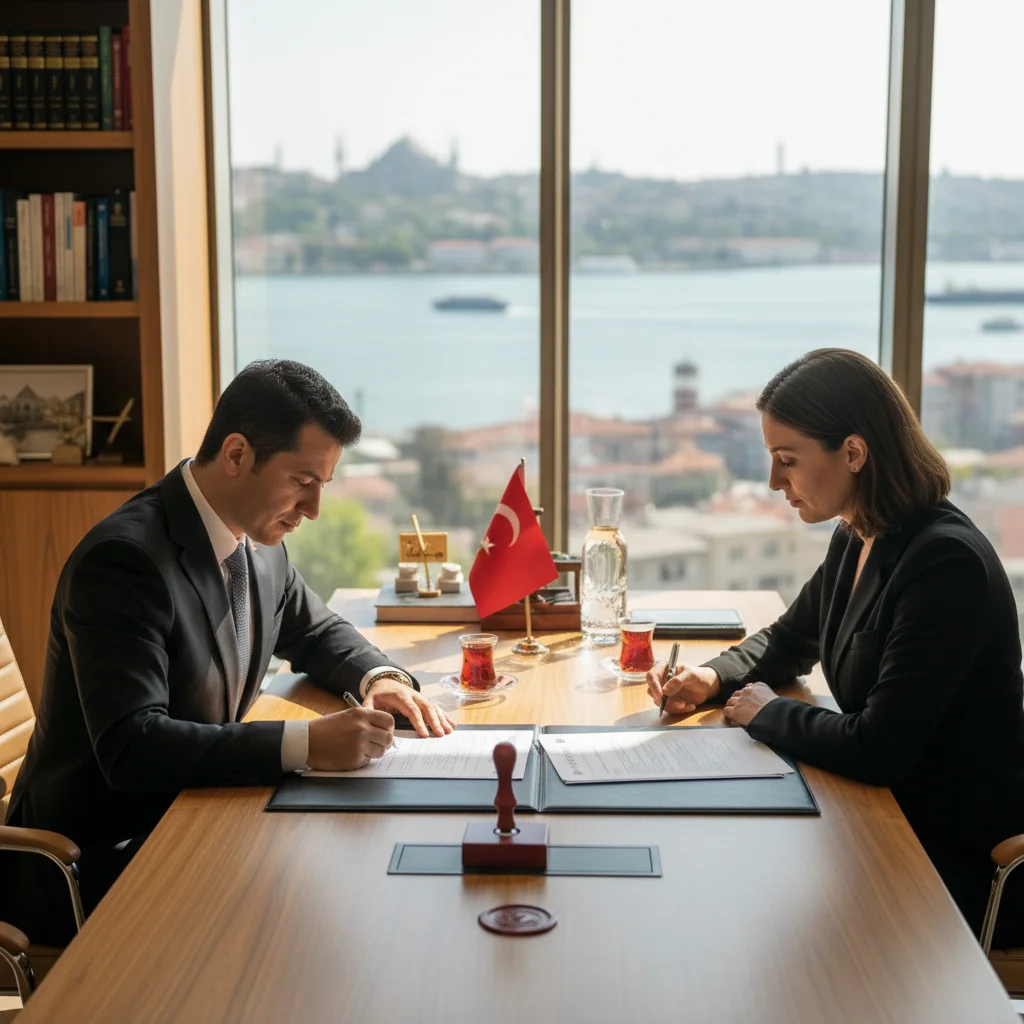
Thorough market research and due diligence are fundamental to successful Turkish real estate investment. Understanding local market dynamics, economic indicators, and regional development plans helps investors make informed decisions.
Careful evaluation of developers and construction projects is crucial for minimizing construction-related risks. Investors should assess developer track records, financial stability, and project feasibility before committing to investments.
Turkey's diverse regions offer different risk-return profiles for real estate investors. Istanbul, Ankara, and coastal areas like Antalya and Bodrum each present unique opportunities and challenges.
Istanbul remains the most liquid and internationally attractive market, but it also faces the highest competition and price volatility. Coastal resort areas offer strong rental yields from tourism but may experience seasonal fluctuations and over-supply risks.
Major infrastructure projects, including new airports, transportation networks, and urban development initiatives, significantly impact regional property values. Investors must stay informed about planned developments and their potential effects on property investments.
Choosing the appropriate investment structure can significantly impact risk exposure and returns. Foreign investors have several options for structuring their Turkish real estate investments, each with distinct advantages and considerations.
Financing options for foreign investors in Turkish real estate have evolved significantly. Local banks now offer mortgage products specifically designed for international buyers, though terms and conditions vary considerably.
Understanding Turkish rental market dynamics is essential for investors planning to generate rental income. Market conditions vary significantly between residential and commercial properties, as well as across different geographic regions.
Tourist rental markets, particularly in coastal areas, offer higher yields but come with increased seasonality and regulatory risks. Long-term residential rentals provide more stability but may offer lower returns.
Professional property management services can significantly reduce operational risks and improve investment returns. Quality management companies handle tenant relations, maintenance, legal compliance, and financial reporting.
Planning exit strategies is crucial for Turkish real estate investments. Market liquidity can vary significantly based on property type, location, and market conditions. Investors should consider potential exit scenarios from the initial investment stage.
Turkish tax regulations for real estate transactions can be complex, particularly for foreign investors. Capital gains taxes, property taxes, and transfer fees all impact investment returns and should be factored into exit planning.
Despite inherent risks, Turkish real estate continues to offer compelling opportunities for informed investors. Government initiatives to attract foreign investment, ongoing infrastructure development, and Turkey's strategic geographic position support long-term market growth potential.
Emerging trends include sustainable development projects, smart city initiatives, and increased focus on energy-efficient buildings. These developments create new investment opportunities while potentially reducing certain traditional risks.
Technological advances in property management, transaction processing, and market analysis are improving investment transparency and reducing operational risks. Digital platforms now provide better access to market data, legal services, and property management tools.
Successful Turkish real estate investment requires a strong network of local professionals, including lawyers, accountants, property managers, and real estate agents. These professionals provide essential local expertise and ongoing support throughout the investment lifecycle.
Regular portfolio review and risk assessment help investors adapt to changing market conditions and regulatory environments. Establishing systematic monitoring processes ensures timely identification and response to emerging risks and opportunities.
Turkish real estate investment offers significant potential returns but requires careful risk management and professional guidance. By understanding the various risks involved and implementing appropriate mitigation strategies, investors can successfully navigate the Turkish property market while maximizing their investment potential. The key to success lies in thorough preparation, ongoing monitoring, and maintaining flexibility to adapt to changing market conditions.