.png)
US Dollar - USD
- Turkish Lira - TRY
- US Dollar - USD
- Euro - EUR
- Pound sterling - GBP
- Russian Ruble - RUB
- Chinese Yuan - CNY
- Georgian lari - GEL
- Saudi Riyal - SAR
- UAE Dirham - AED
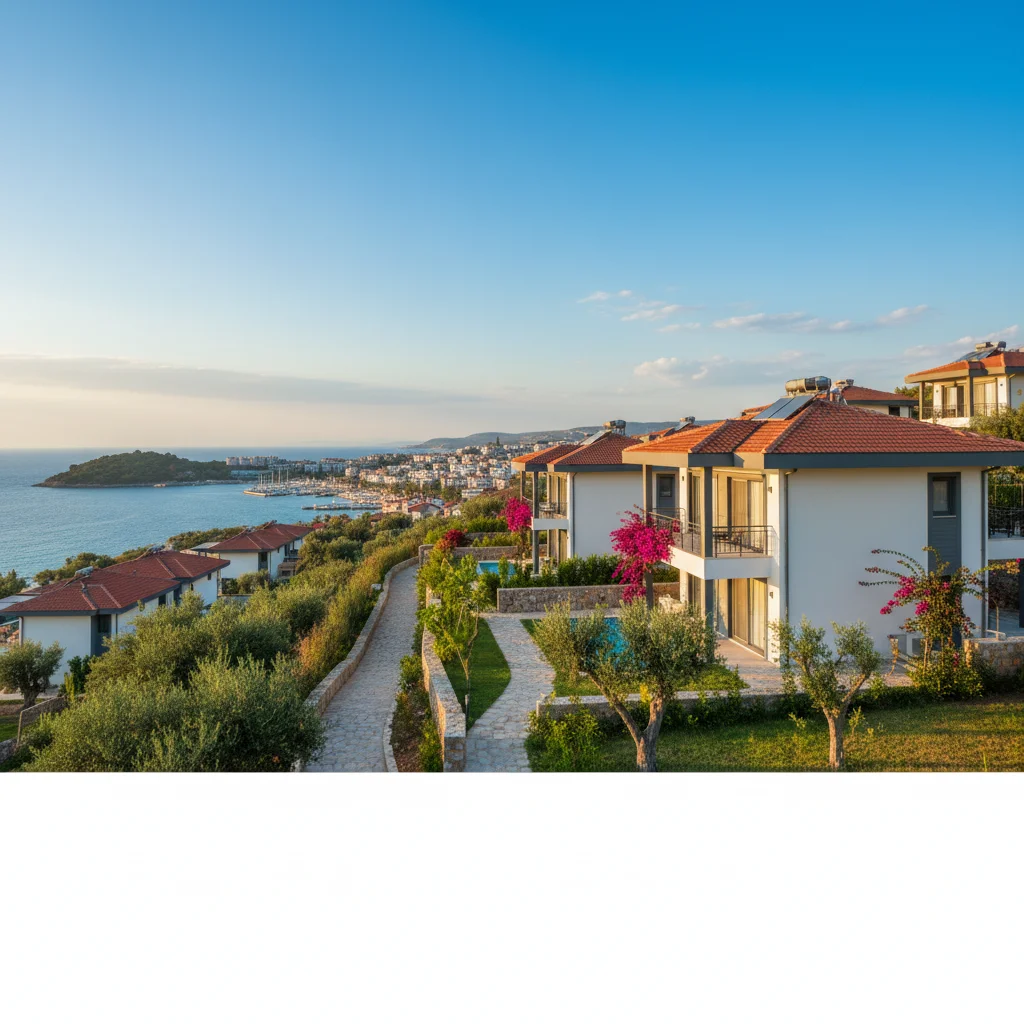
Turkey's coastal real estate market has emerged as one of the most attractive investment destinations globally, offering investors unique opportunities along the Mediterranean and Aegean coastlines. The country's strategic location, favorable investment climate, and citizenship-by-investment program make coastal properties particularly appealing to international buyers seeking both financial returns and lifestyle benefits.
The Turkish government's commitment to foreign investment has created a robust framework supporting property acquisition, with streamlined processes and attractive incentives. Coastal regions including Antalya, Muğla, İzmir, and Mersin have experienced significant infrastructure development, enhancing property values and rental potential.
Antalya stands as Turkey's premier coastal investment destination, attracting over 15 million tourists annually. The region offers diverse property options from luxury beachfront villas to modern apartment complexes, with prices ranging from $80,000 to $2 million depending on location and specifications.
Looking for the best real estate investment opportunity in Istanbul?
We help you choose the right property based on your budget and goals
Get a Free Consultation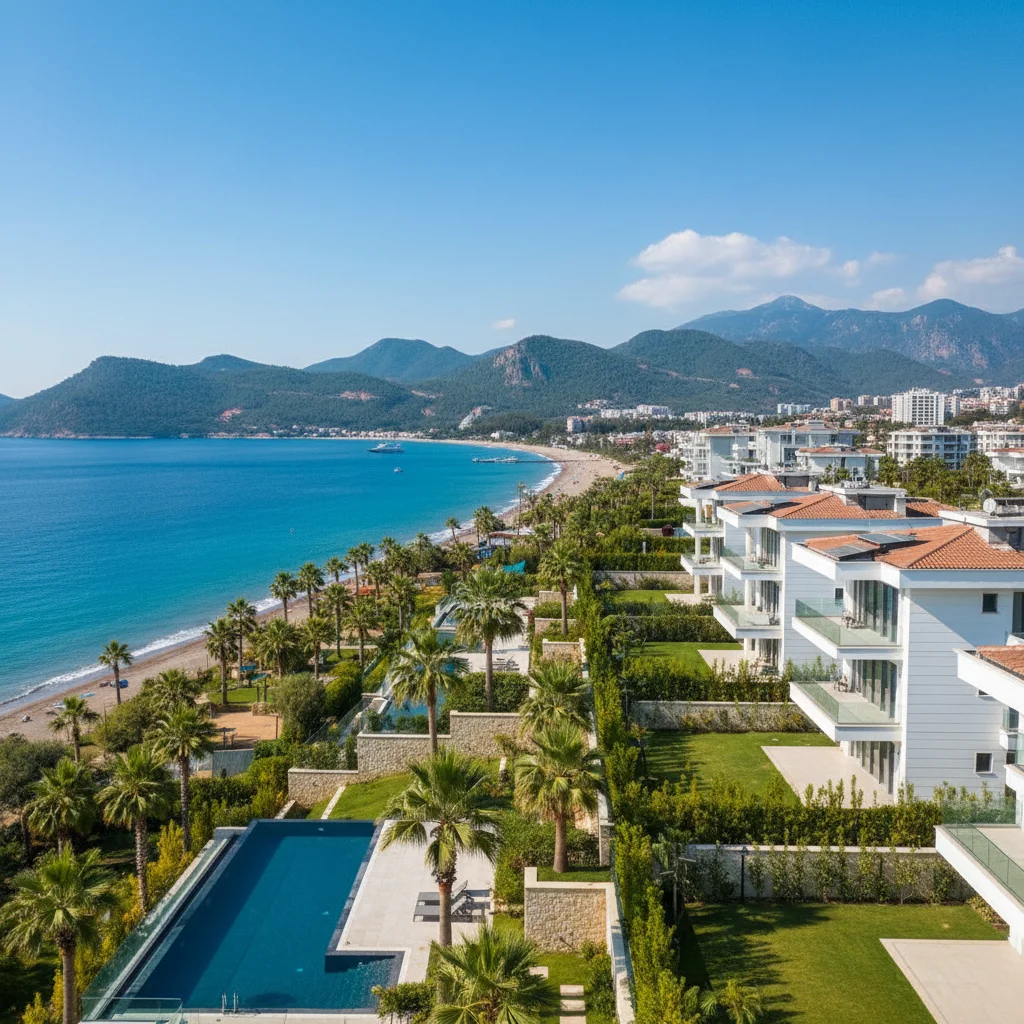
Muğla province encompasses some of Turkey's most prestigious coastal destinations, including Bodrum, Marmaris, and Fethiye. These areas command premium prices but offer exceptional rental yields and capital growth potential, particularly in the luxury segment.
| Location | Average Property Price | Rental Yield | Investment Grade |
|---|---|---|---|
| Bodrum Center | $200,000 - $1,500,000 | 8-12% | Premium |
| Marmaris | $120,000 - $800,000 | 7-10% | High |
| Fethiye | $100,000 - $600,000 | 6-9% | Good |
| Datça | $150,000 - $900,000 | 5-8% | Boutique |
İzmir province, particularly the Çeşme peninsula, has gained significant attention from investors seeking alternatives to traditional resort areas. The region offers excellent connectivity to İzmir's international airport and benefits from both domestic and international tourism.
The buy-to-let strategy remains the most popular approach for coastal property investment in Turkey. Investors can capitalize on the country's robust tourism industry, generating rental income from both short-term holiday lets and long-term residential tenants.
Long-term capital appreciation offers substantial returns in Turkey's developing coastal markets. Investors should focus on emerging destinations with planned infrastructure improvements and growing tourism infrastructure.
Looking for the best real estate investment opportunity in Istanbul?
We help you choose the right property based on your budget and goals
Get a Free Consultation
Turkey permits foreign nationals to purchase property in designated areas, with coastal regions generally open to international investment. The process requires obtaining a military clearance and ensuring the property is not in a restricted zone.
The Turkish citizenship program requires a minimum property investment of $400,000, held for at least three years. Coastal properties often exceed this threshold, making them ideal for investors seeking citizenship benefits alongside investment returns.
Understanding the complete cost structure is essential for accurate investment planning. Turkish property purchases involve several mandatory fees and taxes that investors must factor into their budgets.
| Cost Component | Percentage/Amount | Description |
|---|---|---|
| Title Deed Fee | 4% of property value | Split between buyer and seller (2% each) |
| Legal Fees | 1-2% of property value | Attorney and due diligence costs |
| Translation Costs | $500-1,500 | Document translation and notarization |
| Valuation Report | $300-800 | Required for foreign purchases |
| Insurance | 0.1-0.3% annually | Mandatory earthquake insurance |
Successful coastal property investment requires understanding recurring expenses that impact net returns. These costs vary significantly between property types and locations.
Turkey's tourism sector continues expanding, with government targets of 75 million annual visitors by 2028. This growth directly benefits coastal property investors through increased rental demand and property values.
Recent infrastructure investments, including new airports, highway connections, and marina developments, enhance accessibility to coastal regions. The government's Tourism Strategy 2023-2030 prioritizes sustainable coastal development, supporting long-term investment stability.
The Turkish Lira's fluctuation creates opportunities for foreign currency investors, potentially increasing purchasing power and investment returns when converted back to stronger currencies. However, investors should consider currency hedging strategies for large investments.
Coastal property investment in Turkey, while generally profitable, involves specific risks that investors must understand and mitigate through proper planning and professional guidance.
Thorough due diligence protects investors from common pitfalls and ensures successful property acquisition. Working with experienced local professionals is essential for navigating Turkish real estate regulations.
Effective property management is crucial for maximizing returns from coastal real estate investments, particularly for international investors who cannot personally oversee their properties.
Professional management companies provide comprehensive services including tenant screening, maintenance coordination, marketing, and financial reporting. Quality management can increase rental yields by 15-25% compared to self-managed properties.
Modern coastal property investment success depends heavily on digital marketing and technology integration. Properties marketed across multiple platforms generate 30-50% higher occupancy rates than those with limited online presence.
Coastal real estate investment in Turkey presents exceptional opportunities for investors seeking diversified portfolios, citizenship benefits, and strong returns. The combination of affordable entry points, high rental yields, and capital appreciation potential makes Turkish coastal properties attractive compared to other Mediterranean destinations.
Success requires careful market research, professional guidance, and strategic property selection based on individual investment goals. Investors should focus on established destinations with strong tourism infrastructure while considering emerging markets for higher growth potential.
The Turkish government's continued support for foreign investment, combined with the country's strategic location and growing tourism sector, positions coastal real estate as a compelling long-term investment opportunity. However, proper due diligence, professional management, and risk mitigation strategies remain essential for maximizing returns and protecting capital.
Information sourced from:
Emlak Platform - emlakplatform.com.tr
Mbany Real Estate - mbany.com
Massar Istanbul - massaristanbul.com