.png)
US Dollar - USD
- Turkish Lira - TRY
- US Dollar - USD
- Euro - EUR
- Pound sterling - GBP
- Russian Ruble - RUB
- Chinese Yuan - CNY
- Georgian lari - GEL
- Saudi Riyal - SAR
- UAE Dirham - AED
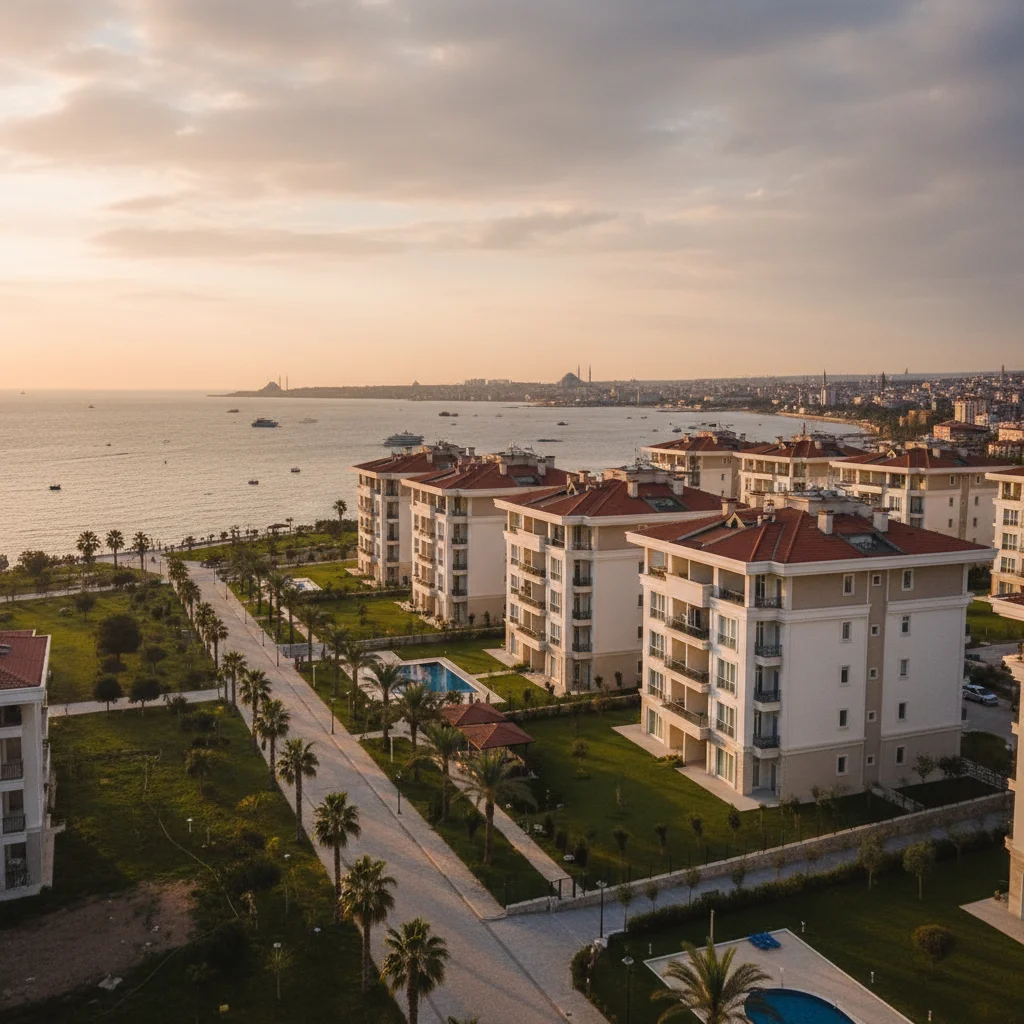
Turkey's real estate market has emerged as one of the most attractive investment destinations globally, offering exceptional opportunities for beginner investors seeking stable returns and potential citizenship benefits. The Turkish property market combines affordability, high rental yields, and strategic location advantages that make apartment investments particularly appealing to newcomers.
The Turkish government's investor-friendly policies, including the citizenship by investment program requiring a minimum $400,000 property purchase, have significantly boosted international interest. For beginners, understanding market fundamentals is crucial before making investment decisions.
Turkey's construction sector contributes approximately 8-10% to the national GDP, indicating robust market stability. The country's strategic position between Europe and Asia creates sustained demand for residential properties, particularly in major cities like Istanbul, Ankara, and Izmir.
Recent market data shows consistent price appreciation in key locations, with annual growth rates ranging from 15-25% in prime areas. This growth trajectory makes apartment investments attractive for beginners seeking capital appreciation alongside rental income.
Istanbul remains the top choice for beginner investors, offering diverse neighborhood options with varying price points. The city's massive infrastructure projects, including the new airport and canal project, continue driving property values upward.
Looking for the best real estate investment opportunity in Istanbul?
We help you choose the right property based on your budget and goals
Get a Free Consultation
As Turkey's capital, Ankara offers stability and consistent rental demand from government employees and university students. Property prices remain more affordable than Istanbul while providing steady returns.
Antalya's tourism sector creates excellent short-term rental opportunities. Coastal apartments generate higher seasonal returns, making them ideal for beginners comfortable with vacation rental management.
These compact units typically range from 50-70 square meters and represent the most affordable entry point for beginners. They're particularly popular among young professionals and students, ensuring consistent rental demand.
| City | Average Price Range | Expected Rental Yield |
|---|---|---|
| Istanbul | $80,000 - $150,000 | 6-8% |
| Ankara | $60,000 - $120,000 | 7-9% |
| Antalya | $70,000 - $140,000 | 8-12% |
These family-oriented units offer broader rental market appeal and typically provide more stable long-term tenancies. They're ideal for beginners seeking balanced risk and return profiles.
Beginners should carefully consider the advantages of each option:
Beyond the property purchase price, beginners must budget for additional costs that typically add 8-12% to the total investment:
Turkish banks offer mortgage facilities to foreign investors, though terms vary significantly. Typical mortgage conditions include:
The Turkish Lira's volatility presents both opportunities and risks for foreign investors. Many developers now accept payments in USD or EUR, providing currency stability for international buyers.
Foreign nationals enjoy full ownership rights in Turkey, with some geographical restrictions in border areas and military zones. The reciprocity principle applies, meaning citizens from countries allowing Turkish property ownership receive similar rights.
Property owners can obtain renewable residence permits, providing legal basis for extended stays in Turkey. This benefit makes apartment investment attractive for those seeking lifestyle changes or business opportunities.
Looking for the best real estate investment opportunity in Istanbul?
We help you choose the right property based on your budget and goals
Get a Free Consultation
Investors purchasing properties worth $400,000 or more become eligible for Turkish citizenship, provided they maintain ownership for three years. This program offers significant value for families seeking EU proximity and visa-free travel benefits.
Beginners must decide between hands-on management and professional property management services. Each approach offers distinct advantages depending on investor circumstances and experience levels.
Successful rental management requires understanding local market dynamics and tenant preferences. Key strategies include:
Turkish property taxes remain relatively low compared to European standards:
Beginners can minimize tax burdens through proper planning:
Many beginners focus solely on purchase price, overlooking crucial location factors that determine long-term success. Avoid properties in areas with:
Inadequate financial preparation leads to investment difficulties. Common mistakes include:
Proper legal compliance protects investments and prevents future complications:
Turkey's ongoing infrastructure investments continue creating new investment opportunities. Major projects influencing property values include:
Turkey's young population and urbanization trends support continued residential demand. Key demographic factors include:
Apartment investment in Turkey offers excellent opportunities for beginners willing to conduct thorough research and follow systematic approaches. The combination of affordable entry points, strong rental yields, and potential citizenship benefits makes Turkish real estate particularly attractive for new investors.
Success requires understanding local market dynamics, proper financial planning, and compliance with legal requirements. Beginners who invest time in education and work with qualified professionals can build profitable property portfolios while enjoying the lifestyle benefits of Turkish property ownership.
The key to successful apartment investment lies in starting with realistic expectations, choosing appropriate properties for experience levels, and gradually expanding knowledge and portfolio size. Turkey's continued economic growth and strategic importance ensure sustained demand for quality residential properties.
This information was sourced from: Emlak Platform, Mbany Real Estate, and Massar Istanbul.