.png)
US Dollar - USD
- Turkish Lira - TRY
- US Dollar - USD
- Euro - EUR
- Pound sterling - GBP
- Russian Ruble - RUB
- Chinese Yuan - CNY
- Georgian lari - GEL
- Saudi Riyal - SAR
- UAE Dirham - AED
Turkey's real estate market continues to attract global investors seeking substantial returns in 2026. With strategic geographic positioning, robust economic growth, and government incentives, Turkish property investments offer compelling opportunities for both short-term gains and long-term wealth building.
The Turkish real estate sector demonstrates remarkable resilience and growth potential in 2026. Key factors driving investment returns include urban development projects, infrastructure improvements, and increasing foreign investment flows.
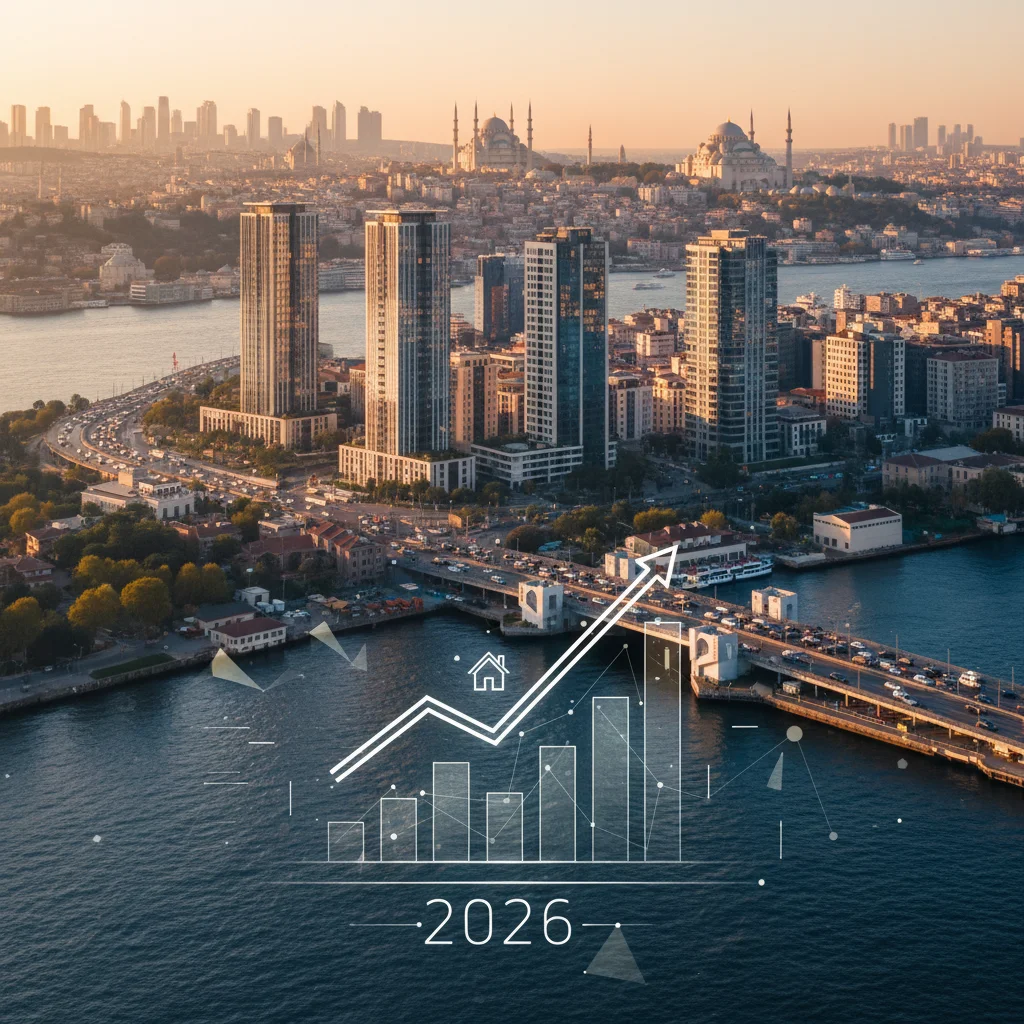
Property value increases represent the primary source of returns for Turkish real estate investors. Prime locations in Istanbul, Ankara, and coastal cities show consistent appreciation trends.
| City | 3-Year Appreciation | 5-Year Projection |
|---|---|---|
| Istanbul | 45% | 75% |
| Ankara | 38% | 65% |
| Antalya | 42% | 70% |
| Izmir | 35% | 60% |
Looking for the best real estate investment opportunity in Istanbul?
We help you choose the right property based on your budget and goals
Get a Free Consultation
Rental yields in Turkey's major cities provide steady cash flow for investors. Tourist destinations and business centers offer the highest rental return potential.
As Turkey's economic hub, Istanbul offers diverse investment opportunities with varying return profiles across different districts.
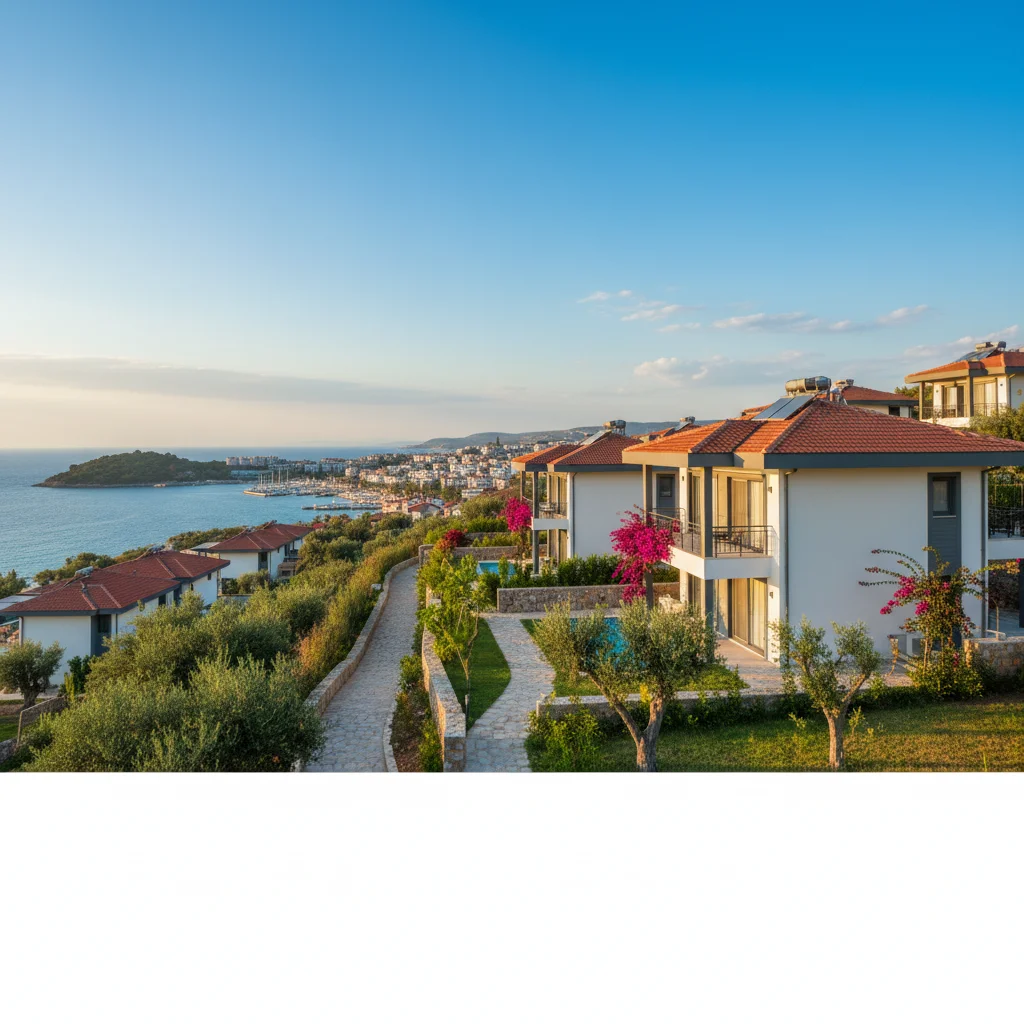
Mediterranean and Aegean coastal properties attract international buyers seeking vacation homes and rental income from tourism.
Purchasing properties specifically for rental income provides consistent monthly cash flow while building long-term equity.
Short-term property flipping in rapidly developing areas can yield substantial returns within 12-24 months.
Turkey's economic performance directly impacts real estate returns through currency stability, interest rates, and inflation control.
Turkish citizenship by investment programs and tax incentives continue attracting foreign capital, supporting property values.

Understanding potential risks helps investors make informed decisions and protect their investment returns.
Understanding Turkish tax obligations helps maximize net investment returns through proper planning and compliance.
Long-term projections indicate continued growth in Turkish real estate, driven by infrastructure development and demographic trends.
Turkish real estate investment returns in 2026 present attractive opportunities for informed investors. With proper research, strategic location selection, and risk management, investors can achieve substantial returns while building long-term wealth in Turkey's dynamic property market.
This information was sourced from Emlak Platform and Mbany Real Estate.