US Dollar - USD
- Turkish Lira - TRY
- US Dollar - USD
- Euro - EUR
- Pound sterling - GBP
- Russian Ruble - RUB
- Chinese Yuan - CNY
- Georgian lari - GEL
- Saudi Riyal - SAR
- UAE Dirham - AED
- Syrian Pound - SYP
Turkey’s unique transcontinental position grants it over 8,300 kilometers of coastline spanning four distinct maritime basins: the Mediterranean Sea, the Aegean Sea, the Sea of Marmara, and the Black Sea. For international real estate investors, high-net-worth individuals, and lifestyle buyers, these coastal zones represent far more than scenic vacation destinations. They are robust wealth-preservation engines, high-yield holiday rental hubs, and strategic vehicles for obtaining Turkish Citizenship by Investment or long-term residence permits.
Entering 2026, the Turkish coastal real estate market has reached a state of mature stability. Stricter construction regulations along coastal borders, updated zoning laws to protect environmental reserves, and modernized building codes have constrained supply in frontline locations. Concurrently, global demand for Mediterranean and Aegean waterfront assets remains fierce. Capital appreciation rates for direct sea-facing residences consistently outpace inland developments, while coastal short-term rental yields generate reliable foreign currency returns.
Whether navigating the ultra-luxury yachting enclaves of Bodrum, the cosmopolitan shoreline districts of Istanbul, or the sun-drenched year-round communities of Antalya, foreign buyers must balance lifestyle aspirations with rigorous regulatory compliance. Understanding the distinct micro-markets across Turkey's coastlines is the first step toward building a resilient property portfolio.
Turkey’s coastal geography is not homogenous. Each coast delivers a distinct climate, buyer demographic, rental yield profile, and capital entry point.
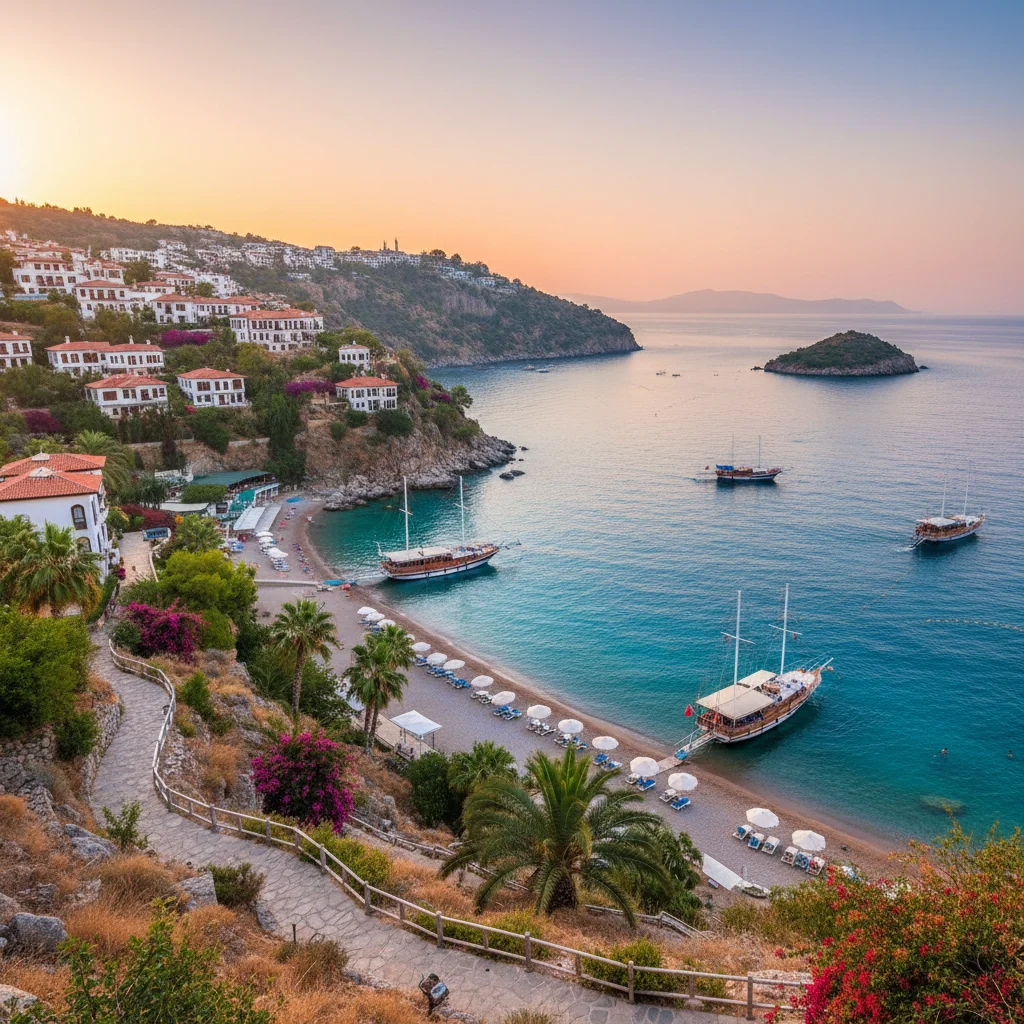
Encompassing hubs like Antalya, Alanya, Kalkan, and Fethiye, this region boasts over 300 days of sunshine annually. It has the longest tourism season in Turkey, extending from early April through November. As a result, the Mediterranean coast dominates the holiday let and buy-to-let sectors, drawing heavy interest from European, British, Central Asian, and Middle Eastern investors.
Stretching from Izmir down through Çeşme, Kuşadası, and the Bodrum Peninsula, the Aegean presents microclimates characterized by lower humidity and cooler summer breezes. Bodrum and Çeşme command the highest price-per-square-meter figures outside central Istanbul, catering to ultra-high-net-worth individuals seeking branded residences, private jetty access, and elite super-yacht marina facilities.
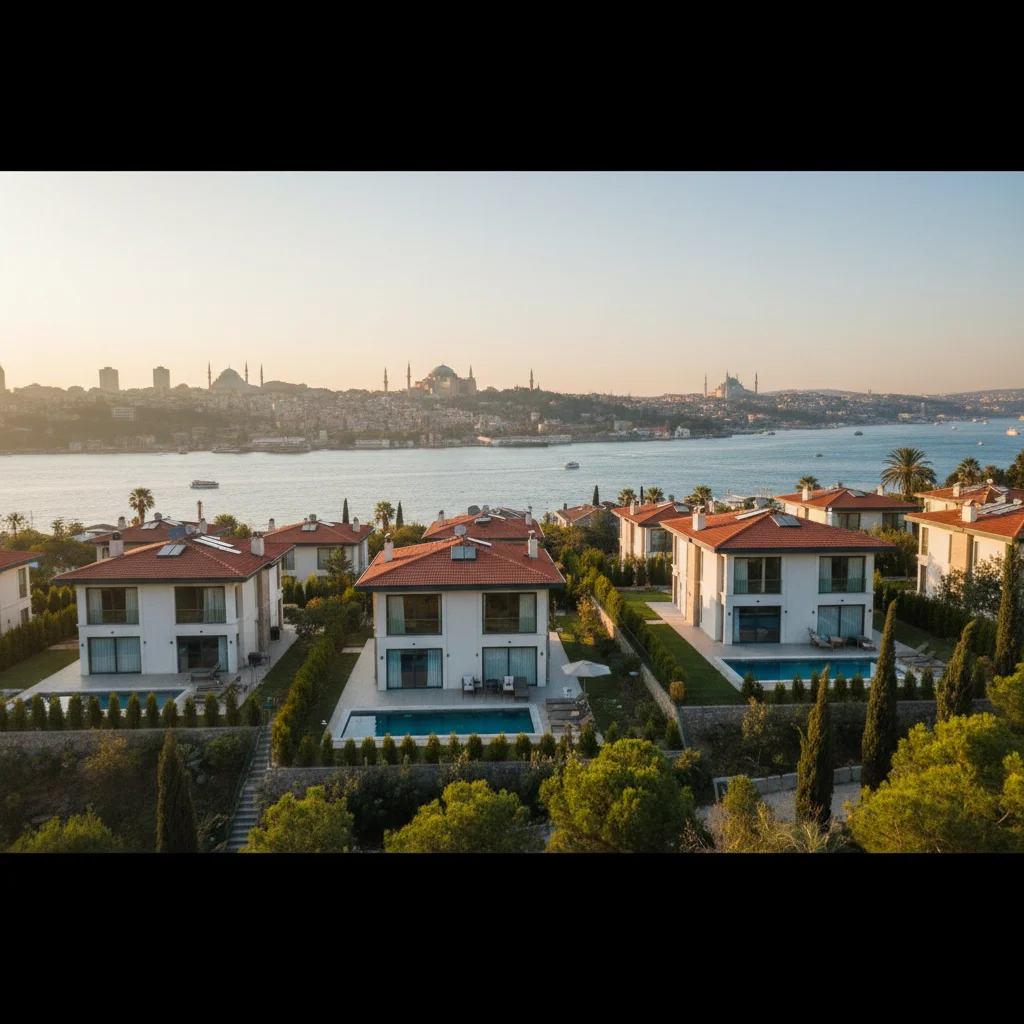
Dominated by Istanbul, alongside emerging satellite shorelines in Yalova and Mudanya (Bursa), this zone merges urban commercial dominance with historical waterfront prestige. From iconic Ottoman-era yalı mansions on the Bosphorus Strait to modern mixed-use marina complexes along the European and Asian Marmara shores, this market is driven by global commerce, international trade, and long-term domestic capital.
Covering Trabzon, Rize, and Samsun, the Black Sea coast contrasts sharply with the south. It features temperate rainforest climates, dramatic mountain backdrops, and cooler temperatures. This market attracts regional and Middle Eastern buyers who value expansive nature, panoramic mountain-and-sea vistas, privacy, and larger family villas at highly competitive entry prices.
Antalya is Turkey’s tourism capital and an established international expatriate center. Its mature infrastructure, including an award-winning international airport operating year-round flights, supports an uninterrupted rental economy.
Looking for the best real estate investment opportunity in Istanbul?
We help you choose the right property based on your budget and goals
Get a Free Consultation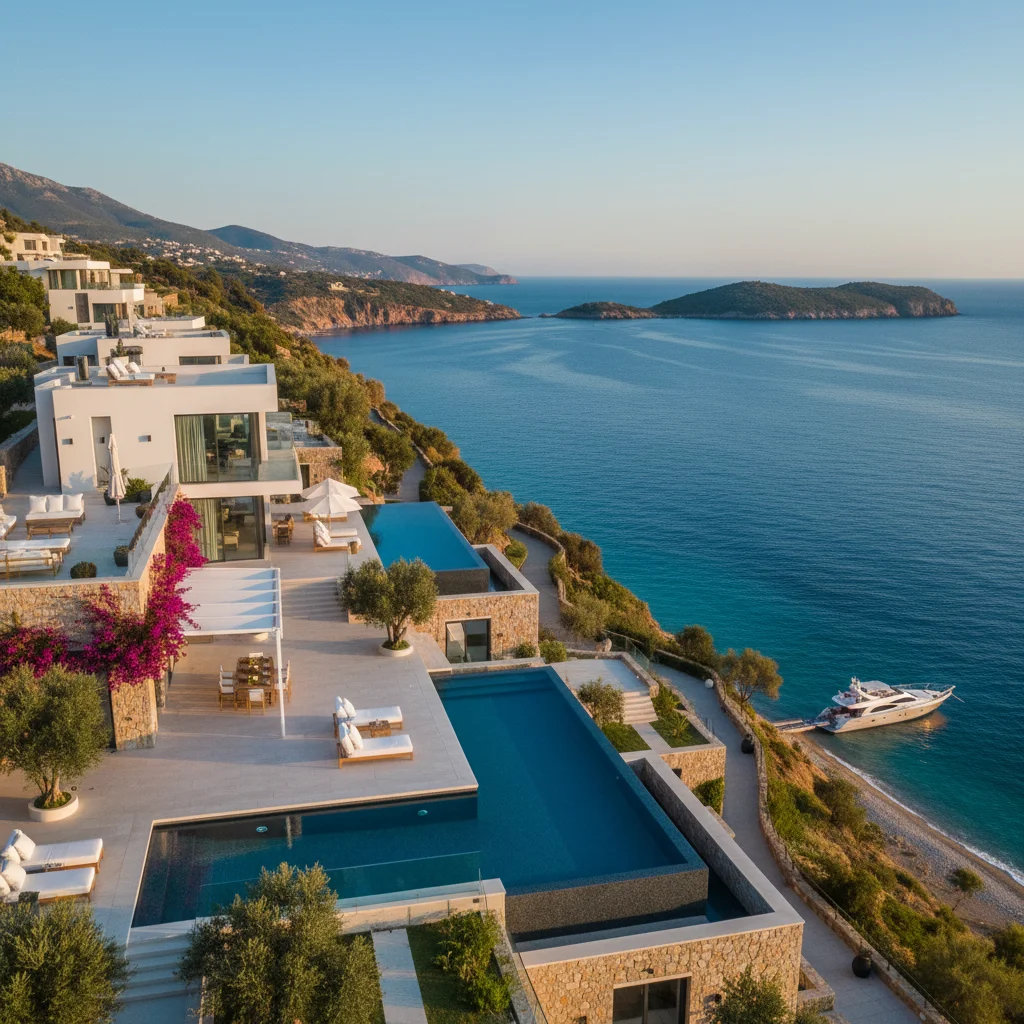
Bodrum is an internationally recognized luxury brand. Institutional developers and global hotel chains have anchored flagship branded residences across the peninsula, turning it into the Saint-Tropez of the Eastern Mediterranean.
İzmir, Turkey's third-largest city, offers an authentic urban coastal environment. Further west along the peninsula, Çeşme and Urla attract elite domestic capital from Istanbul's financial class alongside an expanding circle of international buyers.
While historically centered on the Bosphorus, modern high-density coastal living in Istanbul has expanded across master-planned waterfront communities on both sides of the city.
To evaluate where capital produces the most efficient returns, the table below highlights key performance metrics for prime coastal areas.
| Coastal Region | Avg. Entry Price (€/m²) | Gross Rental Yield | Primary Season Length | Dominant Buyer Demographics | Appreciation Profile |
|---|---|---|---|---|---|
| Bodrum (Yalıkavak/Türkbükü) | €4,500 – €10,000+ | 5.5% – 7.0% | 5 Months (May–Sep) | UK, Gulf States, USA, Western Europe | Very High (Capital Preservation) |
| Antalya (Lara/Konyaaltı) | €2,000 – €3,800 | 6.5% – 8.5% | 8 Months (Apr–Nov) | Germany, Scandinavia, CIS, Eastern Europe | High (Growth & Steady Cashflow) |
| Alanya (Outskirts & Center) | €1,400 – €2,500 | 7.0% – 9.0% | 8 Months (Apr–Nov) | Northern Europe, CIS, Poland, Domestic | Moderate to High |
| Kalkan / Kaş | €3,000 – €5,500 | 8.0% – 11.0% | 6 Months (May–Oct) | UK, Domestic HNWIs, North America | High (Exclusive Luxury Villa Lets) |
| Istanbul (Marmara Shoreline) | €2,800 – €7,000 | 4.5% – 6.0% | 12 Months (Year-Round) | Middle East, Asia, Europe, Domestic | High (Urban Commercial Liquidity) |
| Trabzon (Yalıncak/Akçaabat) | €850 – €1,600 | 5.0% – 6.5% | 4 Months (Jun–Sep) | GCC Countries, Middle East, Regional | Steady / Value-Focused |
Buying coastal property in Turkey requires navigating specific property rights, legal due diligence parameters, and residency regulations.
Seafront real estate remains a premier vehicle for the Turkish Citizenship by Investment program. Under statutory guidelines, foreign nationals who acquire real estate with a minimum verified value of $400,000 USD (or equivalent foreign currency converted via the Central Bank's Döviz Alım Belgesi / DAB system) qualify for citizenship alongside their spouse and children under 18.
Turkey’s regulatory framework for short-term and holiday rentals enforces structured consumer and municipal protections. Investors planning to operate properties on platforms like Airbnb or Vrbo must understand key compliance mandates:
Looking for the best real estate investment opportunity in Istanbul?
We help you choose the right property based on your budget and goals
Get a Free Consultation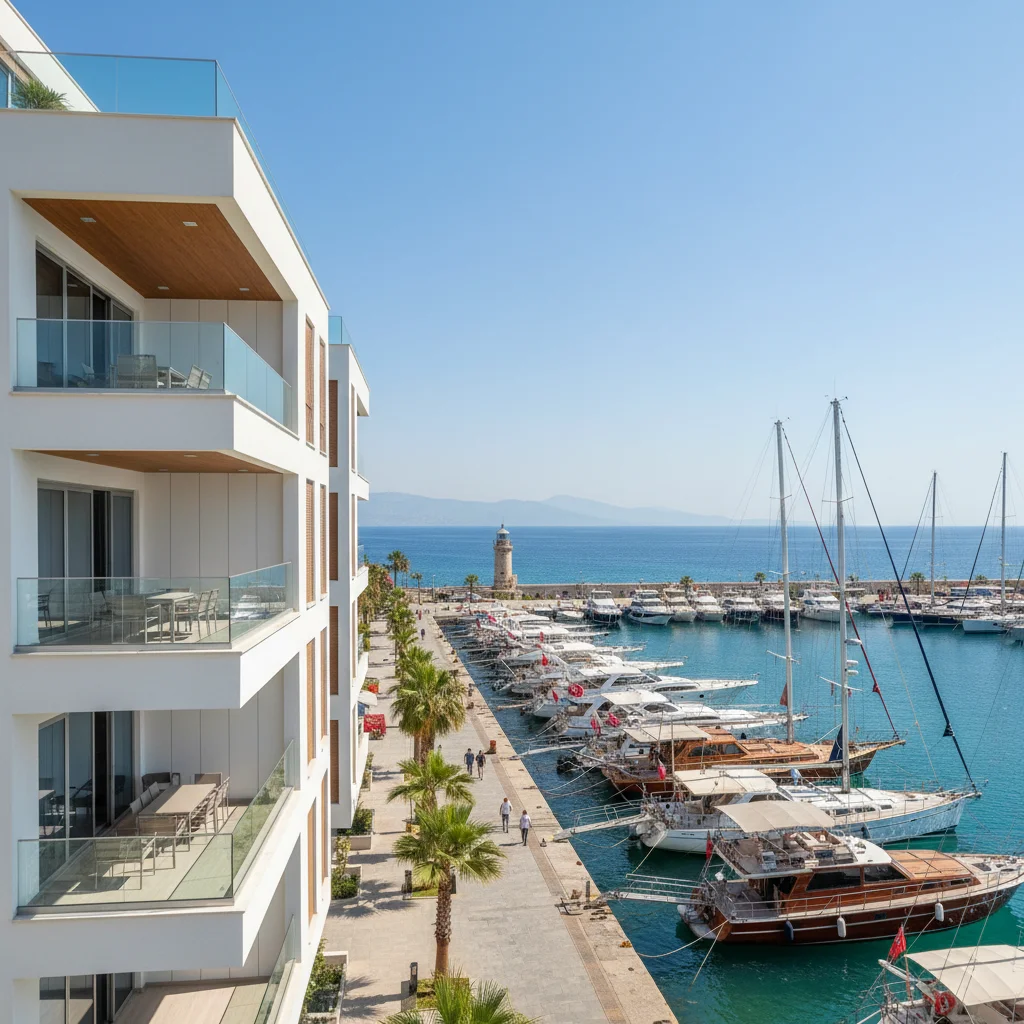
Turkey’s national Coastal Law (Law No. 3621) dictates that coastlines are open to the public benefit. Investors must carry out comprehensive due diligence regarding shoreline zoning:
A coastal asset's net performance depends on the quality of its ongoing property management. Marine environments present distinct operational challenges that inland properties avoid.
High salt-air exposure, persistent humidity, and intense summer UV indexes accelerate building wear. A disciplined property management strategy must account for:
Experienced coastal managers implement hybrid tenancy models to maintain cash flow throughout the calendar year:
Executing a successful coastal property purchase requires a methodical, legally verified process to ensure full capital safety.
Independent legal counsel should examine the property's Title Deed (Tapu) at the relevant Land Registry Office (Tapu ve Kadastro Müdürlüğü). Counsel must confirm that the property is free of liens (ipotek), judicial freezes, historical tax liabilities, or stop-work construction orders.
Never rely solely on visual condition. The property must possess an İskan (Building Habitation Certificate). In coastal areas, developers occasionally complete construction without securing final municipal habitation sign-offs, leaving owners vulnerable to utility overcharges and licensing barriers.
Under Central Bank mandates, foreign buyers must route foreign currency through an authorized Turkish bank, exchanging it into Turkish Lira to generate a Foreign Exchange Purchase Certificate (Döviz Alım Belgesi or DAB). This document is legally required before the Land Registry can execute a title transfer to a foreign buyer.
Both parties convene at the local Land Registry office, supported by a sworn, licensed translator. Once municipal taxes (4% title deed transfer fee) and administrative dues are settled, the absolute title is executed and handed to the investor.
Several major infrastructure and economic shifts are reshaping Turkey’s coastal real estate landscape:
Investing in Turkey's coastal real estate demands a balanced approach that pairs lifestyle ambitions with empirical financial metrics and strict legal compliance. By selecting established micro-locations, verifying coastal zoning clearances, and utilizing institutional property management frameworks, international buyers can secure stable, appreciating seafront assets that consistently generate foreign currency returns.
Information and market analysis sourced with reference to insights from Emlak Platform, Mbany Real Estate, and Massar Istanbul.