.png)
US Dollar - USD
- Turkish Lira - TRY
- US Dollar - USD
- Euro - EUR
- Pound sterling - GBP
- Russian Ruble - RUB
- Chinese Yuan - CNY
- Georgian lari - GEL
- Saudi Riyal - SAR
- UAE Dirham - AED
The global real estate landscape in 2026 presents unprecedented opportunities for investors seeking both capital appreciation and premium living experiences. Strategic location selection remains the cornerstone of successful property investment, combining economic stability, growth potential, and lifestyle benefits.
Turkey continues to dominate international real estate markets, offering exceptional value propositions for investors worldwide. The country's strategic position between Europe and Asia creates unique advantages for property investors.

The Turkish Riviera offers compelling investment opportunities with its year-round tourism appeal and growing expatriate community. Property prices remain attractive compared to other Mediterranean destinations, while rental income potential stays consistently high.
The UAE maintains its position as a premier investment destination, particularly for high-net-worth individuals seeking tax optimization and luxury living standards.
| District | Average ROI | Price Range (USD) |
|---|---|---|
| Downtown Dubai | 7-9% | $500K-$2M |
| Dubai Marina | 6-8% | $300K-$1.5M |
| Business Bay | 8-10% | $250K-$1M |
Portugal's residency by investment program continues attracting international investors, despite recent modifications. The country offers stable political environment, excellent healthcare systems, and growing tech sector presence.
Greek real estate markets show strong recovery signals, with Athens and island properties experiencing significant appreciation. The Golden Visa program requires minimum €250,000 investment, providing EU residency benefits.
Singapore remains Asia's premier financial hub, offering political stability, world-class infrastructure, and strong property rights protection. Foreign investment regulations require careful navigation but offer substantial long-term benefits.
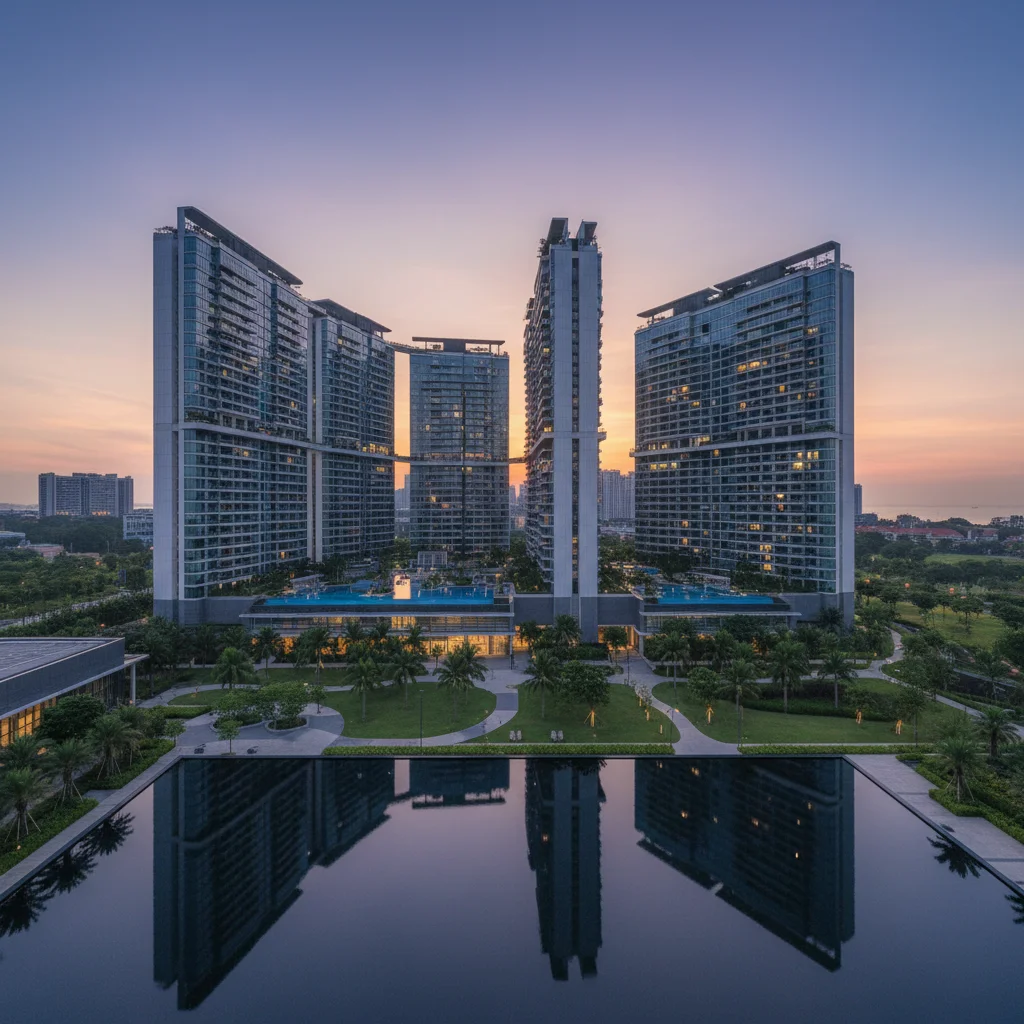
Thailand's property market offers diverse opportunities from Bangkok condominiums to Phuket resort properties. The Elite Visa program provides long-term residency options for property investors.
Successful real estate investment requires comprehensive risk evaluation, including currency fluctuation exposure, political stability assessment, and market liquidity considerations. Diversification across multiple markets helps mitigate concentration risks.
Many countries offer residency or citizenship through real estate investment, creating dual benefits for investors. These programs typically require minimum investment thresholds and compliance with specific regulations.
The 2026 real estate landscape reflects increasing globalization of property markets, with technology-driven platforms facilitating international transactions. Sustainable development trends and smart city initiatives influence investment decisions significantly.
Climate change considerations increasingly impact property valuations, with coastal and environmentally resilient locations commanding premium pricing. Investors must factor long-term environmental risks into their investment strategies.
Information sourced from Emlak Platform - emlakplatform.com.tr and Mbany Real Estate - mbany.com